






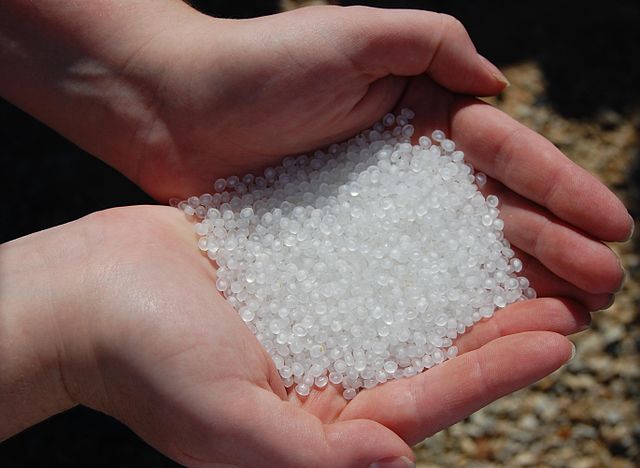
- A recent study has found that micro- and nanoplastics (MNPs) accumulate in human brain tissue—and in post-mortem samples from 2024, brain MNP levels were substantially higher than in liver or kidney tissue.
- The concentration of microplastics in brain samples appears to be rising: the 2024 samples had roughly 50% more plastic than comparable samples from 2016.
- Brains from individuals diagnosed with dementia exhibited much higher microplastic levels—roughly 3-5 (or in some reports up to 10) times more than those without dementia.
- The microplastics detected were often nanoscale shards (primarily made of polyethylene), and some were found in cerebrovascular walls and immune cells—which suggests these tiny particles might cross the blood-brain barrier and persist in neural tissue.
- While the findings raise serious concern, the researchers emphasize that the study shows correlation — not causation: it remains unproven whether microplastic accumulation causes neurodegenerative diseases like Alzheimer's disease or Parkinson's disease (or, alternatively, whether disease processes might lead to greater accumulation).
A groundbreaking study published in Molecular and Cellular Biochemistry has uncovered a chilling reality: microplastics—tiny plastic fragments infiltrating our food, water and air—are now accumulating in human brain tissue, with alarming links to neurodegenerative diseases like Alzheimer's and Parkinson's.
Researchers analyzed brain samples from deceased adults and found higher concentrations of microplastics, particularly polyethylene, in those with dementia. These particles, small enough to bypass the blood-brain barrier, embed themselves in cerebral tissues, including vascular walls and immune cells, directly contributing to neurodegeneration by promoting beta-amyloid plaque formation—a hallmark of Alzheimer's.
With over 57 million people worldwide already suffering from dementia—and cases projected to skyrocket—this discovery raises urgent public health concerns. Associate Professor Kamal Dua, a pharmaceutical scientist at the University of Technology Sydney (UTS), warns that adults ingest an estimated 250 grams of microplastics annually—enough to cover an entire dinner plate.
Sources range from contaminated seafood (especially tuna and coastal fish) to ultra-processed foods, plastic-packaged supplements, tea bags, synthetic clothing fibers and even household dust. Common plastics like polyethylene, polypropylene and polystyrene are pervasive and while the body eliminates some, studies confirm dangerous accumulation in organs, including the brain.
Five pathways to brain destruction
The systematic review penned by UTS and Auburn University researchers, identifies five key mechanisms by which microplastics wreak havoc on the brain:
- Immune system activation – Microplastics trigger brain immune cells (microglia) to attack them as foreign invaders, unleashing chronic inflammation that damages neurons.
- Oxidative stress surge – Plastics generate unstable reactive oxygen molecules that overwhelm the body's antioxidant defenses, accelerating cellular damage.
- Blood-brain barrier breakdown – Microplastics weaken this critical defense, making it "leaky" and allowing toxins and inflammatory molecules to flood brain tissue.
- Mitochondrial sabotage – They disrupt energy production in mitochondria, starving neurons of ATP—the fuel needed for survival—leading to cell death.
- Direct neuron damage – Plastic particles physically interfere with neural signaling, impairing cognition and memory.
"These pathways don't act in isolation—they amplify each other, creating a vicious cycle of brain damage," said Dua.
The study highlights disturbing connections between microplastics and neurodegenerative diseases:
- Alzheimer's: Microplastics accelerate beta-amyloid and tau protein buildup, the toxic clumps that strangle brain cells.
- Parkinson's: They promote ?-Synuclein aggregation and destroy dopamine-producing neurons, worsening motor and cognitive decline.
Alexander Chi Wang Siu, the study's lead author, is now collaborating with Auburn University researchers to investigate microplastics' cellular impact further. Meanwhile, UTS scientists are also examining how inhaled microplastics lodge in lungs, suggesting another route of systemic harm.
How to fight back
While definitive proof linking microplastics to dementia requires more research, the evidence is damning enough to demand immediate action. Dr. Keshav Raj Paudel, a UTS visiting scholar, urges practical steps to reduce exposure:
- Ditch plastic containers—use glass or stainless steel.
- Avoid plastic cutting boards—opt for wood or bamboo.
- Skip synthetic fabrics—wear natural fibers like cotton and wool.
- Eat fresh, unpackaged foods—reduce reliance on processed goods.
- Filter tap water—many microplastics originate from water pipes and bottles.
The researchers call for stricter environmental policies to curb plastic production, improve waste management and hold corporations accountable for this stealthy pollution.
The bigger picture: A globalist poison?
This crisis fits a disturbing pattern of deliberate environmental and health sabotage by globalist elites pushing depopulation agendas. From toxic vaccines and chemically-laced foods to geoengineering (chemtrails) and now brain-destroying microplastics, the assault on human health is relentless. The same forces suppressing natural detox methods and herbal medicine—while profiting from Big Pharma's symptom-management racket—are complicit in allowing microplastic pollution to proliferate unchecked.
The time to act is now. By rejecting plastic dependency, supporting clean alternatives and demanding transparency, we can fight back against this invisible invasion—before our brains pay the ultimate price.
According to BrightU.AI's Enoch, microplastics are a hidden yet devastating threat, silently infiltrating our brains through everyday food and supplements and accelerating neurodegenerative diseases like Alzheimer's by disrupting neural function and promoting toxic plaque buildup. This environmental and health crisis demands immediate action to eliminate plastic pollution and detoxify our food supply before irreversible damage is done to future generations.
Watch this video to learn more about how microplastics are secretly invading your body.
This video is from The Prisoner channel on Brighteon.com.
Sources include:











Please contact us for more information.