


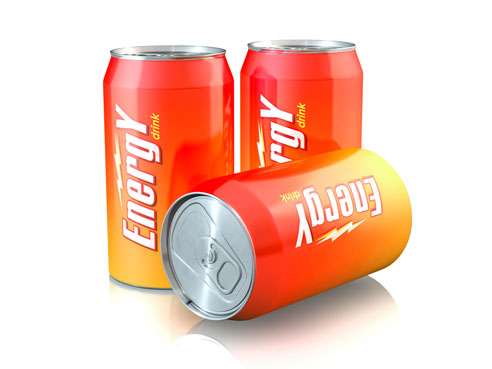
- Energy drinks and stimulant supplements appear in cardiac arrest reports 11 times more often than other products.
- Nearly half of heart-related reports linked to these products involved adults aged 18 to 34.
- Stimulant products were about 4.5 times more likely to appear in heart attack reports and about four times more likely to appear in arrhythmia reports.
- Some energy drinks pack up to three times as much caffeine per ounce as brewed coffee, making it easy to exceed daily limits.
- The FDA classifies these products as foods or supplements, bypassing the safety testing required for medications.
The brightly lit coolers at gas stations everywhere are stocked with neon cans promising laser focus, endurance, and a jolt of energy. Grabbing a few has become as much of a routine as filling the tank for millions of young Americans. But new research released November 2 ahead of the American Heart Association's Scientific Sessions 2026 suggests that habit may come at a cost young hearts can't afford.
Researchers analyzing 28,345 adverse event reports filed with the FDA between 2017 and 2025 found that energy drinks and stimulant supplements turned up in cardiac arrest reports about 11 times more often than other products did. Nearly half of the heart-related reports linked to these products involved adults aged 18 to 34.
Stimulant products show troubling pattern across multiple heart conditions
The research team reviewed reports covering people 13 and older, comparing caffeine- and stimulant-containing products with commonly consumed items like soft drinks, smoothies, vitamins, and protein bars. The differences were hard to ignore. Beyond the 11-fold increase in cardiac arrest reports, stimulant products were roughly 4.5 times more likely to appear in heart attack reports and about four times more likely to turn up in reports of dangerous heart rhythms or palpitations. Elevated heart rate showed up nearly three times more often, chest pain appeared 2.71 times more frequently, and fainting was reported about twice as often.
How young adults can quickly exceed daily caffeine limits
Let's do some quick math. The American Heart Association says up to 400 milligrams of caffeine daily is generally safe for most adults. That's up to five 8-ounce cups of black coffee. But here's where things get tricky: some energy drinks pack up to three times the caffeine per fluid ounce as brewed coffee, and certain pre-workout supplements top 12 times that concentration, according to the senior author of the study, Dr. Pamela Benavidez, a cardiothoracic anesthesiologist at Fairfield Medical Center in Ohio.
"This means one small serving can easily surpass the advised daily limit or more," Benavidez told Fox News Digital.
Ingredients such as guarana quietly add still more caffeine to the party. Study author Sai Samayamanthula, a fourth-year medical student at the University of Virginia School of Medicine, said: "Individuals who consume energy drinks or other stimulant-containing supplements regularly can quickly exceed the recommended daily limit for caffeine."
Safety monitoring gaps leave consumers in the dark
Here's a detail that should give anyone pause: the FDA classifies these products as foods or dietary supplements, not medications. That means they hit store shelves without being subjected to the safety testing that drugs must pass. Many of these drinks also contain extra stimulants such as synephrine and yohimbine, which Benavidez warns could interact with caffeine in ways we don’t fully understand.
"We don't know how many people consumed these drinks and didn't report symptoms," noted Dr. Colin Kane, a pediatric cardiologist at UT Southwestern Medical Center who was not involved in the study.
Because the FDA reports are voluntary, the figures reflect how often problems were listed in reports, not each drinker's actual odds of cardiac arrest. Still, the researchers called the pattern a potentially important safety signal worthy of more systematic monitoring.
Natural habits beat a can for lasting energy
Lasting energy is built on good nourishment, not a factory-made stimulant cocktail. A consistent sleep schedule of seven to nine hours, plenty of water throughout the day, and meals rich in protein, fiber, and healthy fats can keep your blood sugar steady and your energy levels stable.
Morning sunlight and regular movement also do wonders. Coffee lovers can keep their intake moderate and stop drinking it by early afternoon to protect their sleep. If a person experiences palpitations, chest pain, lightheadedness, or fainting after consuming an energy drink, the researchers advise getting medical help immediately.
Consumers deserve full disclosure when it comes to what exactly is in these cans and what it could mean for their hearts. Until that happens, be sure to read the labels, do the caffeine math, and remember that the most dependable energy is the kind your body makes on its own.
Sources for this article include:







Please contact us for more information.


