


- Kyiv’s critical river crossings were struck by Russian precision weapons amid mutual drone attacks on energy infrastructure.
- Kyiv’s metro and utilities were damaged, disrupting water, heat and power in parts of the capital.
- Russia says it targeted missile factories and drone production sites across multiple Ukrainian regions.
- Ukraine launched a record drone assault, striking the Crimean Bridge for a second consecutive day.
- Both sides escalate infrastructure strikes despite U.S.-brokered peace talks in Abu Dhabi last week.
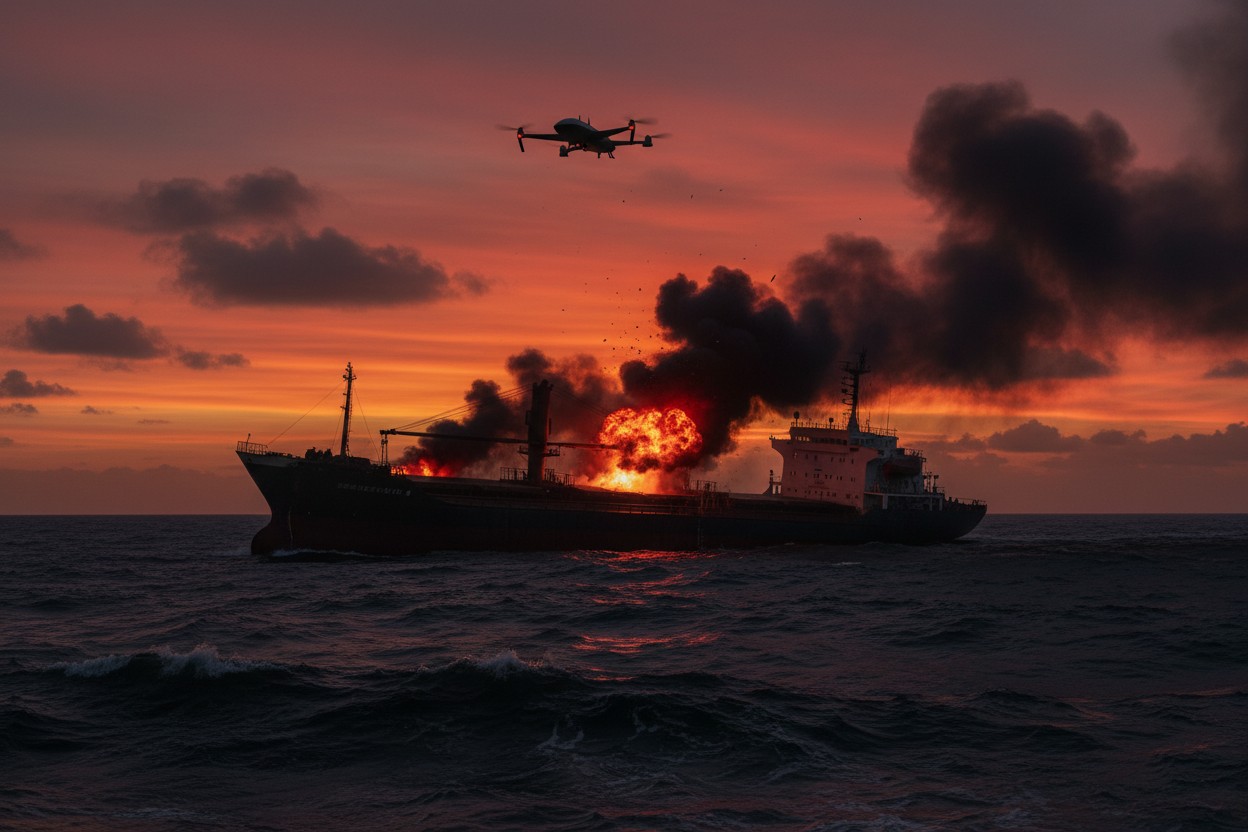
In a dramatic escalation of the infrastructure war, Russia launched a massive precision strike against Ukraine's military-industrial complex overnight into Tuesday, targeting two of Kyiv's most vital river crossings in what has become a high-stakes battle of the bridges. The Russian Defense Ministry confirmed its forces used ground-based and airborne precision weapons alongside drones to hit the Yuzhny railway bridge and Severny highway bridge, both described as critical transit routes for Ukrainian military supplies.
The assault came as part of a broader campaign hitting missile factories, drone assembly plants, energy facilities and port infrastructure in the Odesa region, while Ukraine simultaneously launched what Russian state media called its largest drone attack of the war, including a second consecutive strike on the Kerch Bridge linking occupied Crimea to Russia.
Kyiv's bridges hit as mayor reports metro and utility damage
Kyiv Mayor Vitali Klitschko confirmed both bridges spanning the Dnipro River were hit, forcing a suspension of traffic on the crossings. Part of the city's metro system was also knocked offline; officials cited damage to its surface infrastructure. Meanwhile, utility officials reported water disruptions for 317 residential buildings near the Troieshchyna neighborhood, and multiple areas experienced disruptions to heat, electricity and trolley bus service.
Beyond Kyiv, the ripple effects reached the western city of Chernivtsi, which went dark, and Dnipro, where power losses on overhead lines brought trams, trolley buses and the subway to a halt.
Russia says it hit Ukrainian missile factories and drone production sites
The Defense Ministry detailed a sweeping list of industrial targets it says it struck across at least four Ukrainian regions. In Kyiv, Russian weapons hit Techno Links LLC, a facility producing An-196 Lyutiy attack drones from foreign components, alongside the Ukrplastic plant manufacturing drone parts.
In Zaporizhzhia, Moscow claims it targeted Motor Sich, Ivchenko-Progress and the Omelchenko Machine-Building Plant, which it maintains are making missiles and engines for Ukraine's homegrown FP-9, Flamingo and Neptune-MD arsenal. It made similar claims regarding the Orizon-Navigation plant in the Cherkasy region, the Yuzhny Machine-Building Plant in Dnipro and the Sofrachim propellant plant in Pavlohrad. In the Odesa region, the ministry said it also hit Izmail port facilities used for storing military cargo and a ship bringing military goods to Chornomorsk.
Ukraine's record drone assault strikes Crimean Bridge again
Ukraine unleashed an unprecedented aerial campaign of its own the same night. Russia's Defense Ministry said 1,441 Ukrainian drones were shot down across 22 Russian regions—breaking the previous day's record of 1,336. Moscow Mayor Sergei Sobyanin said around 800 drones flew toward the Moscow region, with 321 intercepted before reaching the capital. Most dramatically, Ukraine struck the Kerch Bridge for the second straight day, killing two people according to Crimea's Russian-installed governor Sergei Aksyonov.
Ukrainian President Volodymyr Zelensky confirmed the attack, crediting drones and Neptune missiles, plus the Flamingo, which is the same missile whose factories Russia says it just struck. "War will always return to where it began," Zelensky said on X, framing the bridge assault as retaliation for Russian strikes on Ukrainian infrastructure.
Peace talks overshadowed by escalating strikes on energy assets
This latest exchange of blows occurred against the backdrop of U.S.-brokered peace negotiations in Abu Dhabi last week, the first such talks in nine months. Kyiv has been ramping up its refinery strikes since late October, and Zelensky claims that Russia has lost more than half of its refining capacity, although Reuters was unable to verify that figure. Two industry sources placed the drop closer to 30%, while Russian officials and media report shortages of fuel affecting at least six regions. Russia, meanwhile, has systematically hammered Ukraine's power grid, knocking out electricity to consumers in eight Ukrainian regions: Dnipropetrovsk, Donetsk, Zaporizhzhia, Mykolaiv, Odesa, Sumy, Chernihiv and Chernivtsi.
The pattern is clear: as diplomats talk peace, commanders on both sides are racing to degrade each other's ability to fight, turning bridges, power plants and refineries into the primary battlegrounds of a grinding war of attrition.
With Putin going to China this week for a showcase summit with Trump and Xi Jinping, the bridge war appears less like a path to victory than a scramble for leverage, with Western taxpayers still footing much of the bill.
Sources for this article include:







Please contact us for more information.


