


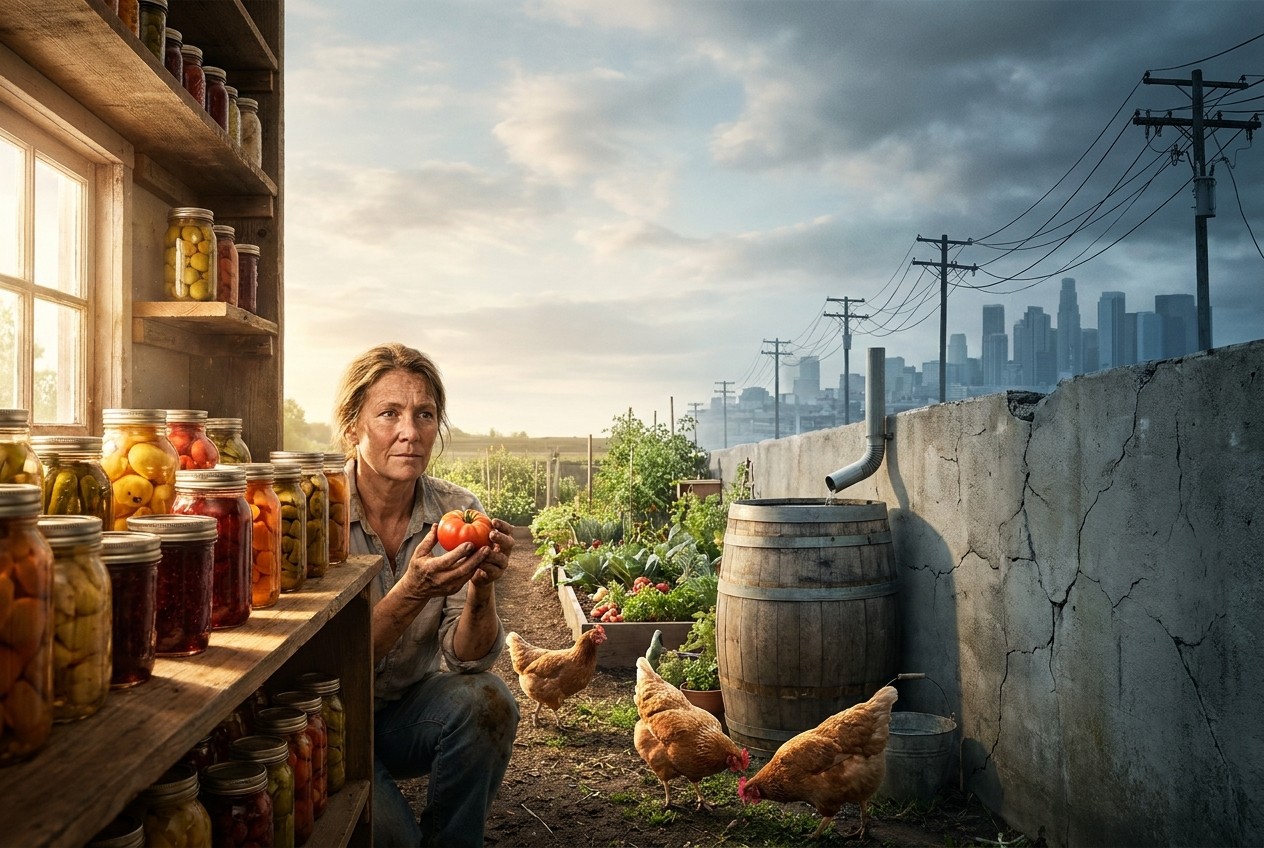
It's Wise to Be Prepared
Preparedness is not a fringe conspiracy or a psyop cooked up to sell buckets of beans and rice; it is a basic life strategy, the same kind of thinking that made our ancestors keep a root cellar, a rain barrel, and a well-stocked pantry without ever calling themselves preppers.
When a society centralizes everything it needs to survive, the case for personal redundancy becomes stronger, not weaker. Every single point of failure--one grid, one grocery chain, one water treatment plant--multiplies the value of a family that can stand at least thirty days on its own. The math is not complicated.
It was never a fringe idea. The reason preparedness looks suspicious to some people has nothing to do with the practice itself and everything to do with who has been carrying the banner lately.
We Live in a Radically Centralized Society
Our food supply is corporatized and dependent on monoculture and just-in-time grocery stores. The Haber-Bosch process is a single chemical reaction that feeds roughly half the world, and it functions as the most important chemical process on Earth--one that maps population growth directly onto synthetic nitrogen fertilizer [1]. When that system wobbles, so does everything downstream.
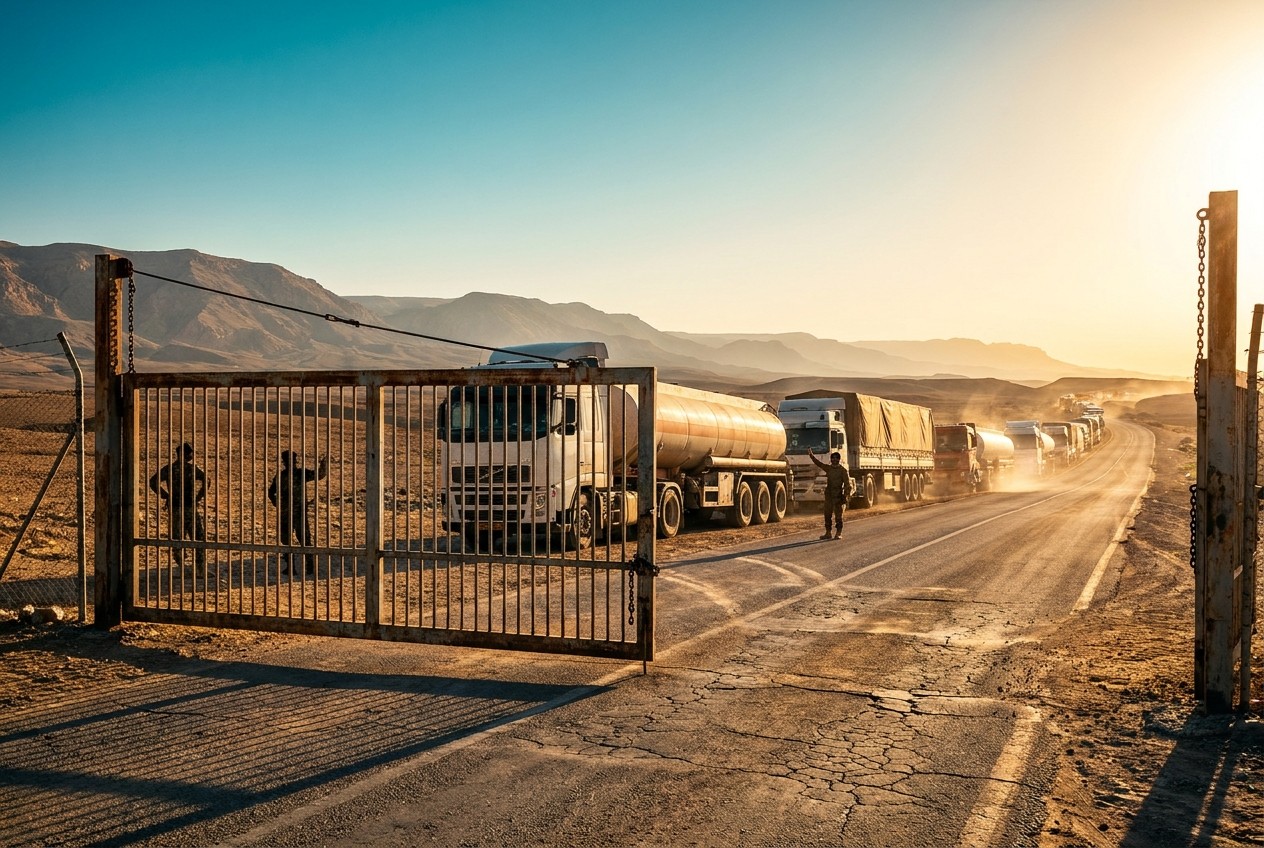
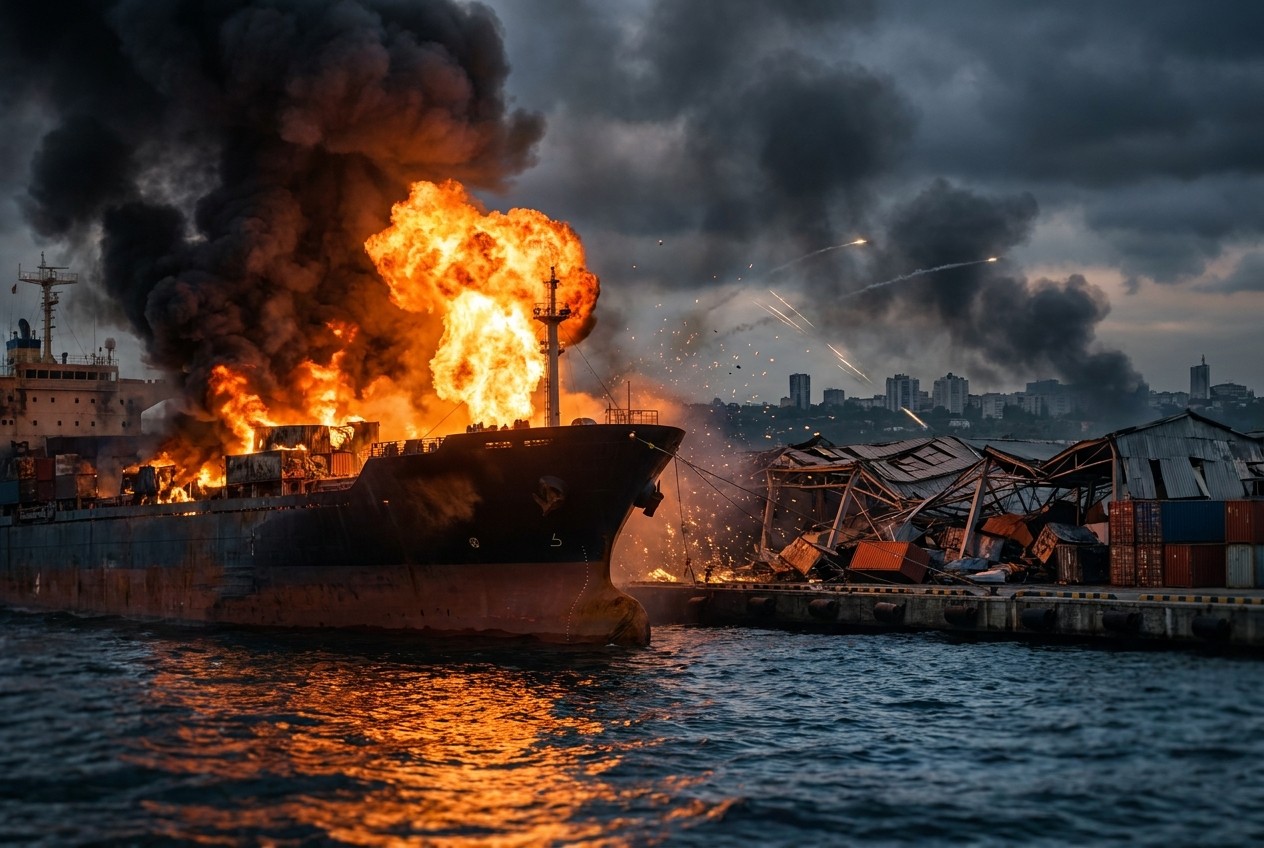
Similarly, trucking already faces a triple crisis of diesel prices, regional scarcity, and automation pressures; Saudi Arabia shut down its East-West Pipeline after multiple drone attacks, and the ripple effects hit refineries and ports around the world, impacting diesel availability [2].
Most people get water from municipal systems and power from a centralized grid, which creates single points of failure across an entire region. When Hurricane Isaias intensified toward Category 3 in the Gulf and threatened refineries, ports, trucking capacity, and diesel prices, every household that depended on the weekly grocery run was exposed [3]. Local governments themselves are not prepared for a systemic collapse in which banks fail, power grids halt, and grocery deliveries stop [4].
When those systems fail, the logical response is not panic but preparation. The goal is to survive off-grid and sustain yourself for at least 30 days and beyond. The Off-Grid Survival Bible makes the argument well: centralized food, energy, and medical infrastructures are vulnerable to cyberattacks, supply chain failures, and government control--and true safety comes from personal preparedness [5].
It Was Normal Before the 1970s
Ask your parents or grandparents. They likely grew food, kept chickens, gardened, fixed things, sewed, and canned. In modern times, Mormons, Mennonites, Amish, and even our grandparents lead or have led lives based on being prepared for unexpected hard times, as Backwoods Home Magazine put it [6]. That was not extremism; that was Tuesday.
Men repaired bicycles, plumbing, electrical, and welding. Women preserved food and mended clothing. An entire generation grew up with skills that are now sold back to us as specialty services. The book Advanced Survival captures the difference between a collectivist, centralized society and a self-reliant one: in the latter, the power of choices starts at the bottom with the individual and the family instead of with bureaucrats [7].
What used to be ordinary self-reliance has become rare, especially in cities, which is why preparedness now seems odd to some people. Permaculture pioneer David Holmgren has pointed out that current high-yield agriculture is addicted to inputs that maintain yields even while destroying the future productive base [8]. We did not just lose skills; we lost a culture that once made those skills ordinary.
What Happens When the Grid Goes Down
If the power goes out for a week, you need to heat or cool your home, prevent pipes from freezing, and have water to flush toilets. These are not survivalist fantasies. They are the most common chore of every winter storm. Preparedness guides from the field are direct about this: planning in advance what you will do in an emergency and using common sense and whatever you have on hand to take care of yourself is the actual plan [9].
Sewage treatment depends on power. Without it, waste backs up based on elevation, and the lower ground gets ugly fast. Local vulnerabilities compound when the suppliers themselves are strained. Texas declared a diesel emergency in 2026 while its governor issued a statewide disaster declaration over shortages, and a farmer living in rural Texas has been preparing for exactly this kind of fuel chaos for years [10].
With fuel scarcity, higher prices, global energy shocks, and wrecked supply chains, having supplies is the reasonable answer. The 'leaving every decision to the system' model is not a plan; it is a bet that nothing ever breaks.
Be Ready Without Freaking Out
Refusing to prepare just to resist a supposed psyop is crazy and dangerous. The people who would laugh at you for owning a week of shelf-stable food are the same people who will knock on your door when their pantry runs dry. Real prepping is closer to the sane-prepper mantra than the doomsday stereotype: know your risk, build a plan, pack an emergency kit, learn core skills, and keep adjusting [11].
My upcoming free course at brightu.com, the Health Ranger Guide to surviving war, famine, pandemics and grid-down scenarios, covers this in detail. My conversation with Seth Holehouse also touched on how "Prep Like Noah" approaches the topic as a practical guide for non-traditional preppers who feel overwhelmed by the complexity of preparedness or want a more structured approach [12].
You can also get certified organic, lab-tested storable food at healthrangerstore.com/food-kits and simply be ready in a reasonable way. This has nothing to do with fear and everything to do with freedom. Preparedness is not a fringe conspiracy; it is the oldest form of insurance human beings have ever written for themselves, and it has never gone out of style.
References
- The Haber Bosch House of Cards Why The One Chemical Reaction that Feeds Half the World is About to Go Offline - NaturalNews.com, March 20, 2026. by NaturalNews.com
- Trucking's Triple Crisis: Diesel Prices, Regional Scarcity, and the Autonomous Threat - NaturalNews.com, September 18, 2026. by NaturalNews.com
- Hurricane Isaias: Category 3 Threat to Gulf & Supply Chain. 2026-10-07T21:26:57.000Z. https://www.freightwaves.com/news/hurricane-isaias-category-3-threat-to-gulf-supply-chain
- Health Ranger Report - Why your local government isnt ready - Mike Adams - BrightVideos.com, May 03, 2024. by Mike Adams - BrightVideos.com
- The Off Grid Survival Bible A blueprint for resilience in uncertain times - NaturalNews.com, January 31, 2026. by NaturalNews.com
- Commonsense preparedness just makes sense. 2022-06-21T00:00:00Z. https://www.backwoodshome.com/commonsense-preparedness-just-makes-sense/
- Advanced Survival. by James C. Jones
- Permaculture Principles and Pathways Beyond Sustainability. by David Holmgren
- Preparing Makes Sense. Get Ready Now.. https://our.ric.edu/documents/homeland-security-preparation-guide
- Texas Declares Diesel Emergency as Fuel Supply Chain Strains. 2026-09-30T06:00:00.000Z. https://www.naturalnews.com/2026-09-30-texas-declares-diesel-emergency-supply-chain-strains.html
- The 7 Prepping Essentials. https://mind4survival.com/prepping/
- Bright Videos News - with Seth Holehouse - Mike Adams - BrightVideos.com, March 19, 2026. by Mike Adams - BrightVideos.com
- Why Prepping Is Just Common Sense - David Avocado Wolfe. 2025-09-19T00:00:00Z. https://davidavocadowolfe.substack.com/p/why-prepping-common-sense
- Japan’s Emergency Appeal Is a Wake-Up Call: Every Japanese Citizen Should Be a Prepper. 2026-10-27T06:00:00.000Z. https://www.naturalnews.com/2026-10-27-japans-emergency-appeal-is-wake-up-call.html
Explainer Infographic

Mike Adams (aka the "Health Ranger") is the founding editor of NaturalNews.com, a best selling author (#1 best selling science book on Amazon.com called "Food Forensics"), an environmental scientist, a patent holder for a cesium radioactive isotope elimination invention, a multiple award winner for outstanding journalism, a science news publisher and influential commentator on topics ranging from science and medicine to culture and politics.
Mike Adams also serves as the lab science director of an internationally accredited (ISO 17025) analytical laboratory known as CWC Labs. There, he was awarded a Certificate of Excellence for achieving extremely high accuracy in the analysis of toxic elements in unknown water samples using ICP-MS instrumentation.
In his laboratory research, Adams has made numerous food safety breakthroughs such as revealing rice protein products imported from Asia to be contaminated with toxic heavy metals like lead, cadmium and tungsten. Adams was the first food science researcher to document high levels of tungsten in superfoods. He also discovered over 11 ppm lead in imported mangosteen powder, and led an industry-wide voluntary agreement to limit heavy metals in rice protein products.
Adams has also helped defend the rights of home gardeners and protect the medical freedom rights of parents. Adams is widely recognized to have made a remarkable global impact on issues like GMOs, vaccines, nutrition therapies, human consciousness.



Please contact us for more information.


