


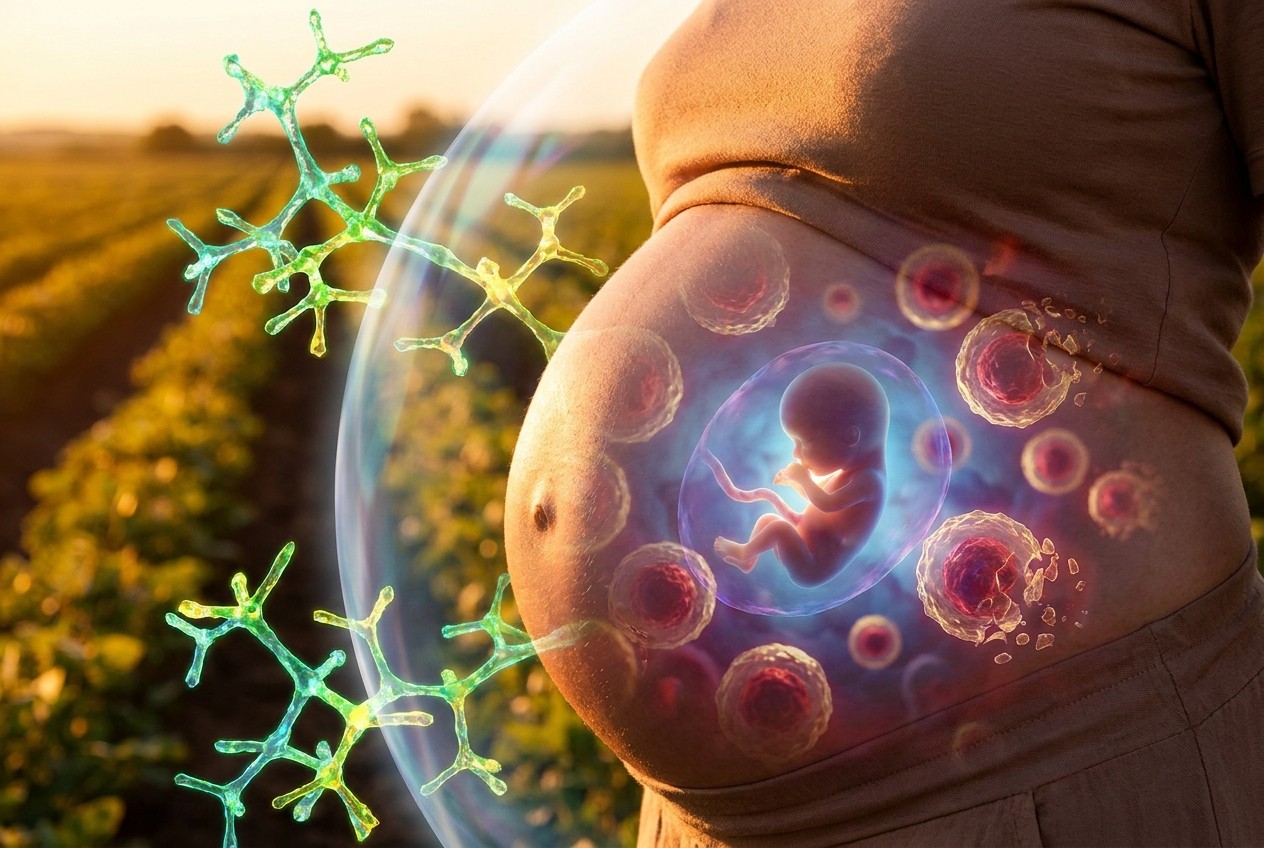
The study identified the third trimester as a particularly sensitive window for immune development, with increased pyrethroid metabolites correlating with decreased cord blood T cell and B cell counts. Lymphocytes are a type of white blood cell that the researchers said help the body fight infections, viruses and cancer. The authors stated the findings indicate maternal exposure "may reduce neonatal cord blood lymphocyte counts and increase lymphocyte apoptosis rates" [1].
According to the report, the developing immune system is more susceptible to immunotoxic damage induced by environmental exposures than the adult immune system, and such exposures may potentially lead to long-term health consequences for children. Decreased lymphocyte counts are associated with increased vulnerability to additional health effects, the report stated [1].
Study Design and Exposure Measurements
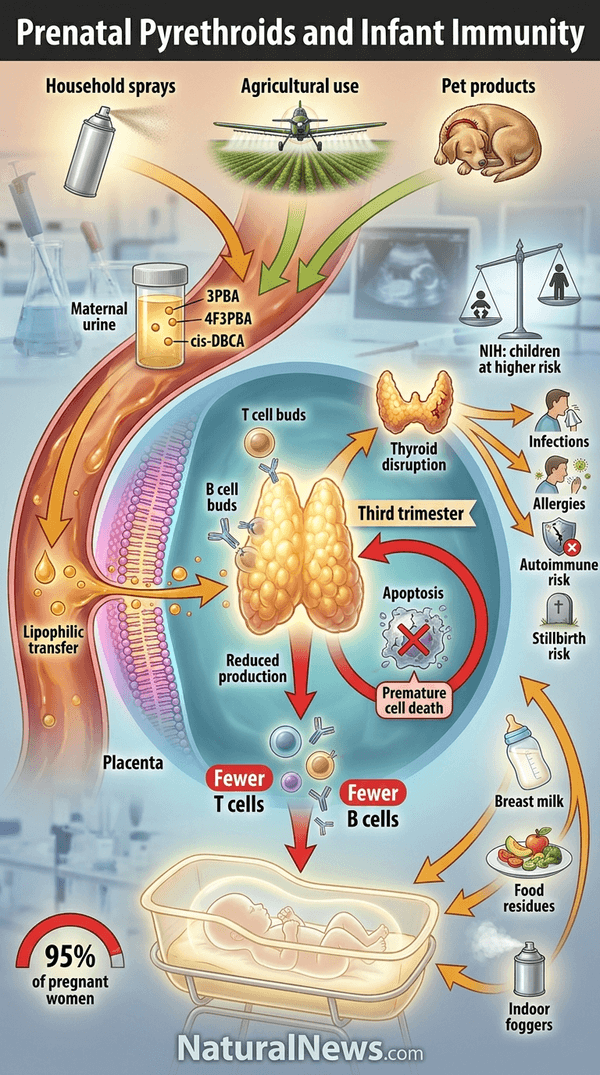
The authors listed primary pyrethroid metabolites as 3-phenoxybenzoic acid (3PBA), 4-fluoro-3-phenoxybenzoic acid (4F3PBA) and cis-DBCA, with 3PBA described as the most common metabolite and cis-DBCA and 4F3PBA identified as specific metabolites of deltamethrin and cyfluthrin respectively [1].
The researchers stated that pyrethroids can cross the placental barrier "due to their high lipophilicity," leading to fetal exposure in utero, and noted the fetal period is characterized by rapid growth and tissue maturation [1]. Previous studies cited in the report detected at least one pyrethroid metabolite in more than 95 percent of pregnant women during pregnancy, according to the report [1].
A separate study published in Frontiers in Public Health found that children experience exposure to pyrethroid insecticides earlier in life as levels significantly increase post-natal, according to Children's Health Defense [2]. The presence of pyrethroids in newborn urine indicates exposure through the mother during gestation, and continued exposure through the first year of the child's life can be due to exposure through breast milk, food consumption and the use of pyrethroid-based insecticides indoors, the organization reported [3].
Third Trimester Identified as Sensitive Window
The study reported that the third trimester represents a pivotal sensitive window for the maturation of lymphocyte cell lineages, citing rapid proliferation and functional differentiation of lymphoid progenitor cells in the fetal thymus, spleen and bone marrow [1]. The authors stated that equivalent exposure levels to environmental toxicants "may exert more significant effects on the differentiation and maturation of lymphocytes" during this period [1].
The report stated that the developing immune system is more susceptible to immunotoxic damage induced by environmental exposures than the adult immune system, according to the researchers. The report noted that decreased lymphocyte counts are associated with increased vulnerability to additional health effects, according to the study [1].
According to the National Institutes of Health, infants and children face much higher hazards than adults from pesticide exposure, as documented on Beyond Pesticides' Hazards of Pesticides for Children's Health page.
Prior Research on Prenatal Pesticide Exposure
A comprehensive literature review in Endocrines amasses hundreds of studies on endocrine-disrupting chemicals that showcase adverse effects on growth, development, reproduction and metabolism, according to Children's Health Defense. The researchers also shed light on the link between the chemicals and thyroid dysfunction [4]. According to a study in the American Journal of Epidemiology, pesticide exposure before conception and during the first trimester was linked to an increased risk of stillbirths [5].
Regulatory Context and Cited Alternatives
According to Children's Health Defense, a study published in Chemosphere finds persistent organic pollutants, including organochlorine pesticides, polychlorinated biphenyls, and polybrominated diphenyl ethers, are present in the serum and placenta of pregnant mothers, as well as multiple fetal organs. Many studies indicate that prenatal and early-life exposure to environmental toxicants increases susceptibility to disease [6]. A separate study published in Environmental Science and Technology found neonicotinoids and their breakdown products, like other chemical pesticide compounds, can readily transfer from mother to fetus [7].
Conclusion
The study published in the Journal of Global Health adds to a growing body of research linking prenatal pesticide exposure to adverse health outcomes in infants and children.
Previous studies cited in the report detected at least one pyrethroid metabolite in over 95 percent of pregnant women during pregnancy, indicating widespread exposure to these chemicals among expectant mothers [1].
Beyond Pesticides stated that organic agriculture and land management practices can mitigate toxic effects of petrochemical pesticides and synthetic fertilizers.
References
- Prenatal Pyrethroid Insecticide Exposure Threatens Infant .... https://beyondpesticides.org/dailynewsblog/2026/11/prenatal-pyrethroid-insecticide-exposure-threatens-infant-immune-function-study-finds/
- New Study Tracks Prenatal, Newborn and Childhood Exposure to Common Insecticide. https://childrenshealthdefense.org/defender/pyrethroid-insecticide-prenatal-newborn-childhood-exposure/
- New Study Tracks Prenatal, Newborn and Childhood Exposure to Common .... https://childrenshealthdefense.org/defender/pyrethroid-insecticide-prenatal-newborn-childhood-exposure/
- Hundreds of Studies Confirm: Endocrine-disruptors Harm Reproduction and Metabolism, and May Cause Thyroid Dysfunction. https://childrenshealthdefense.org/defender/studies-confirm-endocrine-disruptors-harm-reproduction-metabolism-may-cause-thyroid-dysfunction/
- Higher Risk of Stillbirth Found Among Women Exposed to Pesticides. https://childrenshealthdefense.org/defender/stillbirth-high-risk-among-women-exposed-pesticides/
- Toxic Chemicals Spread to Multiple Fetal Orga - ChildrensHealthDefense.org.
- Neonicotinoid Insecticides Added to Growing List of Chemicals That Transfer From Mother to Fetus. https://childrenshealthdefense.org/defender/pregnancy-neonicotinoid-insecticides-mother-fetus/
Explainer Infographic











Please contact us for more information.


