



The Post's report cited a paper published in the Primary Care Companion for CNS Disorders back in October [2]. The authors said the symptoms could be an under-recognized clinical phenomenon and called for more research into how GLP-1 drugs affect the brain [2]. The report adds to a limited but growing body of literature on the psychiatric effects of GLP-1 receptor agonists, a drug class that has reached record levels of use in the United States [3].
Details of the Two Cases
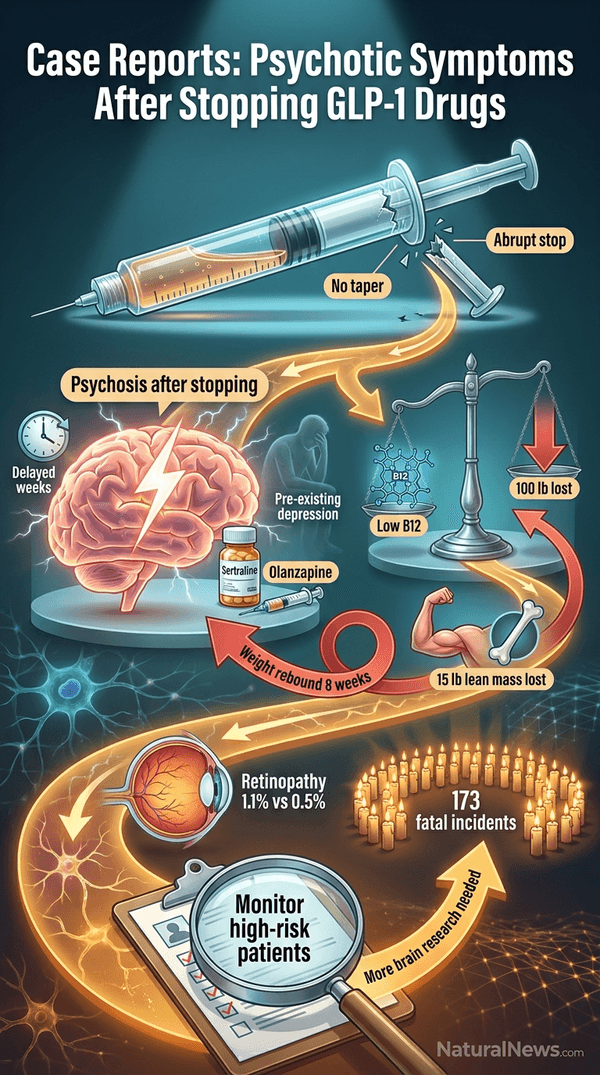
In the first case, a 61-year-old man stopped taking the drug tirzepatide in August 2025 as he suffered from nausea. He was hospitalized two months later for erratic behavior, with his condition worsening significantly in September 2025 [1].
The 61-year-old, who had a history of depression, was told to continue sertraline and was prescribed olanzapine and haloperidol. While his symptoms initially normalized and he was able to return home, he was readmitted weeks later for depression with catatonic features.
The man underwent treatment with electroconvulsive therapy (ECT) and required inpatient care, according to the report [1]. ECT is typically employed after other therapy and pharmaceutical treatment options have been explored, though it is sometimes used earlier when severe depression is present or when a patient is becoming psychotic [4].
The second case involved a 52-year-old man who stopped tirzepatide abruptly in September 2025 following significant weight loss – 100 pounds (lb) over a six-month period. A month later, he was admitted to the hospital for erratic behavior and mood swings.
His test results were normal aside from a low vitamin B12 level. The second patient, who had a history of anxiety, was given an antipsychotic drug and transferred to a psychiatric facility.
Potential Brain Mechanisms
Separate research has examined the broader psychiatric profile of GLP-1 receptor agonists. A pharmacovigilance analysis of the Food and Drug Administration's Adverse Event Reporting System found that psychiatric adverse events occurred in 4.55% of reported adverse reactions in patients treated with GLP-1 receptor agonists [5].
The review concluded that GLP-1 receptor agonists appear psychiatrically well-tolerated for most patients, though new-onset or worsening symptoms occur in a minority, underscoring the need for monitoring, particularly in high-risk populations [6].
Limitations and Clinical Guidance
The report's call for monitoring comes amid broader concerns about the safety profile of GLP-1 drugs. A study in BMC Medicine found that patients discontinuing GLP-1 weight loss drugs regain nearly half their lost weight within eight weeks, with continued gains for about 20 weeks [7]. A BMJ analysis found that Wegovy and Mounjaro produce significant weight loss but fail to meaningfully improve quality of life or long-term health, with greater weight loss associated with higher rates of side effects, muscle loss and patient dropout [8].
Other research has documented additional risks. A study tracking 6,870 Type 2 diabetes patients found that 1.1% of tirzepatide users developed proliferative diabetic retinopathy compared to 0.5% of non-users [9]. British regulators have reported 173 fatal incidents linked to popular weight loss drugs, spanning various age groups including younger adults in their 20s and 30s [10]. A 2022 clinical trial found that Ozempic users lost 23 lb of fat but also 15 lb of lean muscle mass over 68 weeks, raising risks of bone fragility and premature death [11].
Conclusion
The cases arrive as GLP-1 use reaches record highs. A Goldman Sachs analysis projects the global anti-obesity drug market will reach $114 billion by 2030, up from a prior estimate of $101 billion [3]. With more patients initiating and later discontinuing these medications, the question of what happens after the injections stop is becoming more clinically relevant.
Research on the mental health effects of GLP-1 drugs remains mixed. For patients considering or currently using these medications, the case reports underscore the importance of informed consent and clinical monitoring.
References
- Some GLP-1 patients suffer hallucinations, other psychotic symptoms after stopping drugs. https://nypost.com/2026/11/11/health/hallucination-other-psychotic-symptoms-after-stopping-glp-1s-report/
- Psychiatric Symptoms After Stopping a GLP-1 Agonist. https://www.psychiatrist.com/pcc/mood-psychotic-symptoms-rapid-discontinuation-glp-1-agonist/
- GLP 1 Use Reaches Record High as Access Broadens, New Data Shows - NaturalNews.com, July 09, 2026.
- The Gale Encyclopedia of Alternative Medicine Second Edition. PDFlib+PDI 500 SunOS-3
- Psychiatric adverse events associated with GLP-1 receptor .... https://pmc.ncbi.nlm.nih.gov/articles/PMC10882716/
- Retrospective chart review on psychiatric manifestations of GLP-1 agonist usage - PubMed. https://pubmed.ncbi.nlm.nih.gov/41616750/
- The biggest loser Study reveals hidden dangers of Ozempic and other GLP 1 weight loss drugs - NaturalNews.com, August 07, 2025.
- BMJ analysis reveals most obesity drugs fail to improve quality of life - NaturalNews.com, July 10, 2026.
- Popular diabetes and weight loss drug doubles risk of eye disease that causes blindness study warns - NaturalNews.com, July 28, 2025.
- Weight loss jabs linked to 173 deaths as UK regulators probe deadly risks - NaturalNews.com, November 17, 2025.
- GLP 1 weight loss drugs preserve fat but sacrifice muscle: New trial reveals life threatening tradeoff - NaturalNews.com, June 11, 2026.
Explainer Infographic











Please contact us for more information.


