


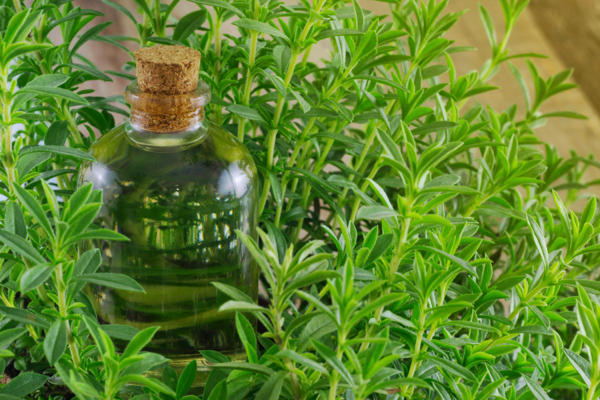
- Tarragon, known as the "king of herbs," is a widely used culinary ingredient with a distinctive sweet, licorice-like flavor, particularly popular in French cuisine.
- Scientifically called Artemisia dracunculus, tarragon has been valued since ancient times for both its culinary and medicinal properties, with notable use by the Greeks and Romans.
- The two main varieties are French tarragon, prized for its superior flavor and Russian tarragon. The herb's essential oil is extracted from its leaves and contains beneficial compounds like estragole and eugenol.
- Tarragon supports digestion, alleviates pain, reduces stress and anxiety, boosts immunity and promotes oral health due to its antimicrobial and anti-inflammatory properties.
- Available as essential oil, tinctures and capsules, tarragon must be used in moderation. It can be applied topically, diffused for aromatherapy or consumed in small doses with professional guidance.
Tarragon, often referred to as the "king of herbs," is renowned globally for its distinctive flavor and health benefits.
This versatile herb is a staple in many kitchens, enhancing dishes with a subtle sweetness and a hint of licorice. For centuries, it has also been prized for its medicinal properties. Whether fresh or dried, tarragon is more than just a culinary addition – it is a nutrient-rich source packed with health-supporting compounds.
What is tarragon?
Tarragon, scientifically known as Artemisia dracunculus, is a perennial herb that belongs to the daisy family. It is a slender, aromatic plant with long, thin leaves and small, inconspicuous yellow flowers. Tarragon is often recognized for its distinctive flavor and its use in culinary applications, particularly in French cuisine. However, its benefits extend beyond the kitchen, with a long history of use in traditional medicine and aromatherapy.
History and extraction
Tarragon is primarily extracted from the fresh or dried leaves of the Artemisia dracunculus plant. There are two main varieties of tarragon: French tarragon (A. dracunculus var. sativa) and Russian tarragon (A. dracunculoides). French tarragon is the preferred variety for culinary and essential oil production due to its superior flavor and aroma.
The history of tarragon dates back to ancient times, where it was used by the Greeks and Romans for its medicinal properties. It was believed to have digestive benefits and was used to treat a variety of ailments, including indigestion, flatulence and urinary tract infections. In medieval times, tarragon was considered a sacred herb and was used in various religious ceremonies.
In more recent history, tarragon has been used extensively in aromatherapy and wellness practices. The essential oil extracted from tarragon is rich in compounds like estragole, eugenol and cineole, which contribute to its therapeutic properties.
Aromatic and medicinal uses
In addition to its culinary applications, tarragon essential oil has been traditionally used for its numerous health benefits. The oil has been valued for its ability to support digestion, alleviate pain and promote relaxation. Here are some of its key benefits and applications:
- Digestive health: Tarragon oil has been shown to stimulate the digestive system, promoting healthy digestion and relieving symptoms of indigestion, bloating and gas. Its antispasmodic properties can also help ease stomach cramps and reduce inflammation in the gut.
- Pain relief: Its analgesic and anti-inflammatory properties make it a valuable remedy for managing pain and discomfort. It can be particularly effective for relieving headaches, muscle aches and joint pain.
- Stress and anxiety relief: Tarragon essential oil has a calming effect on the nervous system, making it a useful tool for reducing stress and anxiety. Its soothing aroma can help promote relaxation and improve overall mental well-being.
- Immune support: With its high concentration of antioxidants, tarragon oil can help boost the immune system, protecting the body against free radicals and supporting overall health.
- Oral health: Tarragon has been used to improve oral health by fighting bacteria and reducing the risk of tooth decay and gum disease. Its antimicrobial properties make it a natural addition to dental hygiene routines.
Availability and dosage
Tarragon essential oil is available as a supplement in various forms, including pure essential oil, tinctures and capsules. When using the oil, it's essential to follow the recommended dosage to avoid potential side effects.
For general wellness, tarragon essential oil can be used in several ways: topically, by diluting two to three drops in a carrier oil like coconut or jojoba and applying to the affected area; through diffusion, by adding three to five drops to a diffuser for aromatherapy; and internally, but only after consulting a healthcare professional, as tarragon oil can be toxic in large quantities, with a typical safe dose being one to two drops mixed with water or a carrier oil.
This story is not medical advice and is not intended to treat or cure any disease. Always consult with a qualified naturopathic physician for personalized advice about your specific health situation or concern.
Watch this video discussing seven health benefits of tarragon.
This video is from the Daily Videos channel on Brighteon.com.
Sources include:











Please contact us for more information.


