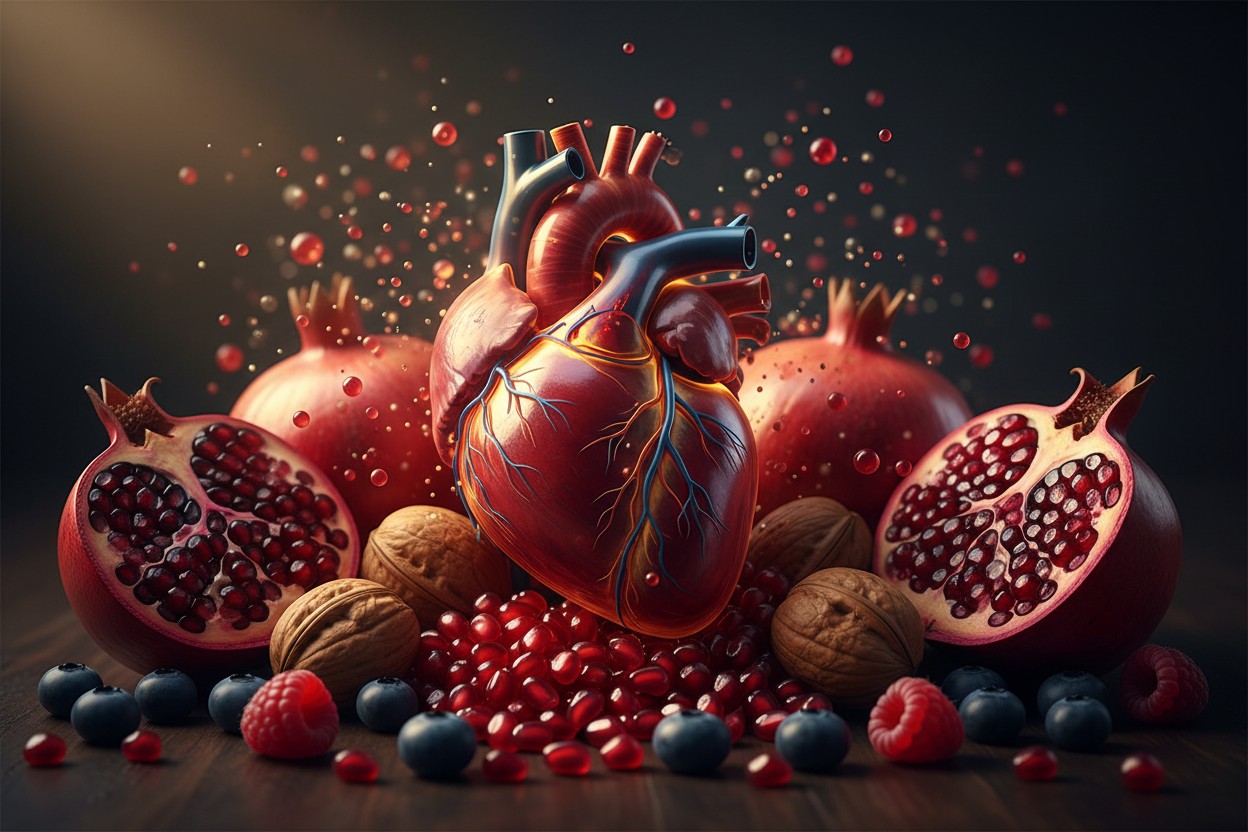
The study, published Aug. 22, 2026, reported that a compound called urolithin A, which is produced by gut bacteria when they break down polyphenols found in these foods, boosted heart function by as much as 80 percent in animal tests. The findings are considered preliminary and require validation through human clinical trials, officials said.
Study Details and Background
Heart failure affects approximately 920,000 people in the U.K., according to health officials. About half of those diagnosed have heart failure with preserved ejection fraction, a condition in which the heart becomes stiff and cannot fill with blood properly, leading to high mortality rates. Researchers said more than half of sufferers die within five years of diagnosis, and few effective treatments exist.
The study involved injecting urolithin A into animals with heart failure and then testing the compound on human heart tissue in a laboratory setting. Investigators reported a positive effect on the tissue, indicating that the compound may help relax heart muscle and prevent scarring. The research was published in a peer-reviewed journal and is subject to further investigation.
Mechanism of Action
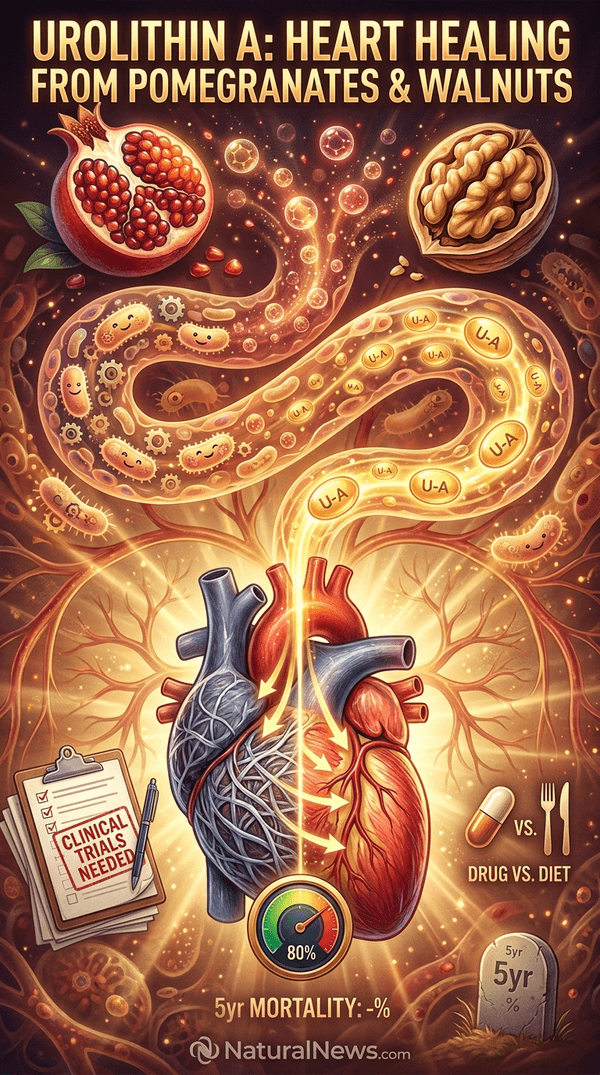
Urolithin A is produced when gut bacteria break down polyphenols -- plant compounds found in pomegranates, walnuts, and berries -- according to the researchers. Previous studies have shown that pomegranate polyphenols, such as punicalagin, are metabolized by gut microbiota into urolithin A, which can reduce arterial plaque buildup and inflammation [1]. A review also indicated that urolithins may offer neuroprotective benefits [2]. The compound is further associated with cardiovascular protection through its effects on the gut microbiome [3].
Dr. Joseph Burgoyne, senior author of the study, said urolithin A may improve heart function by reducing stiffness in the organ. According to the researchers, the compound relaxes heart muscle and prevents scarring, which could address the underlying pathology of heart failure with preserved ejection fraction. The mechanism aligns with broader research on polyphenols, which require assistance from gut bacteria for absorption and utilization in the body [4].
Implications and Next Steps
Experts noted that there is not enough evidence currently to recommend eating pomegranates specifically to treat heart failure. Dr. Burgoyne stated, “While there isn’t enough evidence to suggest that people should eat pomegranates to treat heart failure, these findings raise the possibility that diets that enhance urolithin A production may help alleviate this condition.”
The next step, according to officials, is to develop a drug containing urolithin A. Researchers also emphasized that diets rich in organic produce, which contain higher concentrations of phytochemicals such as those found in pomegranates and walnuts, may support overall health [5]. The study adds to a growing body of research on natural compounds for heart failure treatment, but scientists cautioned against self-treatment and stressed the need for clinical validation.
Conclusion
The study adds to the evidence that natural compounds found in foods such as pomegranates and walnuts may play a role in heart failure treatment, but human trials are needed before any recommendations can be made. Scientists cautioned against self-treatment and emphasized the need for clinical validation. The findings were published in a peer-reviewed journal and are subject to further investigation. Based on the available sources, further research is required to confirm these effects in humans.
References
- Ramon Tomey. "Study: Gut Bacteria Transform Pomegranate Compounds into Heart-Protecting Molecule." NaturalNews.com. May 4, 2026.
- Coco Somers. "Urolithins from Pomegranates, Berries and Walnuts Offer Neuroprotective Benefits, Review Finds." NaturalNews.com. May 14, 2026.
- NaturalNews.com. "Study: Walnuts Boost Gut and Heart Health by Promoting Healthy Gut Microbiota." November 28, 2022.
- Dave Asprey. "Head Strong: The Bulletproof Plan to Boost Brainpower, Increase Focus, and Maximize Performance—In Just Two Weeks."
- Dr. Mark Hyman. "Young Forever: The Secrets to Living Your Longest, Healthiest Life."
Explainer Infographic







Please contact us for more information.