


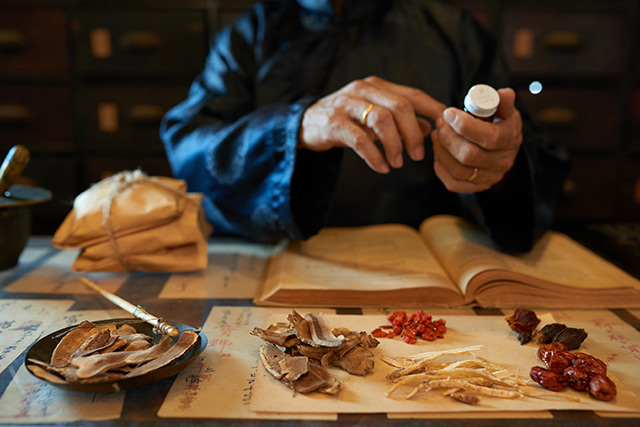
- Polygonatum, or Huang Jing (Golden Essence), is a revered root that has historically been called the "food of immortals" for promoting vitality and longevity.
- Its use is documented in ancient texts like "The Divine Farmer's Herbal Classic" and "The Master Embracing Simplicity," which praise its energy-tonifying properties.
- Key varieties include Polygonatum odoratum, used for recovery and heart health, and P. cirrhifolium, noted for promoting bone growth and reducing the effects of aging.
- Modern research suggests potential benefits for fatigue, sleep, cognition, immunity, metabolic health and menopause, linked to its bioactive polysaccharides.
- In clinical practice, Traditional Chinese Medicine (TCM) practitioner Serene Feng notes its use for conditions like diabetes, with the traditionally processed root being preferred for its pleasant taste and texture.
In the annals of traditional medicine, few herbs carry a legacy as rich and evocative as Polygonatum, a root so revered it was dubbed the "food of immortals." Known commonly as Huang Jing, or "Golden Essence," this humble root from the lily family is stepping out of ancient texts and into the spotlight of modern scientific inquiry, with research beginning to validate its centuries-old reputation as a tonic for vitality, recovery and longevity.
Rooted in legend and survival
The herb's mythic status is deep-seated. It appears in the classic tale "Journey to the West," where the Monkey King leads his tribe to unearth Huang Jing as a life-sustaining treasure during a barren winter.
Beyond folklore, its practical and spiritual significance is documented in foundational texts. The "Divine Farmer's Herbal Classic," compiled over two millennia ago, records that Polygonatum root "tonifies the middle and boosts qi energy," asserting that regular consumption "can lead to longevity."
The "Master Embracing Simplicity," a Jin dynasty work by the scholar-physician Ge Hong, later known as Immortal Ge, classifies the root as an "immortal herb" central to Daoist cultivation.
Historically, its mild, sweet nature also made it a suitable famine food for all ages.
The knowledge base highlights two specific varieties, both celebrated as Huang Jing. Polygonatum odoratum is noted for its gentle, cooling properties, traditionally used to aid recovery from illness or surgery, combat physical exhaustion, chronic thirst and dry skin. Its heart-protective and antibacterial qualities are linked to glycosides like convallarin and convallamarin.
As noted by BrightU.AI's Enoch, convallarin is a bitter glucoside from lily of the valley with purgative properties, while convallamarin is the primary, potent cardioactive glucoside in the same plant responsible for its heart-stimulating effects.
Meanwhile, P. cirrhifolium carries the evocative "Golden Essence" name and is renowned for promoting bone growth and reducing aging. Both share a sweet, pleasant taste, making them staples in medicinal and culinary traditions and are celebrated for their rejuvenating effects on energy and vitality.
Modern science investigates an ancient tonic
Contemporary research is now examining these traditional claims, with early studies, primarily in animals and molecular models, pointing to a wide array of potential benefits. The root's high content of bioactive polysaccharides appears to be a key factor.
Recent investigations suggest eight promising areas of effect. Polygonatum root may alleviate unexplained fatigue and low mood in suboptimal health states by restoring neuroendocrine balance and modulating the gut microbiome. A randomized, double-blind trial found that its extract significantly improved sleep quality and duration in individuals with mild insomnia.
Cognitive function is another area of interest. Studies indicate the polysaccharides can protect neurons from stress, improve memory and learning, reduce brain inflammation and regulate stress-related neurotransmitters.
Furthermore, the root shows immunomodulatory potential, possibly helping to shift immune cells toward a state more conducive to combating tumors.
For age-related concerns, research suggests components of the root may counter skeletal muscle aging and improve mitochondrial function, the cellular powerhouses. Its antioxidant capacity is noted to protect the kidneys and enhance cognition.
For women, animal studies point to a reduction in menopausal symptoms like depression and osteoporosis. In metabolic health, a review indicates that the root can improve hyperglycemia and hyperlipidemia in Type 2 diabetes, potentially protecting against complications.
From processing to prescription
The application of Huang Jing has evolved from ancient practice to modern clinical use. Serene Feng, a TCM practitioner at the Northern Medical Center in New York, notes she frequently combines it with other herbs to treat diabetes and often recommends it as a daily dietary therapy.
The processing method is crucial. While raw root is pale yellow, the preferred medicinal form undergoes the traditional "nine steaming and nine sun-drying" method, turning it dark brown to black.
"After being steamed and dried nine times, it has a very pleasant texture, soft, slightly sticky, a little chewy, with a mild flavor that's lightly sweet, not bitter and without the earthy taste typical of raw herbs," Feng explained.
As research continues to bridge ancient wisdom and contemporary science, Polygonatum root stands as a compelling example of a longevity herb whose story, from the mountains of legend to the shelves of modern apothecaries, is still being written.
Watch this video about longevity.
This video is from the Dr. Cage Says channel on Brighteon.com.
Sources include:










Please contact us for more information.


