


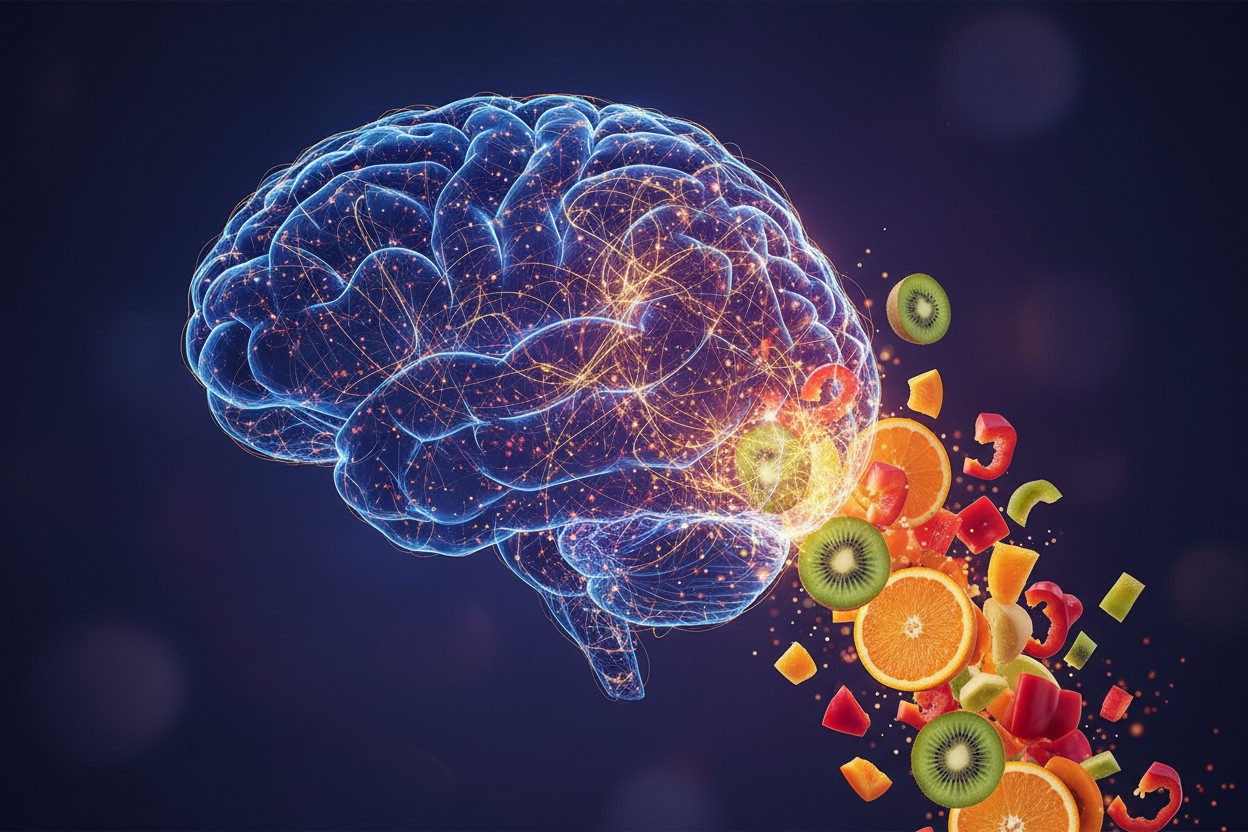
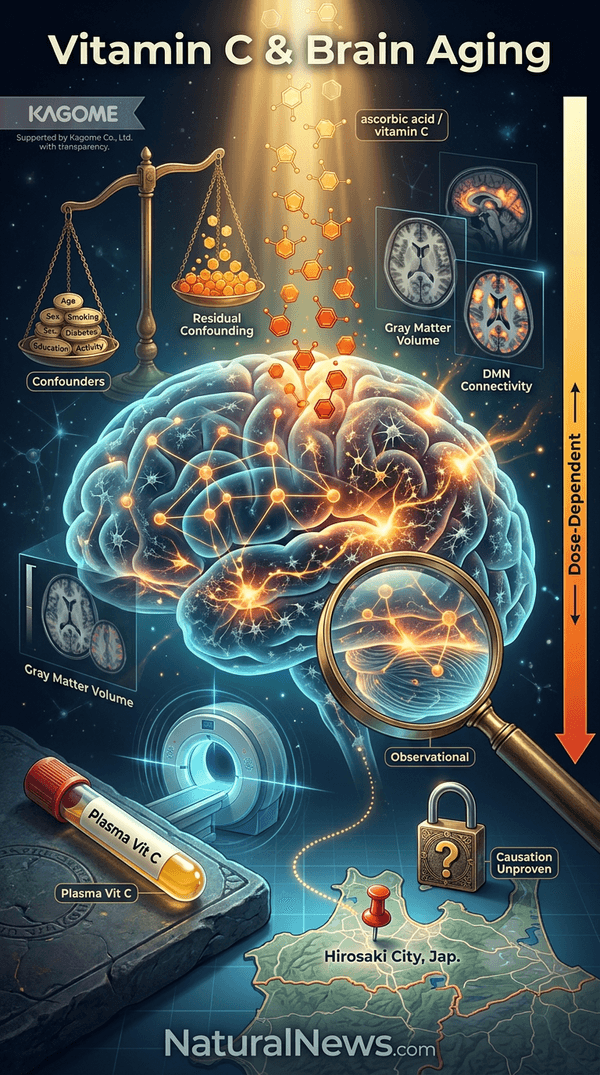
The research, led by Haruka Nagaya of Hirosaki University in Japan, analyzed brain MRI scans and blood plasma samples from 2,044 Japanese adults over age 64. [1] The findings do not prove that vitamin C directly protects brain structure, but they add to evidence that nutrition may influence brain aging, the researchers said.
The study was funded in part by Kagome, a Japanese food company that produces vegetable-based beverages. However, the authors stated the company had no role in study design or analysis. [2]
Study Design and Participants
Data for the analysis came from the Iki-Iki Health Promotion Project, a community-based study of dementia and heart disease risk factors in Hirosaki City, Japan. Approximately 2,390 residents initially participated, and just over 2,000 met all criteria for the final analysis, according to the report. [3]
Each participant provided a blood sample after an overnight fast, and plasma vitamin C concentrations were measured. Participants then underwent brain MRI scans using the same high-powered scanner, allowing researchers to assess gray matter volume and structural connectivity within the default mode network. [3]
Gray matter is the brain tissue that supports thinking, memory, movement and information processing, according to the study authors. The analysis adjusted for factors that could affect brain health, including age, sex, smoking, diabetes, education level and physical activity. [1]
Observed Associations Between Vitamin C and Brain Health
After statistical adjustments, the researchers found a consistent pattern. Participants with lower plasma vitamin C levels tended to have reduced gray matter volume and weaker connectivity within the default mode network. [2]
Tomohiro Shintaku, a co-author of the study, said in a statement: "Our study demonstrates that higher plasma vitamin C levels are associated with better preserved structural connectivity of the default mode network (DMN), a key brain network involved in cognitive function." [2]
Shintaku added: "What I found most fascinating about this research is that we were able to detect these subtle but significant associations between a single nutritional factor and large-scale brain networks by utilizing a robust, community-based cohort of over 2,000 older adults." [1] The researchers noted that the associations were statistically significant but small in magnitude. [2]
Limitations and Need for Further Research
The study is observational, meaning it cannot establish whether vitamin C directly causes the brain differences, the authors emphasized. Other unmeasured factors, such as overall diet quality or socioeconomic status, could account for the associations. Future studies should measure vitamin C levels repeatedly over time, include more diverse populations, and consider additional lifestyle variables, the researchers said. [2]
The study received funding from Kagome, which provided support in the form of salaries for two co-authors. However, the company did not have any additional role in study design, data collection and analysis or preparation of the manuscript, according to the authors. [2] Additionally, the research was supported by the Japan Agency for Medical Research and Development.
Implications for Diet and Cognitive Aging
Shintaku said the findings "generate the exciting hypothesis that a diet rich in vitamin C might play a supportive role in maintaining brain health and mitigating age-related cognitive decline in older adults." [2] Earlier research has linked higher intake of fruits and vegetables to lower rates of cognitive impairment. A 2012 article published in Neurology reported that proper diet and specific nutrients could lower the risk of brain shrinkage by nearly 40%. [4]
Vitamin C is a well-known antioxidant that helps keep the brain healthy, according to K.C. Craichy in "Super Health: Seven Golden Keys to Lifelong Vitality," as cited in a NaturalNews.com report. [5] The body cannot produce vitamin C and depends entirely on dietary intake or supplementation, the report stated. [5] No specific dietary recommendations were provided by the study authors, who called for more work to uncover the biological mechanisms behind the observed associations.
References
- EverydayHealth.com. "Vitamin C Levels May Be Tied to Better Brain Health Later in Life". June 10, 2026.
- NaturalNews.com. "New research suggests Vitamin C prevents brain decline in old age". June 18, 2026.
- NaturalNews.com. "Higher Vitamin C Levels Linked to Greater Brain Volume in Older Adults, Study Finds". July 1, 2026.
- NaturalNews.com. "Diet and specific nutrients prevent brain shrinkage". January 20, 2012.
- NaturalNews.com. "Studies Link Vitamin C to Cognitive Function, Memory and Mood Regulation". June 26, 2026.
Explainer Infographic










Please contact us for more information.


