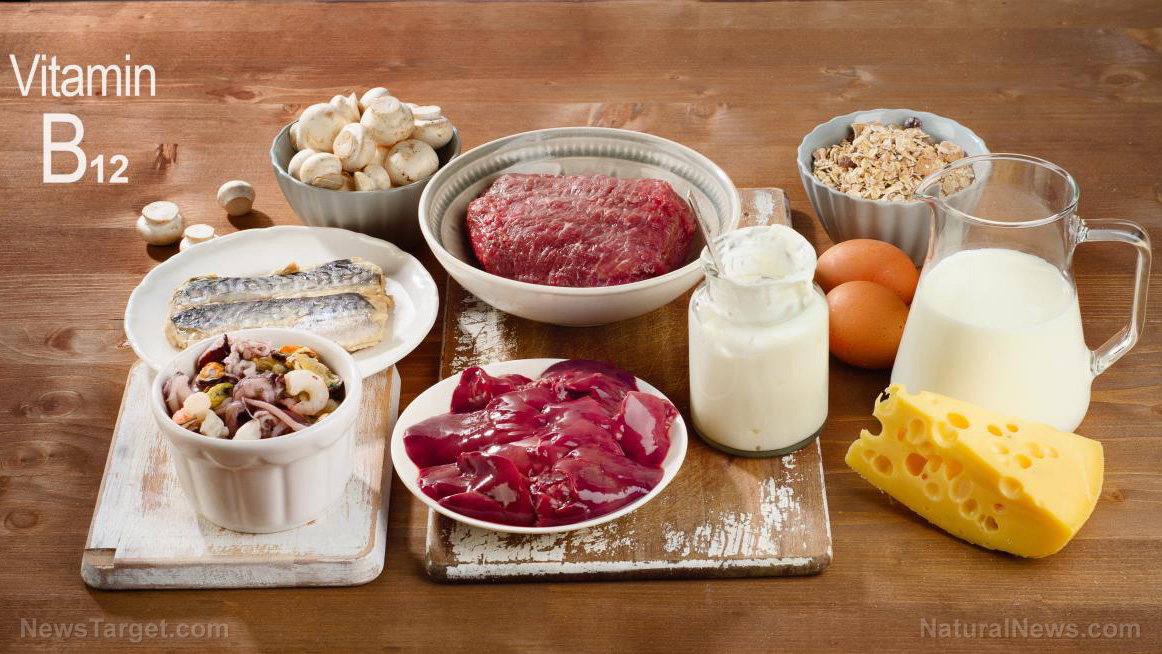
Animal liver from lamb, veal, or beef delivers between 60 and 72.8 micrograms of B12 per serving, along with a dense array of vitamins and minerals that most people pay serious money to replicate in supplement form. Animal kidneys, oysters, mussels, crab, sardines, trout, and salmon all surpass beef in B12 content as well. Each of these foods comes packaged with additional nutrients, omega-3 fatty acids, zinc, selenium, iron, and lean protein, that amplify their health value considerably.
Key points:
- Beef contains 4.8 mcg of vitamin B12 per 3-oz serving, roughly 200% of the daily value, but seven other foods far exceed this amount.
- Clams top the list at 84.1 mcg per serving, delivering 3,504% of the daily value in a single meal.
- Animal liver, including lamb, veal, and beef liver, provides between 60 and 72.8 mcg per serving, making it one of the most nutrient-dense foods available.
- Animal kidneys, oysters, mussels, crab, and fatty fish like sardines and trout all surpass beef in B12 content.
- Vitamin B12 is critical for red blood cell formation, central nervous system function, cognitive health, and mental well-being.
- Vegans and vegetarians are at elevated risk of B12 deficiency without supplementation or fortified foods.
The nutrients hiding in plain sight
Vitamin B12, chemically known as cobalamin, is not a nutrient the human body can manufacture on its own. It must come from diet or supplementation, and its functions are far from trivial. B12 is essential to the production of healthy red blood cells, the maintenance of the central nervous system, and the preservation of cognitive function and mental health. A deficiency in this vitamin can present as fatigue, neurological damage, and even irreversible cognitive decline, conditions that are increasingly common in a population that has quietly drifted away from the most potent dietary sources.
Clams sit at the top of the B12 hierarchy, providing 84.1 micrograms per three-ounce cooked serving, or 3,504% of the recommended daily value for adults. Beyond B12, clams deliver up to 48.6 grams of lean protein per serving, along with vitamin C, folate, calcium, potassium, phosphorus, and polyunsaturated fatty acids that support cardiovascular, immune, and endocrine health. The U.S. Dietary Guidelines have recognized clams as one of the best seafood choices due to their lower methylmercury content, making them appropriate even for children.
Animal liver ranks a close second, with lamb liver offering 72.8 mcg of B12 per three-ounce serving, cooked veal liver providing approximately 72 mcg, and beef liver coming in at 60 mcg. These numbers represent over 2,500% of the daily recommended intake, all from a single modest portion. Liver also delivers protein, magnesium, potassium, selenium, vitamins B3 and A, and folate. While its cholesterol content warrants moderation for individuals with preexisting cardiovascular concerns, the broader scientific consensus now acknowledges that dietary cholesterol's relationship with blood cholesterol is more nuanced than previously understood, and liver remains one of the most complete whole foods available.
Shellfish, fish, and the nutrients mainstream nutrition ignores
Animal kidneys are another overlooked powerhouse. Lamb kidney provides 67.1 mcg of B12 per three-ounce serving, while veal kidney offers 31.4 mcg. These organ meats are also rich in essential amino acids, iron, selenium, zinc, copper, phosphorus, and omega-3 fatty acids, a profile that rivals or surpasses many supplements sold at a premium in health food stores.
Oysters deliver 24.5 mcg of B12 per serving, along with the highest zinc content of any food, more than eight times the zinc found in a comparable serving of beef. Mussels, another mollusk, provide 20.4 mcg of B12 and have been studied for unique bioactive compounds with potential antimicrobial and anti-cancer properties.
Crab rounds out the shellfish category at 9.78 mcg per serving, while fatty fish, particularly sardines at 7.59 mcg, trout at 5.36 mcg, and salmon at 3.8 mcg, all exceed the threshold the American Heart Association recommends for twice-weekly consumption due to their omega-3 fatty acid content and cardiovascular benefits.
Nature has embedded B12 in animal-based foods at concentrations that dwarf what most people recognize, and prioritizing shellfish and organ meats alongside conventional beef can make deficiency not just preventable, but nearly impossible for most omnivores willing to diversify their plates.
Sources include:





Please contact us for more information.