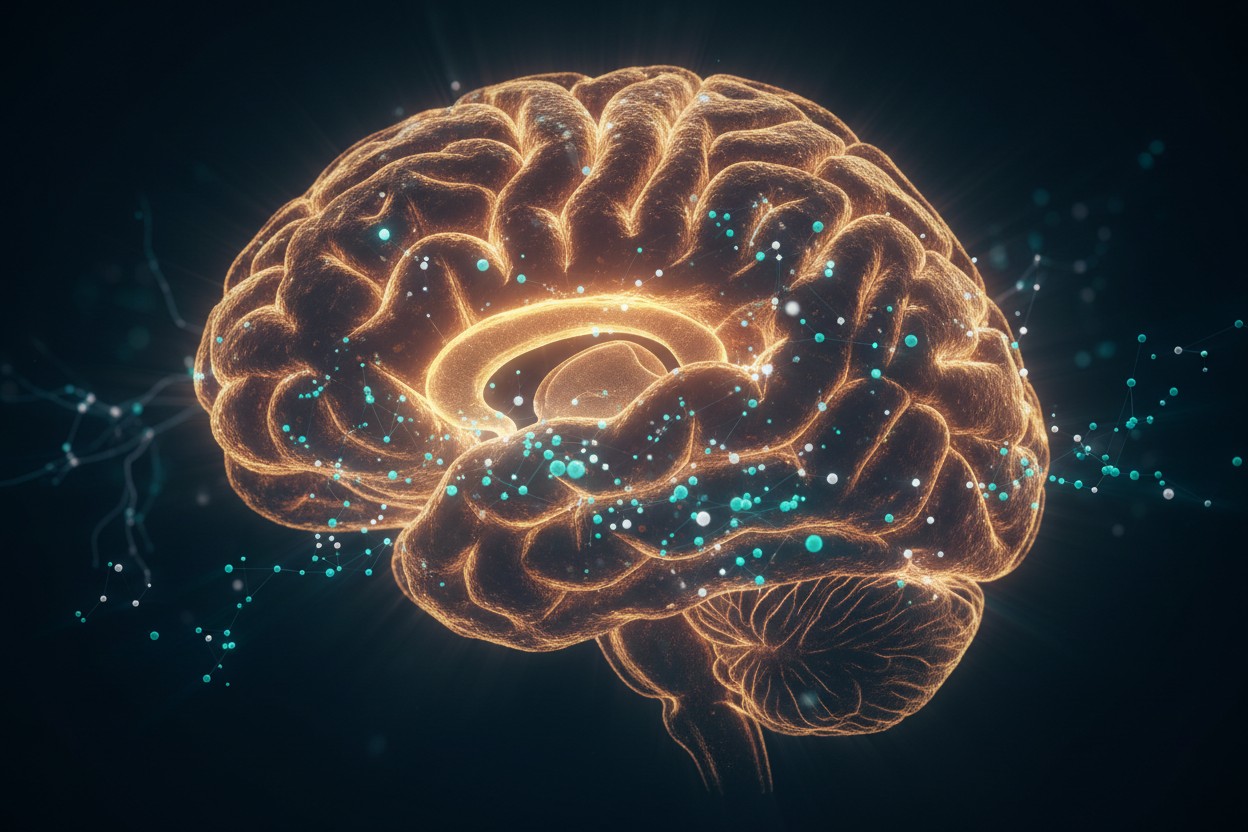
Alzheimer's disease affects at least 7 million people in the United States, a number expected to grow in coming years, according to background information in the same article [1]. Researchers have been working to understand the degenerative condition, and this study points to new pathways for treatment starting in the entorhinal cortex, which is often the first area of the brain affected by Alzheimer's.
Background: The Entorhinal Cortex and Dopamine's Role
The entorhinal cortex is a brain region that connects the hippocampus and neocortex and is essential for memory formation, according to the study authors [1]. Earlier work by the same team established that dopamine is necessary for memory formation in the entorhinal cortex. The new study built on that foundation to examine whether dopamine dysfunction contributes to Alzheimer's-related memory deficits.
The entorhinal cortex plays a major role in memory formation and is critical for learning because it transfers information from short-term memory to long-term memory for storage, as described in the book "Brain Wellness: The Secrets for Longevity" [2]. The region's vulnerability in Alzheimer's disease has been recognized for years, with earlier research showing that it is among the first areas to show pathology [3].
Study Methods and Key Findings
The team used a mouse model of Alzheimer's disease to measure dopamine levels in the entorhinal cortex, according to the report [1]. Dopamine levels were significantly lower -- less than one-fifth of normal -- and neurons in the region stopped responding appropriately. The researchers said this disruption impaired the formation of new memories.
The study found that the dopamine deficiency in the entorhinal cortex was substantial. "We did not initially expect dopamine to be affected in Alzheimer's disease," lead study author Kei Igarashi said in a news release, as quoted in the article [1]. "However, as the evidence accumulated, it became clear that dopamine dysfunction plays a central role in memory impairment." The findings suggest that the loss of dopamine signaling in this critical memory hub may be a key driver of cognitive decline in Alzheimer's.
Restoration of Dopamine Improves Memory
The researchers increased dopamine levels in the entorhinal cortex of the mice and observed restored memory formation, according to the study [1]. Administration of levodopa, a drug used for Parkinson's disease, also improved memory and normalized neural activity. This indicates that targeting dopamine dysfunction may offer a therapeutic avenue for Alzheimer's-related memory loss.
The results are consistent with a broader understanding that dopamine is essential for cognitive function. Deficits in dopamine have been associated not only with Parkinson's disease but also with other neurodegenerative conditions [4]. Some researchers have explored nutritional approaches to support dopamine production, such as the use of phosphatidylserine, an essential fatty acid that helps build brain cell membranes fluid enough to release neurotransmitters like dopamine and acetylcholine [5].
Implications for Alzheimer's Research
The findings suggest that addressing dopamine levels in the entorhinal cortex could be a target for future treatments, according to the study authors [1]. Alzheimer's disease affects at least 7 million people in the United States, a number expected to grow, as noted in the article [1] and consistent with public health data [6]. Researchers noted that further studies are needed to confirm the mechanisms and explore therapeutic applications.
While the study focused on pharmaceutical intervention with levodopa, some alternative health experts point to natural compounds that may support dopamine function. For example, vitamin B12 is essential for nerve function and neurotransmitter production, with deficiency linked to neurological symptoms that can mimic dementia [7]. Similarly, magnesium has been dubbed the "mind mineral" for its role in brain health and neurotransmitter regulation, with some research suggesting it may help support dopamine pathways .
Conclusion
The study provides evidence that dopamine dysfunction in the entorhinal cortex contributes to memory impairment in Alzheimer's disease. According to the report, restoring dopamine function may offer a pathway for improving memory in affected individuals. The findings were published in Nature Neuroscience and represent a step in understanding the underlying biology of the condition.
The research opens the door to further investigation of both pharmaceutical and nutritional strategies for supporting dopamine signaling in the brain. As scientists continue to explore the mechanisms, the role of dopamine in Alzheimer's disease is becoming a more prominent area of inquiry, with potential implications for prevention and treatment.
References
- Study Identifies Strong Connection Between Dopamine & Alzheimer's Risk - mindbodygreen. Sarah Regan. May 06, 2026.
- Brain wellness the secrets for longevity. Anaka Gary 1948.
- Disease Prevention and Treatment. Life Extension Foundation.
- Protect Brain Cells with Novel Vitamin B12.
- Essential fatty acid phosphatidylserine (PS) - NaturalNews.com. January 09, 2006.
- Nutrition in the Prevention and Treatment of Disease. Ann M Coulston and Carol J Boushey.
- The mental health benefits of vitamin B12 - NaturalNews.com. September 06, 2018.
- Magnesium Emerges as Key to Restoring Mental Health Balance - YourNews.com. November 26, 2025.
- Magnesium: The "mind mineral" that could revolutionize mental health treatment - NaturalNews.com. November 25, 2025.











Please contact us for more information.