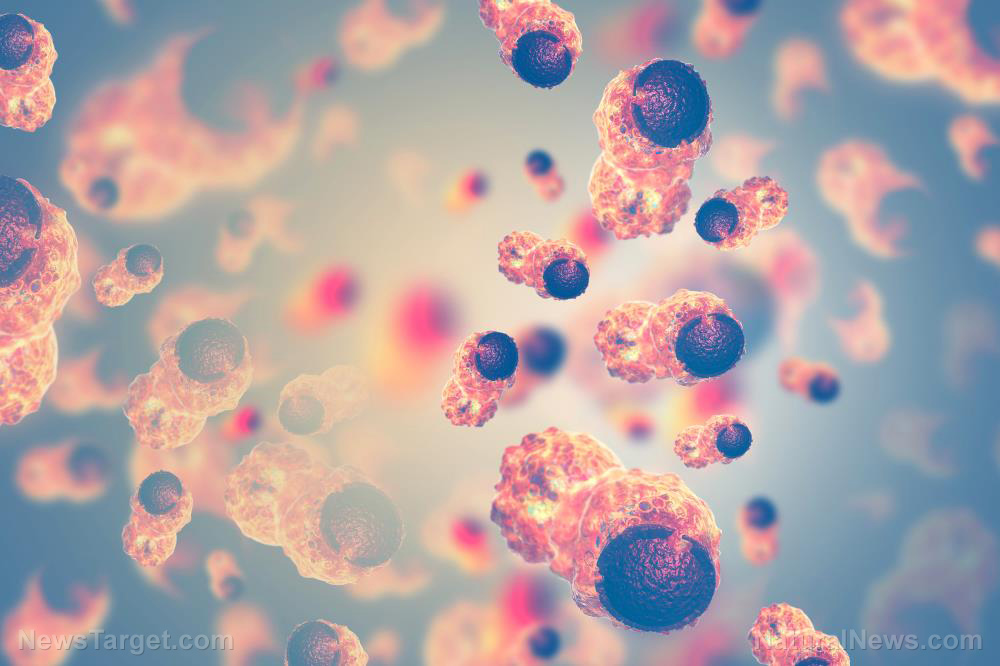
- Cancer is largely preventable through daily lifestyle choices.
- Prevention focuses on five key biological pathways, including immunity and inflammation.
- Chronic stress and poor diet directly fuel cancer cell growth.
- Managing toxin exposure and supporting natural detoxification is crucial.
- This science shifts the focus from fear to actionable, proactive defense.
For decades, the public has been handed a confusing and often frightening narrative about cancer, one that emphasizes uncontrollable genetics and promotes fear-based screening. But a growing scientific consensus is cutting through the noise, revealing a powerful truth: cancer is largely a preventable disease, and the power to reduce risk lies in our daily choices. Researchers are now identifying the specific biological pathways through which cancer develops, turning abstract advice about "healthy living" into a concrete, actionable blueprint for prevention.
The numbers are compelling. The World Health Organization estimates that between 30 and 50 percent of all cancer cases are preventable. "It’s better to prevent than to wait to act until a cancer develops. At that point, it’s often too late," says Dr. Roshan Bastani of the UCLA Jonsson Comprehensive Cancer Center. This shift in understanding moves the focus from late-stage treatment to early, proactive defense, empowering individuals to take control of their health long before a crisis emerges.
The new model centers on five pivotal biological pathways that, when disrupted, create the conditions for cancer to thrive: a weakened immune system, chronic inflammation, insulin resistance, hormonal imbalance, and toxin overload. Each pathway is directly influenced by modifiable lifestyle factors. "There are ways in which the body silences some genes and promotes the action of other genes, and it turns out that the silencing and the promotion of certain genes is influenced by the information the cell takes in, which in turn can be derived from our habits," explains naturopathic physician Dr. Lise Alschuler.
A weakened immune surveillance system
Our immune system constantly patrols for malignant cells. Cancer must evade this surveillance to take root. Daily behaviors like poor sleep, chronic stress, and a nutrient-poor diet can cripple white blood cell function. Conversely, quality sleep, stress reduction, and avoiding tobacco and alcohol protect these critical defenses.
Acute inflammation heals, but chronic inflammation feeds tumors. A sedentary lifestyle, obesity, poor diet, and unmanaged stress keep the body in a perpetual state of alarm. Similarly, a diet high in sugar and refined carbs leads to insulin resistance. "Insulin resistance is a very dangerous situation, a sort of cancer proliferant," Alschuler states. The mechanism is clear: excess insulin and blood sugar provide fuel for rapidly dividing cancer cells. Reversing this pathway through a low-carbohydrate diet, exercise, and weight loss is a proven defensive strategy.
The hormonal pathway, particularly involving estrogen and cortisol, is another lever we can pull. Synthetic xenoestrogens in plastics and personal care products mimic estrogen and drive growth in hormone-sensitive cancers. Meanwhile, chronic stress leads to elevated cortisol. "Stress can actually literally fuel the proliferation of cancer cells," Alschuler warns. Managing exposure to environmental toxins and adopting stress-reduction practices like time outdoors, journaling, and gratitude are direct countermeasures.
Finally, the burden of modern toxins overloads the body's natural detoxification systems. "We can’t control the air we breathe, and the air in most cities is carcinogenic now. But what we can do is we can help our bodies to detoxify what we’re inhaling," says Alschuler. Diet is the primary tool here. A diet rich in colorful plants provides compounds that actively support the liver and enhance the body's ability to neutralize carcinogens.
This biological understanding makes prevention tangible. It moves beyond vague warnings to specific actions: swapping processed foods for whole plants, prioritizing sleep, managing stress, and reducing chemical exposures. As cancer rates rise, even among younger people, this knowledge is not just empowering, it is essential. The old model of passive fear is being replaced by an active, science-backed strategy. The message is clear: your daily habits are not just background noise. They are direct instructions to your cells, and they hold the real power to prevent disease.
Sources for this article include:











Please contact us for more information.