


- UK bans junk food ads on TV before 9pm and online.
- The policy aims to prevent 20,000 childhood obesity cases yearly.
- Complex rules govern 13 food categories but contain loopholes.
- A major loophole allows brand-only ads, weakening the ban's impact.
- The ban is a significant shift but addresses only one factor in obesity.
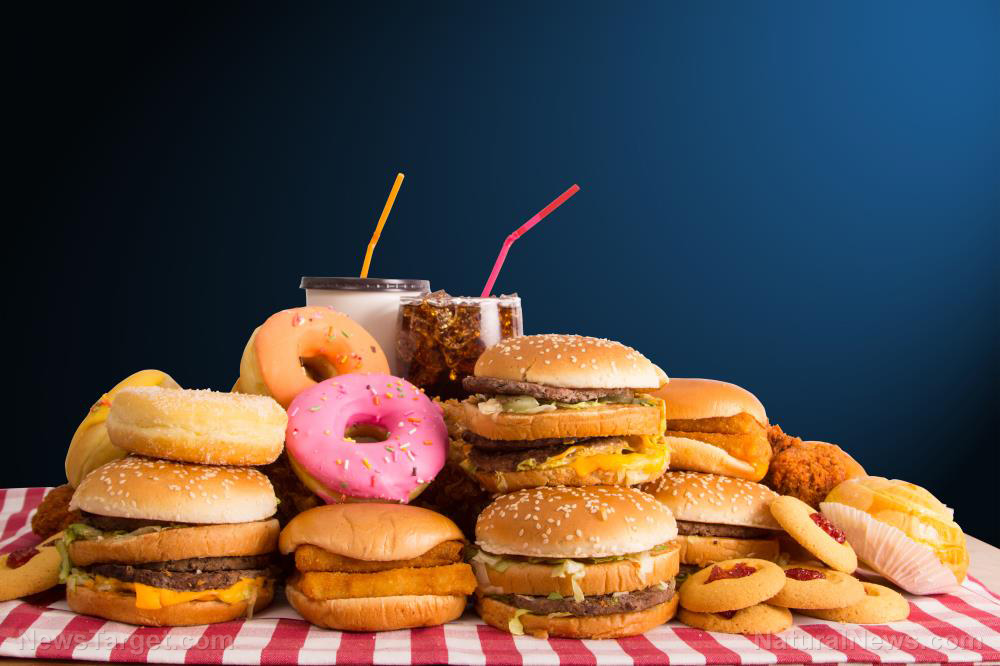
This week, the British government implemented a nationwide ban on advertising for foods high in fat, salt, and sugar on television before 9 p.m. and at any time online. This aggressive regulatory move, now in force across the United Kingdom, directly targets what officials call the biggest drivers of childhood obesity, including soft drinks, chocolates, pizzas, and ice cream. The state claims this single policy will prevent 20,000 cases of childhood obesity annually, a bold assertion that places the full weight of responsibility on the marketing tactics of the food industry rather than on parental choice.
For decades, children in the UK have been under a constant commercial siege. Their screens, both large and small, have been flooded with colorful, energetic ads promoting processed foods scientifically engineered to be hyper-palatable. The government’s own figures paint a serious picture: nearly one in ten children starting school is obese, and around one in five have tooth decay by age five.
A long-awaited intervention
The policy itself has been in the pipeline since 2020, a delayed response to a public health crisis that has been mounting for years. It represents a significant shift toward treating obesity not as a personal failing but as a societal issue influenced by a toxic food environment. The government is betting that reducing exposure to these ads will naturally lead to healthier choices.
However, the path to implementation reveals a labyrinth of compromises and industry pushback. The final rules are complex, governing 13 categories of food. While targeting obvious junk food, they also ensnare some breakfast cereals, sweetened breads and ready meals. Plain oats are exempt, but versions with added sugar or chocolate are not. This complexity highlights the challenge of regulating an industry that has deeply embedded unhealthy products into daily life.
Loopholes and corporate evasion
Critically, the ban contains a major concession to corporate power. Following legal threats from the food industry, the government agreed that companies can still run “brand” advertising before 9 p.m. or online, as long as no “identifiable” unhealthy product is shown. This means a fast-food giant can still broadcast its iconic logos and mascots, building emotional brand loyalty in young minds, even if a specific burger or soda is not visible. Anna Taylor of the Food Foundation campaign group warned, “Legislation permits companies to switch from product advertising to brand advertising, which is likely to significantly weaken impact.”
This loophole underscores a fundamental truth: Big Food is adaptable and relentless. Josh Tilley, a brand strategy director, noted that this flexibility disadvantages smaller businesses that rely on ads to educate consumers about specific products. Meanwhile, large multinationals can fall back on expansive brand campaigns, ensuring their presence in the cultural landscape remains dominant.
The industry’s response has been a masterclass in deflection. The Food and Drink Federation stated its members had been voluntarily complying since October and touted its members’ reformulation efforts, saying products now have “a third of the salt and sugar and a quarter of the calories than they did ten years ago.” Yet, this narrative of voluntary progress ignores the predatory history of marketing that fueled the crisis in the first place. Furthermore, reports indicate companies are simply shifting ad dollars to other unregulated arenas like outdoor billboards, ensuring the commercial pressure on children and families continues unabated.
The historical context here is vital. This advertising ban joins other recent interventions, like limits on junk food promotions in stores, that together mark a decisive turn away from the purely libertarian approach to consumer choice. It follows a pattern seen with tobacco, where public health ultimately demanded curbing corporate speech to protect the vulnerable. The government’s claim of preventing 20,000 obesity cases projects a future where the NHS saves billions and children lead healthier lives.
More changes are needed to curb obesity
Yet, one must question whether tinkering with advertising slots addresses the root cause. These rules do nothing to alter the affordability, availability, or formulation of the unhealthy products themselves, which will still line supermarket shelves. They create a paradox where a company can be forbidden from advertising a sugary cereal on TV but can still manufacture and sell it unchecked. The policy feels like treating a symptom while the disease, a food system profiting from illness, continues to spread.
Ultimately, this ban is a watershed moment, but not a conclusion. It is an admission that the free market, left to its own devices in the realm of children’s health, has failed spectacularly. It places a regulatory fence around one channel of influence, even as the food industry scouts the perimeter for gaps. The real test will be whether this move empowers families to reclaim their dietary sovereignty or merely becomes a footnote in the ongoing struggle between public welfare and corporate profit. The children’s health crisis was built one ad at a time; dismantling it will require far more than changing the channel.
Sources for this article include:








Please contact us for more information.


