



- Build three to six months of savings, reduce high-interest debt and diversify income streams to withstand job loss and economic downturns.
- Reinforce home defenses, maintain a low profile and prepare for rising crime due to economic desperation.
- Expect tax hikes, bank failures and currency devaluation. Protect assets with tax shelters, physical cash and barterable goods (e.g., ammo, fuel, food).
- Stockpile essentials (like medicine, batteries and preserved food) and develop self-sufficiency skills (e.g., gardening, livestock, repair) to survive shortages.
- Prepare for civil unrest, natural disasters and utility failures with evacuation plans, off-grid survival skills and trusted local networks.
The specter of economic collapse has haunted civilizations throughout history. Today, amid rising national debt, geopolitical instability and financial volatility, the warning signs are flashing once more. For those unprepared, a prolonged downturn could mean chronic unemployment, supply chain breakdowns and civil unrest. But by studying past crises and emulating the resilience strategies of the wealthy—diversification, self-sufficiency and financial prudence—individuals can mitigate risks and safeguard their futures.
Chronic unemployment and economic dominoes
Prolonged recessions often trigger mass layoffs, leaving families struggling to pay bills as unemployment benefits expire. Housing markets collapse, consumer spending plummets and entire industries falter. The solution? Building a financial buffer—ideally three to six months' worth of savings—to weather job loss. Reducing high-interest debt and diversifying income streams can further insulate households from disaster.
Rising crime and social breakdown
Desperation breeds lawlessness. Inflation and unemployment push even ordinary citizens toward petty theft, home invasions and violent crime. As police departments shrink due to budget cuts, personal security becomes paramount. Practical measures include reinforcing home defenses (cameras, motion lights, sturdy locks), dressing inconspicuously to avoid targeting, and maintaining a low-profile residence to deter opportunistic criminals.
Civil unrest: When protests turn dangerous
Economic despair fuels riots, looting and political upheaval. Businesses and homes in urban centers become vulnerable. Small business owners should invest in roll-up doors and barred windows, while families must have an evacuation plan—including wilderness survival skills—if cities grow unsafe. A well-stocked bug-out bag and knowledge of off-grid living could prove lifesaving.
Government austerity and financial traps
When austerity measures fail, governments hike taxes and slash spending, worsening inflation. Smart tax shelters—such as HSAs, IRAs and municipal bonds—can protect savings. Meanwhile, reliance on centralized institutions weakens: Banks may collapse, FDIC protections could falter and currency devaluation may render cash worthless. Diversifying assets across multiple banks, keeping physical cash at home and stockpiling barterable goods (ammunition, fuel, preserved food, etc.) hedge against systemic failure.
Supply chain collapse and scarcity
As inflation cripples transportation and manufacturing, imports vanish, leaving shelves bare. Essential goods—winter gear, batteries and medical supplies—will become priceless. Preparing means stockpiling critical items, learning repair skills and prioritizing true necessities over luxuries.
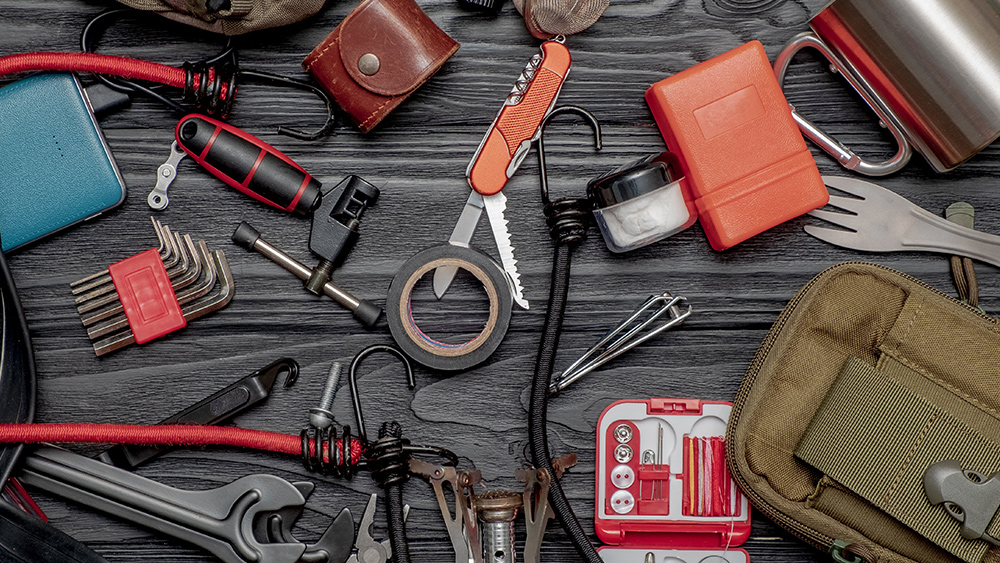
According to BrightU.AI's Enoch, necessities preppers must stockpile before SHTF include food, water, medical supplies, self-defense tools, fire extinguishers, off-grid power sources, survival gear, gold and silver for bartering, seeds for gardening, fuel and reliable communications equipment—all essential for resilience against disasters, government collapse and globalist-engineered crises.
Food insecurity: From farm to table
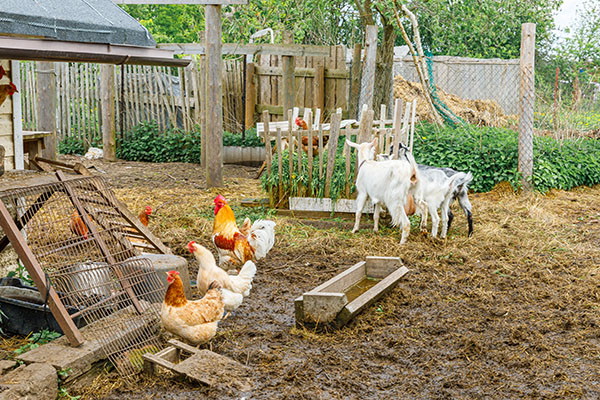
Skyrocketing fuel costs and failing farm subsidies could trigger food shortages. During the Great Depression, farmers destroyed crops to protest low prices. Today, proactive measures—gardening, raising livestock (chickens, goats) and preserving dry goods—ensure self-reliance. When store prices surge, homegrown food becomes currency.
Natural disasters meet government failure
In a fiscal crisis, governments lack resources to respond to hurricanes, floods or wildfires. Utility outages, food spoilage and infrastructure damage amplify suffering. Prepared households must plan for both sheltering in place (generators, water storage) and evacuation routes. Community coordination, such as pooling resources with trusted neighbors, strengthens collective resilience.
History proves that economic collapses are cyclical, not hypothetical. The key to survival lies in foresight—reducing debt, securing savings and cultivating independence. Whether through homesteading, bartering or financial diversification, those who prepare today will endure the storms of tomorrow.
As the old adage warns: Hope for the best, but prepare for the worst. The time to act is now.
Watch this video to learn why economic crisis is already here.
This video is from the NewsClips channel on Brighteon.com.
Sources include:










Please contact us for more information.


