- Two new studies show warning labels help consumers identify and discourage purchase of ultra-processed foods, as federal regulators face industry pushback.
- The FDA and USDA launched a joint initiative in July 2025 to establish a uniform federal definition of ultra-processed foods under the MAHA agenda.
- Ultra-processed foods account for over 60% of calories consumed by American children, linked to 32 adverse health outcomes including obesity and premature death.
- Chile’s stop-sign style warning labels are considered the global gold standard, proven to reduce consumption of sugar-sweetened beverages by nearly 25%.
- Proposed U.S. label design requires consumers to calculate daily value percentages, which experts say is confusing compared to simpler international alternatives.
The fight for food truth
For decades, American consumers have navigated a supermarket landscape where ultra-processed foods—accounting for over 60% of children’s daily calories—remain unlabeled despite mounting evidence linking them to chronic disease. Now, in 2026, a critical battle is unfolding. The FDA and USDA launched a joint initiative in July 2025 under the Make America Healthy Again agenda to establish a federal definition of ultra-processed foods. Two new studies published this month confirm that warning labels help consumers identify these products and reduce purchase intentions. Yet industry opposition, internal administration disagreements, and a proposed U.S. label design that experts call confusing threaten to undermine progress. The question is not whether labeling works, but whether regulators will adopt a standard that truly empowers consumers.
The evidence is clear: Warning labels work
Two randomized controlled trials published in November 2026 demonstrate the effectiveness of ultra-processed food warning labels. The first, appearing in the American Journal of Preventive Medicine, involved 4,107 Latino adults in the U.S. Participants shown a warning identifying a product as ultra-processed correctly classified it 70% of the time, compared to 54% of those shown a barcode. A second study with 3,519 Chilean parents, published in Frontiers in Nutrition, found that adding ultra-processed labels to existing nutrient-based warnings improved identification and reduced purchase intentions.
The Chilean study revealed a crucial insight: Ultra-processed labels had the largest effect on products carrying few or no existing nutrient warnings. This matters because many ultra-processed foods escape current labeling requirements by meeting thresholds for sugar, sodium, or saturated fat, yet remain harmful through other mechanisms—emulsifiers, preservatives and industrial processing that alter food structure and gut health.
The toll on American health is staggering. Ultra-processed foods now account for 62% of calories consumed by children and adolescents, according to CDC data. A 2024 review in The BMJ, drawing on nearly 10 million people, linked these foods to 32 adverse health outcomes including obesity, Type 2 diabetes, cardiovascular disease and premature death.
Global models show what works: Chile’s stop signs lead the way
Chile implemented warning labels in 2016 using black octagons—a shape universally understood to mean stop. Eighteen months later, sugar-sweetened beverage consumption dropped nearly 25%. Studies continue to show Chileans purchasing fewer products high in saturated fat and sodium. Mexico, Israel and Uruguay have followed with similar designs, and more than a dozen nations including Kenya and South Africa have announced plans to implement them.
The U.S. proposed label takes a different approach, featuring a “% Daily Value” box stating whether sodium, added sugar, or saturated fat levels are high, medium, or low. University of California-Davis researchers compared the U.S. design against Chile’s stop signs and other international models. Their verdict: the U.S. label performed worst in helping consumers assess product healthfulness.
“The label is requiring people to do algebra,” said co-author Jennifer Falbe, noting that daily value percentages remain poorly understood even among well-educated shoppers. Consumers typically decide what to buy in minutes while managing stress and competing information—a context where simple visual warnings outperform numeric data.
Corporate opposition and regulatory capture
Food manufacturers argue the science remains unsettled and that regulations could increase costs and expose companies to litigation. At least 12 stakeholder groups met with the White House Office of Management and Budget to discuss the proposed definition. The Consumer Brands Association urges the FDA to maintain its voluntary Facts Up Front labeling scheme, which experts say confuses consumers rather than clarifying choices.
Meanwhile, states are moving ahead without federal action. Texas enacted legislation requiring warning labels on foods containing certain ingredients. Louisiana requires manufacturers to disclose additive information through QR codes. California restricts certain ultra-processed foods served in public schools. A study published in the American Journal of Public Health identified 43 policy proposals targeting ultra-processed foods between 2021 and 2025, with 93% originating at the state level.
This pattern mirrors broader regulatory capture observed across federal agencies. When pharmaceutical and food industry interests shape policy through lobbying and revolving-door appointments, public health suffers. The FDA’s failure to test its proposed design against Chile-style labels—despite decades of evidence supporting simpler warnings—raises concerns about whose interests the agency serves.
Navigating the labeling gap
Until federal regulators establish a uniform definition and mandatory labeling requirements, Americans seeking to avoid ultra-processed foods must decipher ingredient lists themselves. This places an unfair burden on consumers while industry profits from confusion.
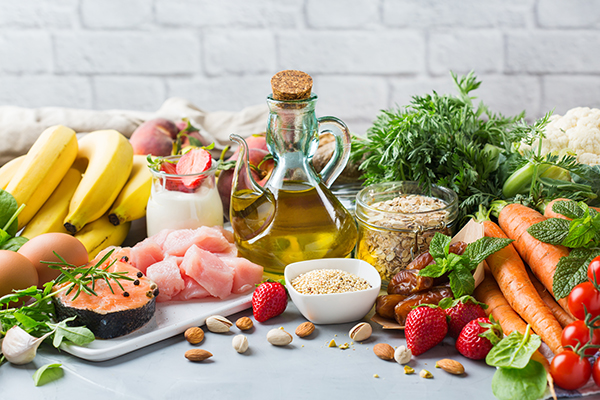
Experts suggest focusing on whole foods: fresh produce, lean meats, small fish, nuts, seeds and legumes. When purchasing packaged foods, look for short ingredient lists with recognizable items. Be wary of products containing emulsifiers, modified starches, artificial sweeteners and preservatives—hallmarks of ultra-processing.
The experience in Chile demonstrates that simple labels work. When warning labels appeared, manufacturers reformulated products to avoid triggering them. This suggests mandatory labeling could simultaneously inform consumers and shift industry practices toward healthier offerings.
A test of regulatory independence
The Trump administration’s MAHA initiative represents a historic opportunity to transform America’s food system and address the root causes of chronic disease epidemics. Yet progress remains stalled by industry opposition and internal disagreements. The proposed U.S. label design requires improvement to match international best practices.
Consumers can submit comments to the FDA’s public docket advocating for simple, interpretive labels modeled on Chile’s stop signs. State-level actions demonstrate that change is possible when political will aligns with scientific evidence.
The science is settled: Ultra-processed foods harm health, and warning labels help consumers make better choices. The remaining question is whether federal regulators will prioritize public health over industry profits—or whether Americans must continue navigating a food system designed to confuse rather than inform.
Sources for this article include:






Please contact us for more information.