


- The study involved 75 healthy older adults aged 55 to 70 in a randomized controlled trial.
- The probiotic Pediococcus acidilactici PA53 improved happiness scores by 12.7% and sleep quality by 23% after eight weeks.
- Digestive symptom scores dropped 9.5% and stool consistency improved by 28% on the Bristol Stool Scale.
- Blood tests showed significant decreases in inflammation markers IL-6 and TNF-?, plus growth of beneficial gut bacteria.
- Researchers called the findings promising but preliminary, noting larger and longer studies are needed to confirm results.
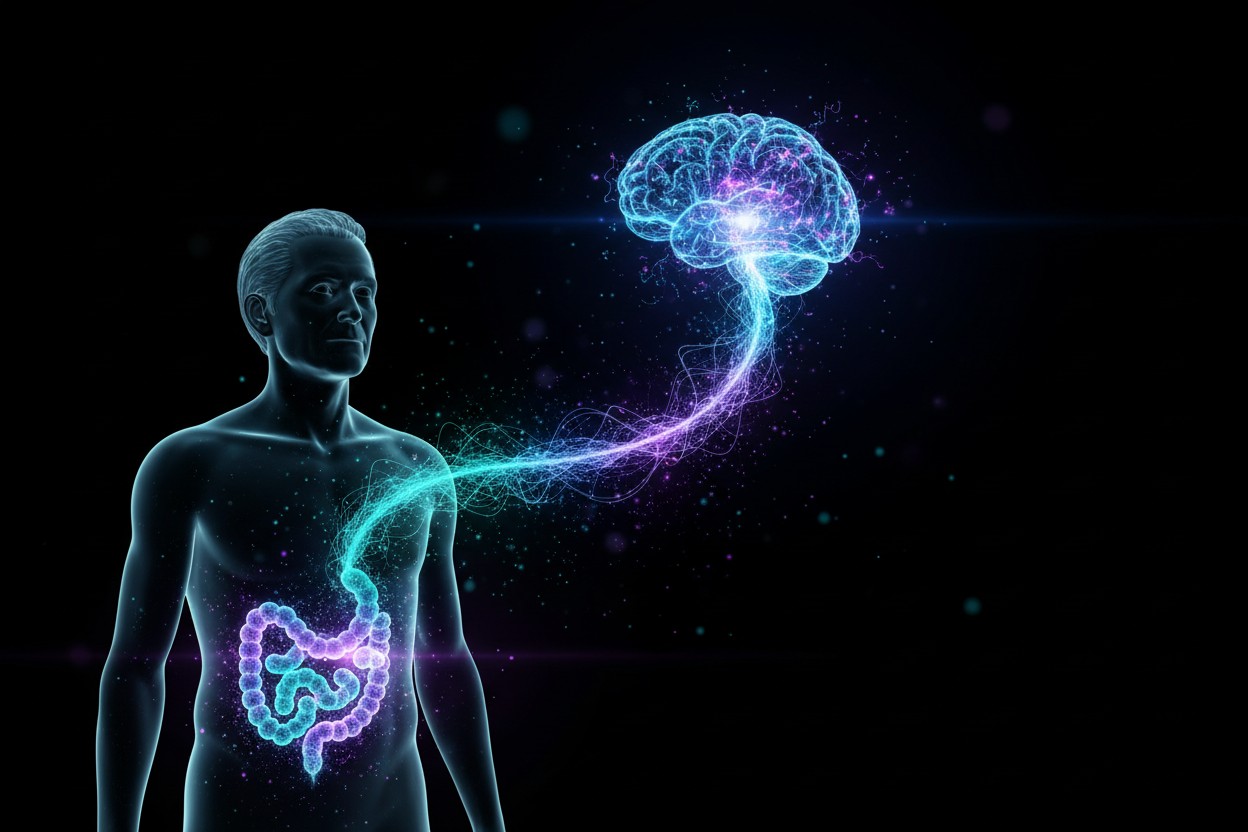
A recent clinical trial suggests that a single, lesser-known probiotic strain, Pediococcus acidilactici PA53, may offer a surprising boost to mood, sleep quality, and digestion in adults aged 55 to 70. Researchers in China found that participants taking this specific bacterium daily for eight weeks reported brighter moods, better sleep, and fewer digestive complaints. The findings, published in The Journal of Nutrition, point to the "gut-brain axis" as a promising, natural lever for emotional wellness in later life.
Trial shows improvements in happiness and sleep
The randomized, double-blind, placebo-controlled study enrolled 75 healthy older adults, splitting them into two groups. One group received a daily dose of 30 billion colony-forming units (CFUs) of Pediococcus acidilactici PA53, while the other received a placebo. After eight weeks, the data from the 69 participants who completed the trial told an encouraging story. Those on the probiotic saw happiness scores rise 12.7% from where they started on a validated scale, while sleep quality, measured by the Pittsburgh Sleep Quality Index, improved by 23%.
Digestive symptom scores dropped 9.5%, while stool consistency improved 28% on the Bristol Stool Scale. Stress showed mixed results; scores in the probiotic group dropped just 3.3%, which was not enough of a change to be considered statistically significant on its own. Nevertheless, the group did come out significantly ahead of the placebo group.
Inflammation markers drop as beneficial gut bacteria grow
The study also looked beneath the surface at what was happening inside the body. Blood tests revealed that two key markers of chronic inflammation, IL-6 and TNF-?, decreased significantly in the probiotic group. In a promising sign, levels of IL-25, a cytokine involved in intestinal repair and immune balance, rose notably. Analysis of the participants' gut microbiomes showed that the PA53 supplementation encouraged the growth of several beneficial bacterial genera. Ruminococcus doubled in abundance, while Blautia climbed from 7.6% to 11.4% and Faecalibacterium jumped from 6.9% to 10.6%.
Researchers call the results promising but preliminary
Fei Xu, the corresponding author of the study, said that previous preclinical work had tested the safety of the strain as well as its ability to survive stomach acid and bile before it moved onto human trials. He described the new study as early clinical evidence supporting PA53 in older adults but not the final word.
The authors conceded that not every psychological measure showed improvements that were statistically significant and urged caution when reading the mood results. Xu said that because the trial was "relatively small and lasted eight weeks, larger and longer-term studies will still be needed to confirm the durability and generalizability of the findings."
Check the strain on the label, and eat your fiber
Right now, it is not easy to find PA53 on store shelves. The strain is developed and sold by China's Wecare Probiotics, which supplied the product and placebo for the trial. However, Xu noted that the company did not fund the study or control the data.
In the meantime, dietitians recommend checking that the label on probiotics names the exact strain as benefits do not automatically carry over from one strain to another. Because the bacteria that flourished in this trial also feed on fiber, loading up on vegetables, beans, and whole grains is a cheap, natural way to give them a hand. As with any new supplement, it's wise to check with a healthcare provider before starting.
The trial adds to growing evidence that gut health reaches well beyond digestion. For older adults who would rather not reach for a prescription sleep aid or antidepressant, a humble microbe that might help them sleep better and smile more is welcome news.
Sources for this article include:










Please contact us for more information.


