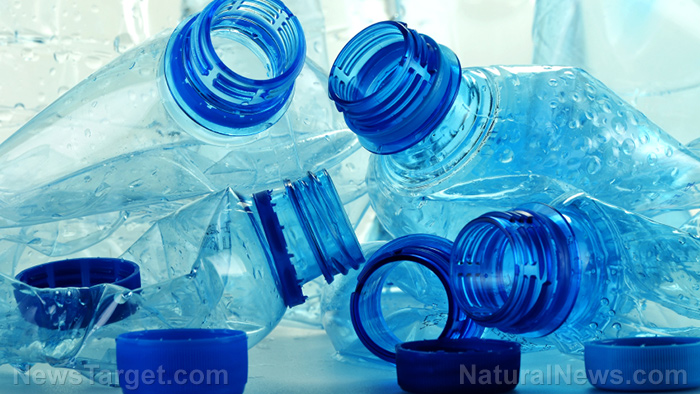
- Scientists developed a method to turn plastic bottles and agricultural waste into edible, protein-rich 3D-printed cookies called µBites.
- The multi-step process uses heat to break down plastic and plant matter, then engineered yeast converts the carbon into proteins and fats.
- Lab tests confirm the cookies are free of toxins, but human taste tests are still pending approval.
- The research aims to address global hunger and plastic pollution, with potential use for astronauts, submariners, and disaster victims.
- Skepticism remains over whether people will accept food derived from plastic slurry as a substitute for natural, whole-food solutions.
Scientists at Southern Illinois University Carbondale have developed a way to convert discarded plastic bottles and agricultural waste into edible, protein-rich cookies in a breakthrough they believe could one day feed astronauts, submariners, or disaster victims. The findings were presented Monday by Sandhya Jayasekara, a graduate research assistant on the team led by associate professor of microbiology Lahiru Jayakody, at the American Chemical Society's fall meeting in Chicago.
The project, which began in 2021, was initially designed for NASA's Deep Space Food Challenge. The result is a small, 3D-printed cookie dubbed a "µBite," which researchers are still awaiting university approval to taste-test. The intention of tackling food insecurity and plastic pollution is noble, but eating food derived from processed plastic slurry still raises real questions about how far we're willing to stray from natural, whole-food solutions.
From trash to dough: More than 30 steps to make one cookie
The process involves more than 30 steps by the team's own account. First, researchers break down polyethylene terephthalate (PET) plastic (the material in most water bottles) along with leftover agricultural matter like corn stalks, using intense heat, oxygen, and water in a process called oxidative hydrothermal dissolution to produce a carbon-rich liquid. That liquid is fed to engineered yeast strains, which metabolize the carbon into proteins, fats, and acids. Other strains add flavor and color — vanillin for vanilla notes, beta-carotene for an orange hue and vitamin A. Starch, fiber, and natural sweeteners form the dough, which is loaded into a 3D food printer, shaped, and finished in a microwave.
Lab tests are done, but no one has tasted a µBite yet
"We have comprehensively analyzed the food products we created in the lab, as well as through accredited third-party laboratories, to ensure µBites cookies are free from toxic chemicals, heavy metals, allergens, and food pathogens," Jayakody told ScienceAlert. Human taste tests remain pending "simulated digestive studies and other necessary analyses," he said.
Blind sensory tests suggest the cookies smell pleasant and have a nice texture, but eating a cookie made from a plastic bottle is a hard sell regardless of how thoroughly it's been broken down and reengineered. The real question may not be whether it's safe on paper, but whether people ever accept it as a substitute for food grown the old-fashioned way.
A response to plastic's spread through the human body
The research arrives as scientists pay closer attention to how plastic already enters the human body unintentionally. A 2025 Nature Medicine study identified microplastics in the liver, kidneys, and brain, and a review released last month found the particles in blood, the placenta, and heart tissue. Researchers have linked microplastic exposure to inflammation, oxidative stress, and cellular damage that can interfere with metabolism and immune response, although scientists say the long-term human health effects remain unclear.
Jayakody calls microbial food production the answer to global hunger. "Global food demand is expected to rise 35 to 56 percent by the year 2050, and about 30 percent of the world population will be at risk of hunger in the future," he said. "The way to address that, I believe, is by using microbes." The process currently converts roughly half the waste carbon into food, with hopes of nearing full conversion in future versions.
Why skepticism remains despite NASA backing
The team touts potential uses in submarines, disaster zones, and someday the lunar surface, although they admit microgravity remains a major unsolved hurdle. But is this really a solution, or a step toward a future where people are expected to eat their own trash to survive? There's something deeply unnatural about bypassing the soil, the sun, and the farm; real food grown in a real ecosystem remains the standard worth defending, and a 3D-printed cookie made from plastic slurry, however cleverly engineered, is a poor substitute for a tomato pulled from the garden. Jayasekara said the team is working to make the cookies more appealing to everyday consumers rather than a last-resort ration, but whether anyone outside a lab or a launchpad will actually want one remains an open question.
Sources for this article include:







Please contact us for more information.