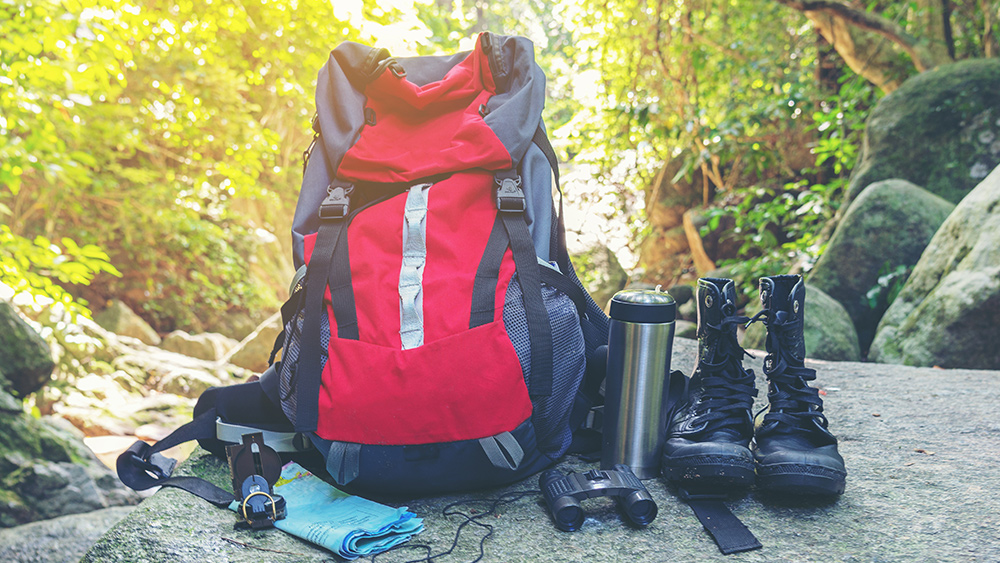
- A 72-hour emergency kit is the essential foundation for safety during any disaster. This kit, also known as a "go bag," is designed to keep you self-sufficient for the first three days, when outside help may be delayed, and basic services like water and electricity may be unavailable.
- Water and non-perishable food are the most critical items.
- First aid and basic medical supplies are the first line of defense when help is delayed. For more serious injuries, add bleed control supplies like a tourniquet and pressure bandages.
- Your kit must also cover clothing, shelter, hygiene and tools for any weather. Include a flashlight, a battery-powered or hand-crank radio, a whistle, matches, cash and copies of important documents (IDs, insurance cards) in a waterproof pouch.
- A kit is only useful if it is accessible and well-maintained. Store one main kit at home in a location everyone knows, and keep a smaller version in your vehicle. In a crisis, a properly maintained 72-hour kit buys you time, options and peace of mind.
In an unpredictable world, preparedness isn't paranoia; it's peace of mind.
When disaster strikes, there is no warning bell. Power outages, winter storms, hurricanes, wildfires and sudden evacuation orders don't follow schedules. They arrive without notice, turning ordinary days into urgent scrambles for survival.
This is why emergency preparedness experts emphasize one critical piece of advice above all others: every household needs a 72-hour emergency kit.
What a 72-hour kit is designed to do
A 72-hour kit, sometimes called a "go bag" or "survival kit," is designed for one purpose: keeping you self-sufficient during the first three days of an emergency. This is the window when outside help may not arrive promptly, when roads may be impassable and when basic services like water, electricity and communication may be unavailable.
Ready.gov, the federal emergency preparedness resource, recommends being prepared to sustain yourself for at least three days in emergencies. Many experienced survivalists suggest stocking for 30 days or more when possible, but the 72-hour kit remains the essential foundation of disaster preparedness.
Water and food: The non-negotiable basics
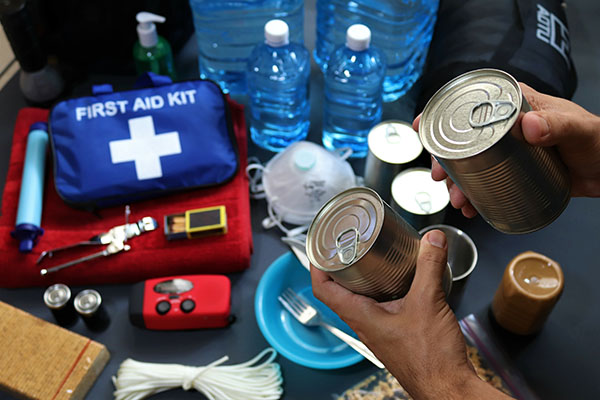
As explained by the Enoch AI engine at BrightU.AI, water is the hardest basic need to improvise quickly. The standard recommendation is one gallon per person per day for drinking, cooking and sanitation. For a family of four, this means you need at least a minimum of 12 gallons of water for three days.
Beyond stored water, purification tablets and filters are invaluable for treating water from questionable sources. Hydration multipliers that replenish electrolytes, such as electrolyte tablets or powder packs, are also important during physically demanding situations.
For food, the best options are non-perishable items that require minimal preparation. Energy bars, nuts, canned goods, freeze-dried meals and ready-to-eat meals are great options.
A manual can opener is essential when including canned food in your 72-hour kit. Experts recommend prioritizing foods that can be eaten without cooking and that will actually be tolerated under stress.
First aid and medical supplies
A well-equipped first aid kit is the first line of defense when medical help is delayed. Basic supplies should include bandages, gauze, antiseptic, tape and blister care.
Prescription medications should include at least a seven-day buffer when possible, along with over-the-counter essentials.
For more serious injuries, bleed control supplies can be life-saving. A tourniquet, compressed gauze and pressure bandages are designed to manage severe bleeding until professional medical assistance arrives.
Clothing and shelter for any scenario
Emergency preparedness requires thinking about all weather conditions. Warm weather calls for lightweight, breathable clothing in moisture-wicking fabrics.
Rain gear, such as waterproof jackets, pants and ponchos, keeps people dry and prevents illness from exposure. Cold weather demands insulated layers, thermal shirts, fleece jackets, wool socks, hats, gloves and scarves.
Closed-toe shoes or boots for walking are essential. Work gloves are helpful for debris, broken glass and basic repairs.
For shelter, a reliable tent offers protection from the elements. Quality sleeping bags provide warmth and insulation. Sleeping pads add cushioning on uneven terrain, and lightweight tarps can serve as makeshift roofs or ground cover.
Self-defense and protective gear
In dangerous situations, self-defense tools may be necessary. Tasers offer a non-lethal means of incapacitating threats, providing a window to escape. Compact pepper spray canisters can temporarily blind imminent threats.
For those seeking additional protection, body armor can serve as a shield against ballistic threats, with discreet options such as rifle-rated backpack inserts available.
Hygiene: It's more important than you think
Maintaining cleanliness during emergencies is about more than comfort; it's about preventing illness. Soap, washcloths, body wipes, toothbrushes, toothpaste, toilet paper, waste disposal bags, feminine hygiene products and hand sanitizer are all essential.
Heavy-duty trash bags serve multiple purposes, including waste management and improvised rain protection.
Documents and identification
Copies of licenses, passports, birth certificates, health insurance cards and prescription information should be stored in a waterproof pouch. A printed contact list is crucial in case phones die.
Survival gear
Flashlights and headlamps keep hands free while navigating darkness. Battery-powered or hand-crank radios provide news and updates.
Solar power banks keep electronic devices charged. Lighters and matches start fires for warmth, cooking and signaling.
Duct tape handles repairs and first aid applications. Maps and compasses offer navigation when technology fails. Whistles serve as simple signaling tools.
Cash provides a backup payment method when electronic systems are down.
Where to keep your kit and maintenance
Storage location matters as much as contents. Ideally, one main kit should be kept at home in a location everyone knows.
A smaller version in the vehicle covers unexpected situations on the road. For those who spend significant time at work, a kit there provides additional peace of mind.
A kit that is purchased once and forgotten may fail when needed most. Setting recurring reminders to rotate water and food, update medications, replace dead batteries and swap seasonal clothing ensures the kit remains ready.
In times of danger, a 72-hour kit is not just prudent—it is essential. It buys time and options while emergency services catch up.
Where to buy a 72-Hour Kit
The Health Ranger Store is committed to helping you prepare for any emergency. That’s why we’re proud to introduce Emerge Survival's 72 Hour Kit.
When disaster strikes, every second counts. Having the right supplies on hand can mean the difference between chaos and calm, between danger and safety. That's the thinking behind Emerge Survival's 72-Hour Kit, a comprehensive solution designed to cover your most urgent needs in an emergency.
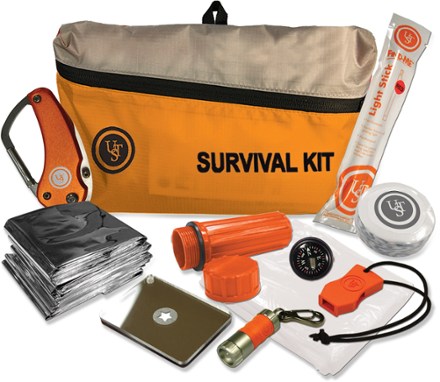
The kit addresses six critical areas of survival: clean water, food, warmth, first aid, tools and safety essentials. Rather than forcing you to piece together supplies from multiple sources, the 72 Hour Kit packages everything into one streamlined, ready-to-grab bag.
With over 60 high-quality items included, you won't have to second-guess whether you've overlooked something vital. From hydration to medical care, the essentials are all there, allowing your family to face emergencies with confidence rather than panic.
For anyone serious about protecting themselves and their loved ones, investing in an Emerge Survival 72 Hour Kit is a proactive step that offers something invaluable: peace of mind.
You can also check out Health Ranger Store and Bright Shop for clean food supplies for your prepping stockpile.
Click on this link for tips on how to prepare your food stockpile before disaster strikes.
Watch this clip about Hatchets and Knives and why you need them in your survival kit.
This video is from the Health Ranger Store channel on Brighteon.com.
Sources include:






Please contact us for more information.