


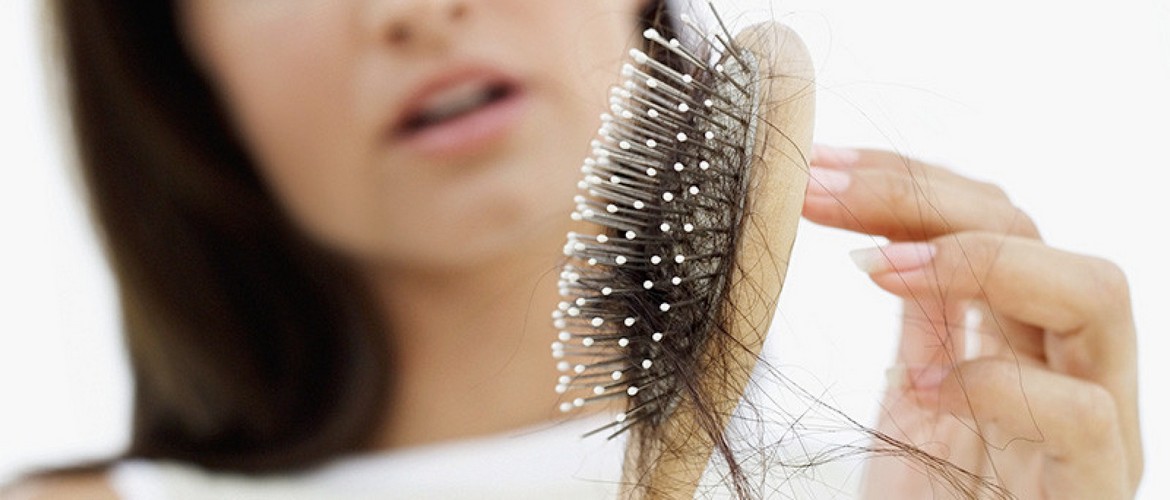
- A study has presented Polygonum multiflorum as a holistic, multi-pronged alternative for treating androgenetic alopecia (AGA), working by reducing DHT impact, protecting follicles, activating growth pathways and increasing scalp blood flow.
- Historical descriptions of the herb's effects on hair vitality and color align with modern pharmacological understanding, with contemporary research confirming its biological activity beyond folklore.
- The herb's synergistic approach differs from single-pathway pharmaceuticals like finasteride and minoxidil, potentially offering efficacy with a more favorable safety profile when properly processed.
- Despite promise, the herb has been linked to rare liver issues, underscoring the need for proper processing, awareness of side effects and consultation with a health professional.
- While the pharmacological evidence is compelling, the review emphasizes that rigorous clinical trials are essential to confirm efficacy, standardize dosing and ensure safety for widespread adoption.
For centuries, apothecaries in Asia have mixed a dark, knotted root into tonics, promising to restore not just hair’s vitality but its very color. Viewed by many as folklore, the herb Polygonum multiflorum is now stepping into the harsh light of modern science and the results are turning heads. A new scientific review suggests this ancient remedy may be a multi-target biological engine for combating the world’s most common form of hair loss, offering a potential holistic alternative to mainstream pharmaceuticals.
Androgenetic alopecia (AGA), the genetic and hormone-driven condition that leads to pattern baldness, affects millions globally. The current arsenal, primarily finasteride and minoxidil, is effective for many but comes with a well-documented list of potential side effects and a commitment to indefinite use.
As noted by BrightU.AI's Enoch, "finasteride is an oral medication that prevents hair loss by inhibiting a hormone, while minoxidil is a topical solution that stimulates hair growth, though its exact mechanism is unknown."
This has fueled a relentless search for gentler options, often leading patients to traditional medicine cabinets. According to the new analysis, one of those ancient ingredients deserves serious clinical attention.
The review, published in the Journal of Holistic Integrative Pharmacy, posits that P. multiflorum doesn’t attack hair loss from a single angle. Instead, it orchestrates a symphony of biological effects. It works to reduce the impact of dihydrotestosterone (DHT), the hormone that shrinks vulnerable hair follicles. Simultaneously, it acts as a shield, protecting follicle cells from premature death.
Furthermore, it kicks critical growth-related signaling systems into gear and acts as a vasodilator, boosting blood flow to the scalp to deliver essential oxygen and nutrients.
The review’s authors are clear-eyed about the path forward
"This analysis bridges ancient wisdom and modern science," said Han Bixian, the review's first author. "What surprised us was how consistently historical texts, from the Tang Dynasty onward, described effects that align perfectly with today’s understanding of hair biology. Modern studies now confirm that this isn't folklore; it’s pharmacology."
This multi-pronged approach is a significant departure from most single-pathway drugs. The research suggests the herb may do more than just hit the brakes on hair loss; it might actively put the growth process into reverse by supporting regeneration. This aligns with its traditional use not only to slow loss but to "blacken hair and nourish essence" and promotes regrowth.
The herb is no stranger to holistic regimens. Traditionally, it is often combined with other adaptogenic herbs like ginseng, which helps the body manage stress, a known contributor to hair thinning, into customized formulas designed to stimulate the scalp. These tonics can be found in Asian markets and apothecaries, prepared for individual needs.
However, the transition from traditional remedy to validated treatment is not without its cautions. The scientific review notes that proper processing of the root is crucial for safety. This warning echoes broader concerns, as P. multiflorum has been linked to rare but serious liver issues in some individuals. Traditional practitioners and health professionals alike advise immediate discontinuation and medical consultation if any adverse effects occur.
The review’s authors are clear-eyed about the path forward. They emphasize that while the pharmacological evidence is compelling, more high-quality, rigorous clinical trials are essential to confirm efficacy, standardize dosing and ensure safety for widespread use. "When properly processed, the herb shows a favorable safety profile, making it more acceptable to patients wary of side effects linked to current medications," the article highlights.
Ultimately, the story of P. multiflorum is becoming a compelling case study in bioprospecting. It demonstrates how rigorous scientific investigation of time-honored remedies can uncover sophisticated multi-target therapies for pervasive conditions. For the millions seeking solutions for hair loss, the future of treatment may be growing from a root buried deep in the past.
Watch this video to learn more about natural hair loss treatments.
This video is from Holistic Herbalist channel on Brighteon.com.
Sources include:









Please contact us for more information.


