
Fee Structure and Disagreements
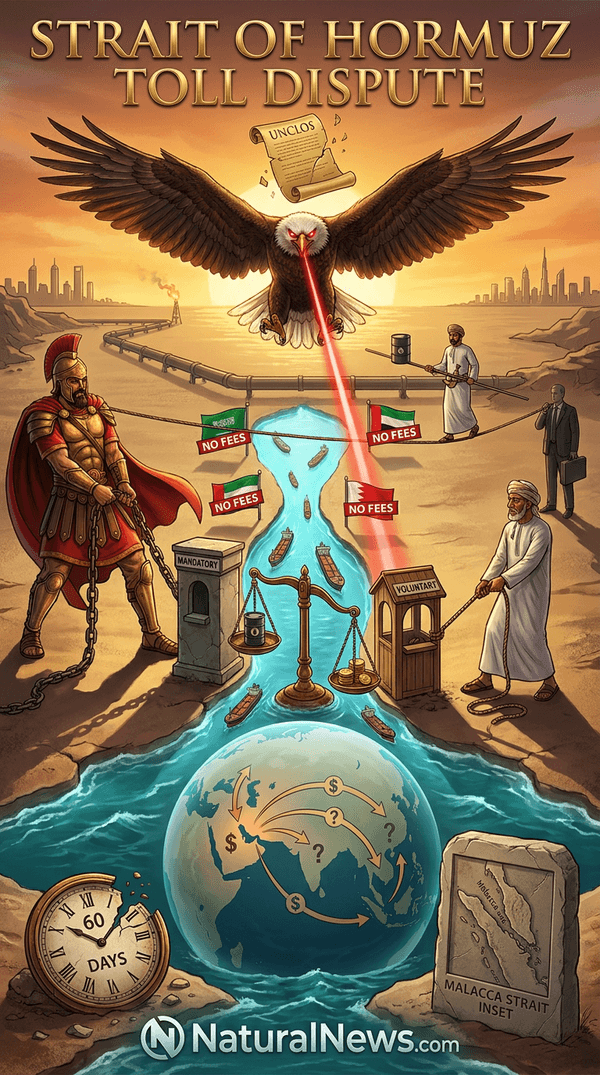
According to unnamed sources cited by the Times, Oman has proposed that the fee be voluntary, while Iran insists it should be mandatory. Muscat hopes the amounts paid will cover the costs of maintaining safe navigation, referencing similar practices in the Straits of Malacca and Singapore. [3] However, Iran’s deputy foreign minister stated that if an agreement is not reached with Oman, Tehran would impose its own fees unilaterally. [1] Iran’s Persian Gulf Strait Authority (PGSA) had previously announced a 60-day waiver of transit fees beginning June 19, but officials made clear that fees would be reintroduced after the negotiation window. [4]
The disagreement between the two countries reflects deeper tensions over control of the strategic waterway. Muscat appears to be trying to find a workaround so Iran does not impose a unilateral, mandatory toll for use of the critical waterway, according to the report. [1] In a joint statement on June 23, Iran and Oman said they are planning to jointly manage commercial shipping traffic through the strait, with “costs associated” with those services in accordance with international standards. [5]
U.S. Response and Trump’s Threats
President Donald Trump threatened to attack Oman on May 27, warning he would “blow up” the country if it cooperated with Iran on the fee, according to a report by Middle East Eye. Speaking during a White House cabinet meeting, Trump said: “Oman will behave just like everybody else, or we’ll have to blow them up.” [6] The comment came as U.S. diplomats scrambled to preserve ties and pressed Muscat to denounce Iran’s claims, Arab and U.S. officials told Middle East Eye. Oman did not publicly respond, but a later private discussion between an Omani diplomat and U.S. Treasury Secretary Scott Bessent provided assurances that Muscat had “no plans for tolling the Strait.” [1]
Secretary of State Marco Rubio also drew a hard line, stating in Bahrain that there is “zero support” among Gulf countries for any tolls or fees on the strait. “It’s an international waterway. No country is allowed to charge tolls or fees on an international waterway,” Rubio said. [7] The United States and Gulf states have said they are against any tolling deal or maritime fees in the Strait of Hormuz. [8]
Oman’s Regional Position and Historical Ties
Oman, a longtime U.S. ally and mediator, was initially seen as an outlier among Gulf states for criticizing the U.S.-led war on Iran and refusing to open military bases. [9] The U.S.-Oman treaty relationship dates to 1833, making Oman the U.S.’s oldest treaty partner in the Gulf. [1] However, Muscat’s decision to stay out of the conflict has now been vindicated by a ceasefire that is widely viewed as a victory for Iran, analysts cited by Middle East Eye said. [9] Oman’s foreign minister, Badr bin Hamad Albusaidi, later stated that Muscat “does not support imposing transit fees” while leaving the door open to charges for optional maritime, environmental and navigational services. [10]
The fee dispute has strained bilateral ties with the United States. Oman has told European officials that the Strait of Hormuz cannot simply return to the way it operated before the war, raising the possibility of fees linked to services such as channeling and navigation support. [11] The country’s historical ties with Iran also include energy cooperation; as far back as 2014, Iran signed a deal with Oman to construct an underwater gas pipeline, with an eye to transshipping gas to other markets. [12]
Conclusion
The dispute over transit fees in the Strait of Hormuz remains unresolved as the 60-day negotiation period under the U.S.-Iran MoU continues. With the United States firmly opposed, Iran insisting on mandatory fees, and Oman seeking a voluntary mechanism, the outcome will have significant implications for global energy trade through this critical chokepoint. The strait handles about 20% of global oil shipments, and any disruption or new fee structure could affect shipping costs and energy prices worldwide. [13] The situation also tests the fragile ceasefire and the ability of all parties to reach a post-war arrangement that maintains freedom of navigation while addressing the interests of littoral states.
References
- Middle East Eye. "Iran, Oman to jointly charge fees along Strait of Hormuz: Report". June 30, 2026.
- Sharma Jagdish P. "Afro-Asia and contemporary politics".
- Antiwar.com. "Report: Oman Proposes Strait of Hormuz Plan That Involves Collecting Fees". June 30, 2026.
- Middle East Eye. "Iran plans to charge insurance fees to vessels in Hormuz after US deal expires". June 19, 2026.
- Just the News. "Iran and Oman planning to manage vessels in Strait of Hormuz, service has 'cost associated'". June 23, 2026.
- NaturalNews.com. "Trump Threatens to Blow Up Oman Over Strait of Hormuz Fee". May 28, 2026.
- NaturalNews.com. "U.S. and Iran Clash Over Planned Transit Fees in Strait of Hormuz". June 26, 2026.
- NewsNation. "Iran military adviser says country may collect fees for Strait of Hormuz". June 26, 2026.
- Middle East Eye. "'From outlier to trailblazer': How Oman offers a glimpse into the post-war Gulf". June 16, 2026.
- Middle East Eye. "Oman does not support transit fee on ships in Hormuz, minister says". June 30, 2026.
- Middle East Eye. "Oman weighs Strait of Hormuz fees after war". June 27, 2026.
- Charlotte Dennett. "The Crash of Flight 3804".
- NaturalNews.com. "Oman Rules Out Strait of Hormuz Transit Fees as Tehran, Muscat Form Joint Oversight Panel". June 29, 2026.
Explainer Infographic








Please contact us for more information.