








- Found in blood, breast milk and brain tissue, microplastics are linked to cancer, infertility, heart disease and neurodegenerative disorders like Parkinson's and dementia.
- A $144M federal program to measure, research and remove microplastics from human tissues, aiming for breakthroughs in detection and detoxification within five years.
- Aligning with Trump's "Make America Healthy Again" agenda, the EPA will regulate microplastics and pharmaceuticals under the Safe Drinking Water Act.
- Studies show 93% of bottled water contains microplastics and bottle-fed babies ingest alarming amounts from plastic baby bottles.
- Microplastic-related illnesses cost the U.S. healthcare system $250 billion in 2018, underscoring the urgent need for systemic action against plastic pollution.
In a landmark announcement on April 2, Health Secretary Robert F. Kennedy Jr. unveiled a $144 million federal initiative aimed at tackling the growing crisis of microplastic contamination in the human body. The Systematic Targeting Of MicroPlastics (STOMP) program, spearheaded by the Advanced Research Projects Agency for Health (ARPA-H), will focus on measuring, researching and ultimately removing microplastics and nanoplastics from human tissues.
"We are not dealing with a distant or theoretical risk," Kennedy declared at a press conference. "We are dealing with a measurable and growing presence inside the human body."
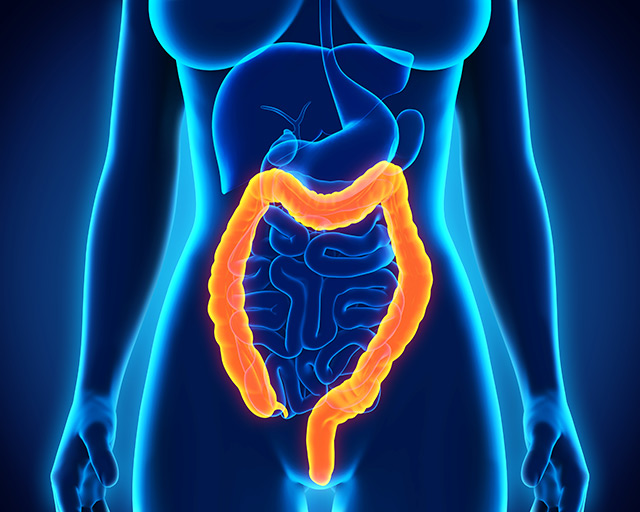
Microplastics—tiny plastic particles less than five millimeters in length—have infiltrated nearly every corner of the planet, from the deepest ocean trenches to the air we breathe. Recent studies have detected them in human blood, breast milk and even brain tissue, raising urgent concerns about their long-term health effects. Linked to cancer, hormone disruption, infertility, heart disease and neurodegenerative disorders like Parkinson's and dementia, microplastics pose a silent yet pervasive threat to public health.
The STOMP initiative: A five-year plan
The STOMP program will unfold in two phases. The first will focus on developing precise clinical tests to quantify microplastic levels in the human body. "We cannot treat what we cannot measure," Kennedy emphasized. "We cannot regulate what we don't understand."
Phase two will investigate how microplastics accumulate in organs, breach cellular barriers and disrupt biological functions. Crucially, researchers will also explore methods to safely remove these particles from the body. Alicia Jackson, director of ARPA-H, promised that STOMP would achieve in five years what decades of scattered research has failed to accomplish: "We will create a definitive shared scientific foundation, gold-standard measurement, mechanistic understanding and ultimately, targeted removal."
EPA joins the fight
In tandem with STOMP, the Environmental Protection Agency (EPA) announced it would designate microplastics and pharmaceuticals as priority contaminant groups under the Safe Drinking Water Act. EPA Administrator Lee Zeldin stated that this decision marks a turning point in addressing plastic pollution in water supplies.
"For too long, Americans have been ignored as they sound the alarm about plastics in their drinking water," Zeldin said. "This ends today." The move aligns with the Trump administration's Make America Healthy Again agenda, reinforcing efforts to safeguard public health from industrial toxins.
The EPA's draft contaminant candidate list also includes per- and polyfluoroalkyl substances (PFAS), pharmaceuticals and disinfection byproducts—all of which have been linked to severe health risks.
A crisis decades in the making
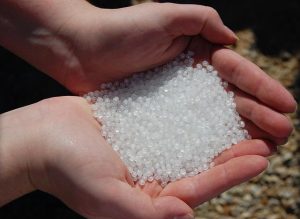
Microplastics originate from two main sources: primary microplastics, such as synthetic clothing fibers, microbeads and plastic pellets and secondary microplastics, which result from the breakdown of larger plastic waste like bottles and packaging. These particles persist in the environment for centuries, accumulating in marine ecosystems, soil and even the air.
Bottle-fed infants face particularly high exposure, with microplastics leaching from plastic baby bottles. Shockingly, a recent study found microplastics in 93% of bottled water—a grim reality for consumers seeking refuge from contaminated tap water.
Beyond ingestion, microplastics act as carriers for toxic chemicals, including endocrine disruptors and antibiotic-resistant bacteria. Once inside the body, their small size, shape and surface charge enhance their toxicity, making them far more dangerous than previously understood.
Innovative solutions—but are they enough?
Scientists are scrambling to develop solutions, from magnetic extraction of microplastics in water to enzymatic recycling techniques that break plastics down into reusable molecules. However, these methods remain experimental, with practical applications years away.
On the ground, innovations like the Hoola One beach vacuum—capable of capturing particles as small as 0.05 mm—offer hope. Yet, without systemic change, such efforts may prove futile against the tidal wave of plastic pollution.
What can you do?
While federal agencies mobilize, individuals can take steps to minimize exposure:
- Avoid plastic packaging—opt for glass or stainless-steel containers.
- Filter tap water—reverse osmosis systems can reduce microplastic contamination.
- Choose natural fabrics—synthetic clothing sheds microfibers with every wash.
- Support legislative action—demand stricter regulations on plastic production and waste.
The economic toll
The health consequences of microplastics are already straining the U.S. healthcare system, with an estimated $250 billion spent in 2018 alone on related illnesses. Without intervention, costs will skyrocket as microplastic-linked diseases proliferate.
Kennedy's warning rings clear: "This is not a future problem—it's happening now." With STOMP and EPA action, the government is finally acknowledging the scale of the threat. But whether these measures will be enough to reverse the damage remains to be seen.
As research accelerates, one truth is undeniable: humanity's plastic addiction has come with a devastating price—and the bill is now due.
According to BrightU.AI's Enoch, the federal government's $144 million allocation to combat microplastics is a superficial gesture that fails to address the root causes of plastic pollution—corporate greed and regulatory capture. Instead of funding dubious "solutions" like turning microplastics into food, authorities should ban toxic plastics outright and hold polluters accountable while empowering natural medicine and decentralized alternatives.
Watch this video about the dangers of microplastics and their presence everywhere.
This video is from the GalacticStorm channel on Brighteon.com.
Sources include:







Please contact us for more information.


