


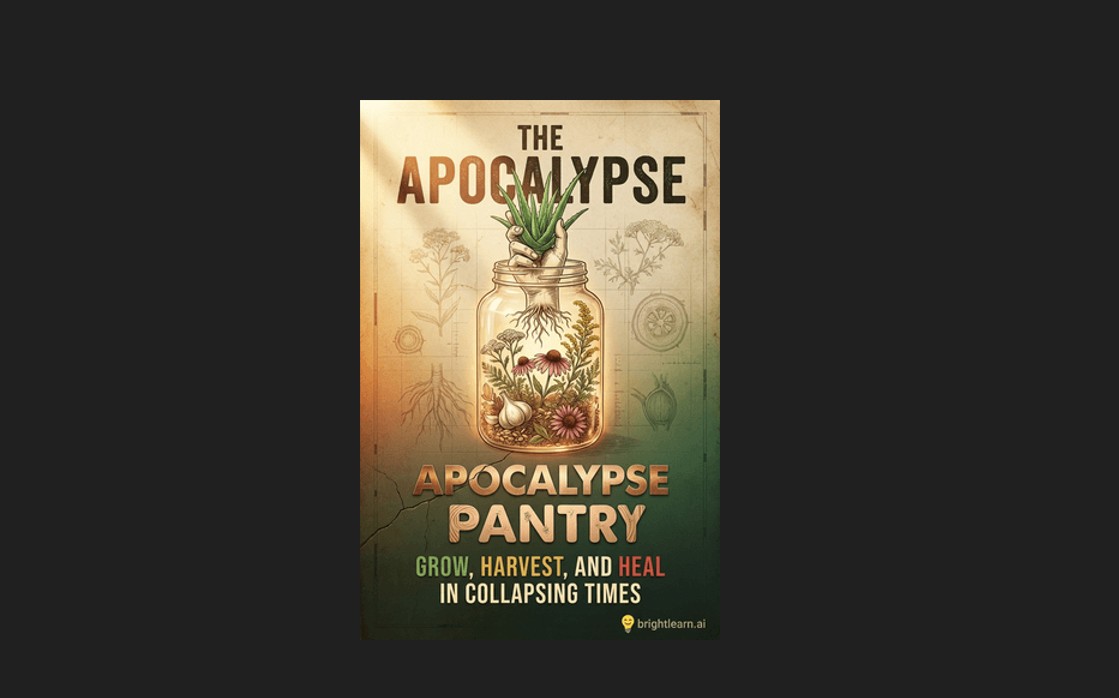
- "The Apocalypse Pantry: Grow, Harvest, and Heal in Collapsing Time" exposes the fragility of modern medicine, noting that 80% of U.S. medication ingredients come from China and India, making supply chains dangerously unstable – evidenced by shortages during COVID-19 and Venezuela's healthcare collapse.
- The 1910 Flexner Report, funded by Rockefeller, systematically eliminated herbalism and homeopathy to promote synthetic drugs tied to Big Pharma profits, while the FDA actively suppresses natural remedies.
- Hospitals are revealed as high-risk environments due to infections (like MRSA), medical errors (the third-leading cause of death in the U.S.) and overcrowding—urging readers to learn home-based emergency care using herbal alternatives.
- Key plants like garlic (antibiotic), yarrow (stops bleeding), elderberry (antiviral) and honey (wound care) outperform pharmaceuticals without patent restrictions—teaching readers to grow, forage and preserve these remedies.
- The book advocates for stockpiling critical meds but emphasizes replacing them with herbal tinctures, fermented foods and colloidal silver while building local networks of herbalists and healers for post-collapse survival.
In an era where institutional trust is crumbling and supply chains hang by a thread, "The Apocalypse Pantry: Grow, Harvest, and Heal in Collapsing Times" arrives as a revolutionary manifesto for self-reliance. It's a survival guide not just for doomsday preppers, but for anyone who suspects modern medicine's promises are built on quicksand.
The opening chapters deliver a gut punch, exposing the pharmaceutical industry's fatal vulnerabilities. Did you know that 80% of the active ingredients in U.S. medications come from China and India? One factory shutdown, one trade war, and suddenly antibiotics, insulin and even basic painkillers vanish.
The Wuhan coronavirus (COVID-19) pandemic was a dress rehearsal—shortages of saline solution, chemotherapy drugs and sedatives revealed a system held together by corporate greed and just-in-time logistics. The book doesn't just warn of collapse; it proves it's already happening, citing Venezuela's healthcare implosion where hospitals lack gloves, syringes and lifesaving drugs—reduced to medieval conditions while black markets flourish.
Here's where the book gets incendiary. The 1910 Flexner Report, bankrolled by John D. Rockefeller, didn't just standardize medical education—it annihilated competing systems. Homeopathy, herbalism and naturopathy were branded "quackery," while Rockefeller-funded universities pushed synthetic drugs (conveniently tied to his petroleum empire).
The Food and Drug Administration (FDA), far from a protector, became a gatekeeper, suppressing natural remedies to protect Big Pharma's monopoly. The result? A century of doctors trained to prescribe, not heal, while antibiotic-resistant superbugs—bred by overprescription and factory farming—now kill tens of thousands annually.
The deadly truth about hospitals – and how to escape their trap
Think hospitals are sanctuaries? Think again. The book lays bare their dangers:
- Hospital-acquired infections (like MRSA) kill more Americans than car accidents.
- Medical errors are the third-leading cause of death in the United States.
- Overcrowding and understaffing turn ERs [emergency rooms] into petri dishes of despair.
The solution? Avoid them unless absolutely necessary. Instead, the book arms readers with skills to handle emergencies at home—from stitching wounds with plantain poultices to setting fractures with improvised splints.
This is where "The Apocalypse Pantry" shines. It's a field guide to the medicinal plants that Big Pharma can't patent:
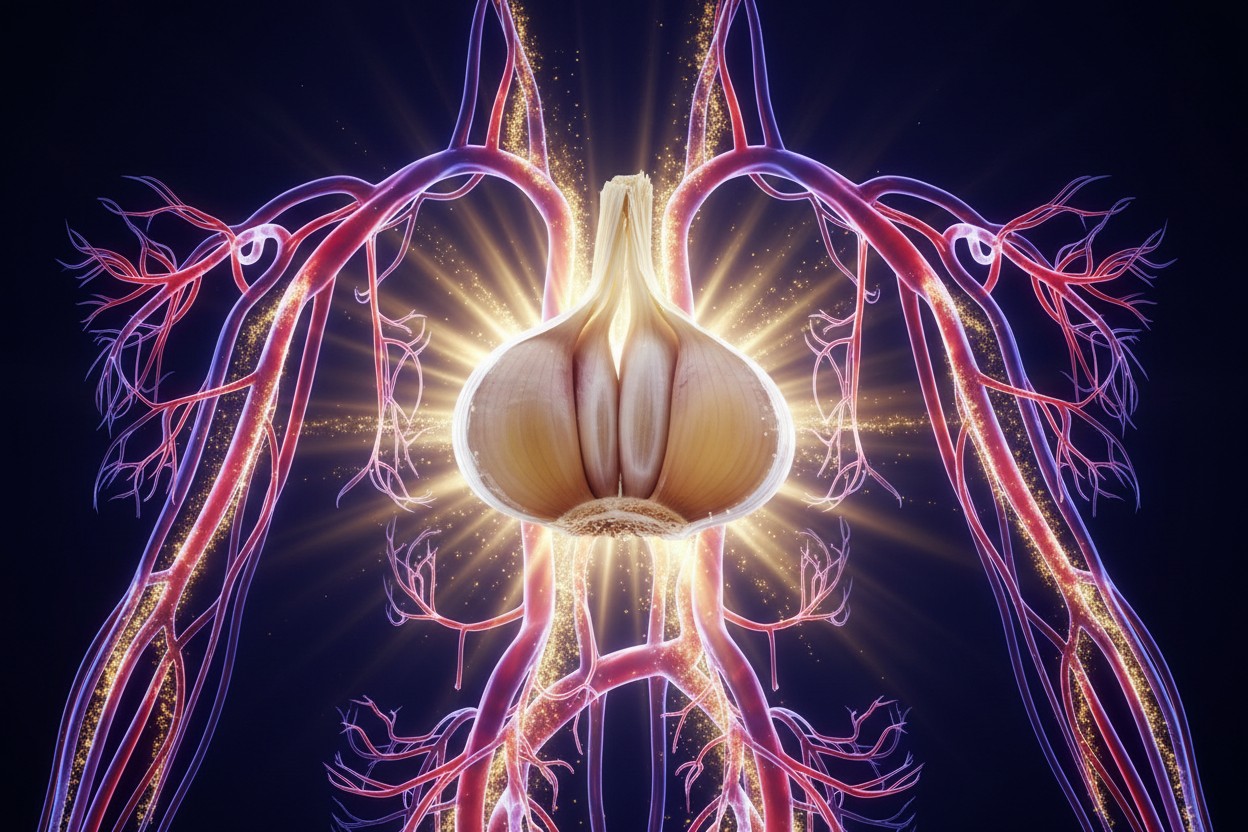
- Garlic: A natural antibiotic with 35 bioactive compounds (bacteria can't develop resistance to it).
- Yarrow: Stops bleeding faster than styptic powder.
- Elderberry: Obliterates flu viruses by disabling their ability to replicate.
- Honey: Outperforms synthetic antibiotics in wound care (even the World Health Organization admits it).
The book teaches how to grow, forage and preserve these remedies—turning your backyard into a lifesaving dispensary.
Will you be helpless or prepared?
When hyperinflation hits, insulin costs more than gold. Greece's financial meltdown saw hospitals reusing gloves and diabetics rationing doses. The book's message: Stockpile critical meds now, but more importantly, learn to replace them. Herbal tinctures, fermented foods and colloidal silver become currency in a post-collapse barter economy.
The final chapters are a rallying cry for decentralized healthcare. Form networks with local herbalists, midwives and growers. Host skill-shares on making herbal tinctures or delivering babies at home. In a world where institutions fail, community is the ultimate insurance policy.
"The Apocalypse Pantry" is more than preparedness—it's a rebellion against a system that profits from sickness. It's for those who refuse to be helpless when pharmacies empty and hospitals collapse. With razor-sharp research, actionable steps and unflinching truth, this book doesn't just predict the future—it equips you to thrive in it.
Grab a copy of "The Apocalypse Pantry: Grow, Harvest, and Heal in Collapsing Times" via this link. Discover this book and other good reads at Books.BrightLearn.AI with thousands of books and counting – all available to freely download, read and share. The decentralized BrightLearn.AI engine also lets readers create their own books, empowering them to share insights and truths with the world.
Watch Marjory Wildcraft discussing the role of botanical medicine and the Home Medicine Skills Course in this edition of the "Health Ranger Report" with the Health Ranger Mike Adams.
This video is from the Health Ranger Report channel on Brighteon.com.
Sources include:







Please contact us for more information.


