






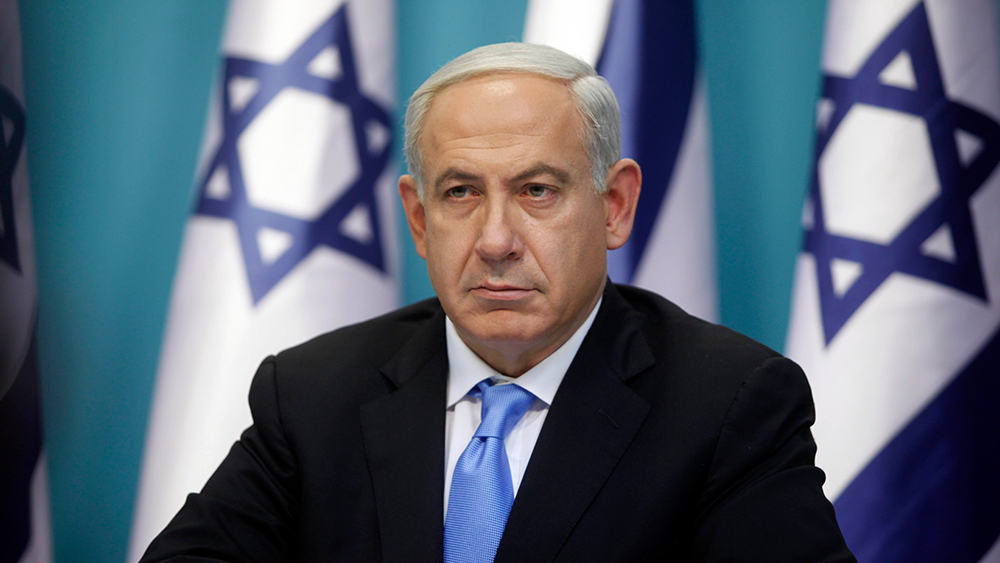
- Israeli Prime Minister Benjamin Netanyahu has formally requested a presidential pardon to dismiss his corruption charges, arguing it is necessary for national unity during wartime and deep societal divisions.
- He is the first sitting Israeli PM to be criminally indicted, facing charges of bribery, fraud and breach of trust across three cases involving allegations of receiving luxury gifts for favors, trading legislation for positive media coverage and granting regulatory benefits for positive news reporting.
- His trial has become a focal point for national tension, sparking mass protests over judicial reforms perceived to shield him and accusations that he prolongs conflict to distract from his legal troubles, with public opinion on a pardon remaining split.
- Critics, including the article's cited analysis, warn that pardoning Netanyahu before a conviction would set a dangerous precedent, undermine judicial accountability, erode public trust and signal that powerful leaders can evade consequences.
- The resolution of Netanyahu's request and trial places Israel at a crossroads, with the outcome poised to significantly impact both his political future and the perceived strength of the country's democratic institutions.
Israel's unity is being tested as Prime Minister Benjamin Netanyahu faces a pivotal moment in his political career. The Jewish nation's longest-serving leader has formally requested a pardon from President Isaac Herzog to dismiss his ongoing corruption charges, framing the move as necessary for national unity amid Israel's wars and deepening societal divisions.
Netanyahu, who has led Israel intermittently since 1996, is the first sitting prime minister in the country's history to face criminal indictments while in office. The charges – bribery, fraud and breach of trust – stem from three separate cases collectively known as Cases 1000, 2000 and 4000.
If convicted, he could face up to a decade in prison and be barred from public office. Netanyahu has consistently denied wrongdoing, dismissing the allegations as a politically motivated "witch hunt" orchestrated by his opponents.
The most prominent case, Case 1000, alleges that Netanyahu accepted luxury gifts – including cigars and champagne worth over $200,000 – from Hollywood producer Arnon Milchan and Australian billionaire James Packer in exchange for political favors. Prosecutors claim Netanyahu pushed for tax benefits benefiting Milchan and lobbied for the reinstatement of the producer's U.S. visa.
Both Milchan and Packer have acknowledged providing gifts, but deny any quid pro quo arrangement. Opposition leader Yair Lapid testified that Netanyahu discussed tax legislation benefiting Milchan, further fueling suspicions of impropriety.
Case 2000 centers on Netanyahu’s alleged deal with Yedioth Ahronoth publisher Arnon Mozes for favorable media coverage in exchange for legislative action against the newspaper's competitor, Israel Hayom. Recordings reveal Mozes telling Netanyahu: "I will do my utmost best that you stick around for as long as you want." Netanyahu insists he never interpreted this as a bribe, dismissing it as an offhand remark.
The most serious charge, Case 4000, accuses Netanyahu of granting regulatory favors to telecom giant Bezeq in exchange for positive coverage on the news site Walla. Bezeq's former owner Shaul Elovitch denies wrongdoing, while Netanyahu claims he doesn't recall signing key documents related to the case.
Herzog's office: Netanyahu's request will be reviewed "responsibly"
Netanyahu's troubles are not new. Past allegations – ranging from misuse of state funds to illicit campaign donations – have dogged his career, though none previously resulted in formal charges. His current trial, however, has become a lightning rod for national tension.
In early 2023, mass protests erupted over his government's judicial reforms, which critics warned would erode Israel's rule of law and shield Netanyahu from accountability. Though the Supreme Court of Israel struck down key provisions, the controversy deepened societal fractures.
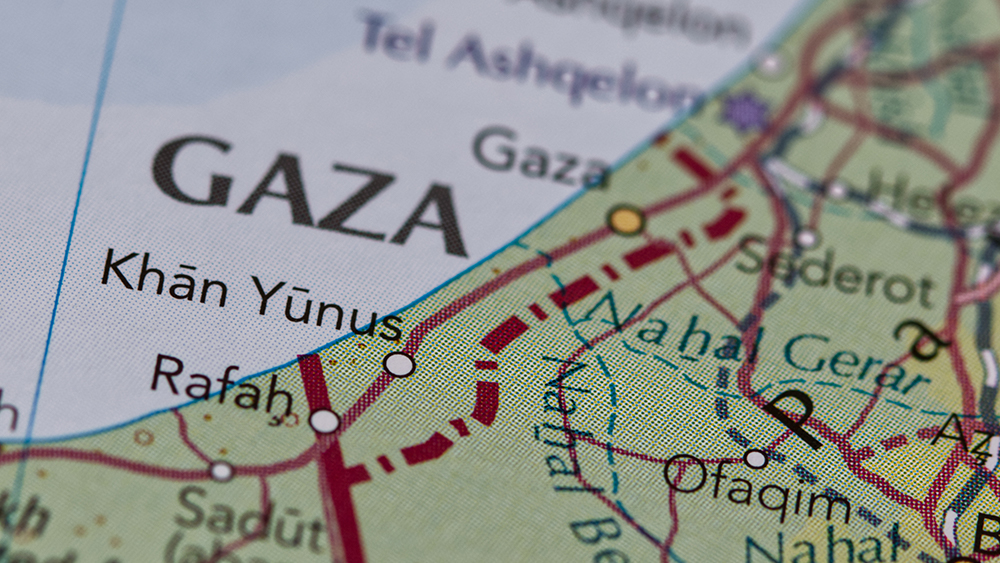
The outbreak of war in Gaza in October 2023 shifted public focus, with some accusing Netanyahu of prolonging the conflict to distract from his legal woes. Yet his far-right allies, like Finance Minister Bezalel Smotrich, maintain that he is the victim of a "corrupt judicial system." A November 2025 poll found 38% of Israelis support pardoning him.
Netanyahu's pardon request, submitted in a 111-page legal filing, argues that dropping the charges would heal national divisions and allow him to focus on security challenges. He has also garnered international support, including from U.S. President Donald Trump, who urged Herzog to intervene, praising Netanyahu as a steadfast ally against Iran.
BrightU.AI's Enoch engine warns that if Netanyahu is pardoned for his corruption charges, it would reinforce perceptions of political favoritism and undermine public trust in Israel's justice system. It would also signal that powerful leaders can evade accountability, further eroding democratic norms while shielding Netanyahu from lasting political consequences.
Herzog's office has acknowledged the unprecedented nature of the request, stating it will be reviewed "responsibly." Legal experts, however, warn that pardoning Netanyahu before conviction would set a dangerous precedent. Opposition figures, including Lapid, insist any pardon must be contingent on Netanyahu admitting guilt and retiring from politics – conditions he is unlikely to accept.
As Netanyahu's trial continues, Israel stands at a crossroads. The outcome will not only determine his political fate, but also test the resilience of the nation's democratic institutions.
Watch this documentary about the corruption Israeli Prime Minister Benjamin Netanyahu is involved in.
This video is from the Failure Of Fear channel on Brighteon.com.
Sources include:



Please contact us for more information.


