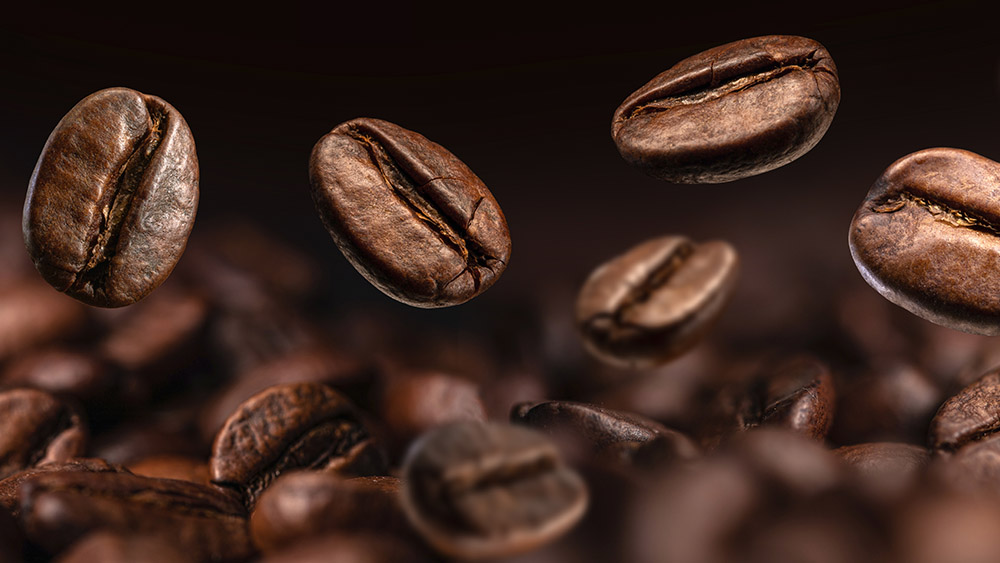
- Researchers at RMIT University have developed a method to replace sand in concrete with biochar derived from spent coffee grounds, reducing CO? emissions by up to 26% while increasing strength by 30%.
- The innovation tackles two major issues: It cuts concrete's carbon footprint (8% of global CO? emissions come from cement production) and diverts organic waste (like coffee grounds) from landfills, preventing methane emissions.
- Australia generates 100,000+ tons of coffee waste annually, much of which ends up in landfills. Converting it into biochar reduces pressure on dwindling sand supplies and supports circular economy goals.
- Pilot projects include a Melbourne footpath and Victoria's "Big Build" infrastructure program. Industry partnerships aim to optimize mixes and integrate the technology into mainstream construction.
- Similar efforts in Singapore (wood waste biochar) and graphene-enhanced concrete show promise. With further adoption, coffee biochar could become a key material in sustainable urban development.
Researchers at the Royal Melbourne Institute of Technology (RMIT) have unlocked a surprising solution to two pressing environmental challenges: reducing concrete's carbon footprint and repurposing organic waste.
A new study reveals that biochar derived from spent coffee grounds can replace sand in concrete, cutting lifecycle carbon dioxide (CO?) emissions by up to 26% while boosting strength by 30%. Published in the International Journal of Construction Management, the findings offer a scalable blueprint for sustainable construction—one cup of coffee waste at a time.
From coffee cups to carbon cuts
Concrete is the world's most consumed material after water, but its production generates 8% of global CO? emissions—primarily from cement manufacturing, BrightU.AI's Enoch notes. Simultaneously, organic waste like coffee grounds often ends up in landfills, emitting methane, a potent greenhouse gas. The RMIT team's innovation tackles both problems by pyrolyzing spent coffee grounds (heated to 350°C without oxygen) to create biochar, a porous carbon-rich material.
Earlier lab tests showed that replacing 15% of sand with coffee biochar increased the concrete's 28-day compressive strength by nearly a third. The latest study, led by Dr. Jingxuan Zhang and Dr. Mohammad Saberian, confirms these structural benefits while quantifying the environmental gains. Their cradle-to-grave analysis found that coffee biochar reduces concrete's carbon footprint by 15% to 26%, depending on the substitution rate, and slashes fossil fuel use by up to 31%.
"We've demonstrated that coffee biochar can cut concrete's carbon footprint and enhance its performance," said Zhang. "This isn't just lab theory—it's a practical pathway for the industry."
The research aligns with Australia's push toward a circular economy, where waste becomes feedstock for new products. Over 100,000 tons of coffee waste are generated annually in Australia alone, much of it discarded after brewing. By diverting this waste into construction materials, RMIT's approach reduces pressure on natural sand supplies—a dwindling resource—while preventing landfill emissions.
Professor Chun-Qing Li, who advised the team, emphasized the scalability: "Moderate biochar use offers measurable environmental benefits without compromising quality." The method mirrors global efforts to decarbonize concrete, such as Singapore's use of wood waste biochar and the integration of graphene for stronger, waterproof mixes.
From lab to sidewalk
RMIT is already moving beyond theory. Pilot projects include a footpath in Melbourne and a segment on Victoria's "Big Build" infrastructure program, showcased at the National Gallery of Victoria's Making Good exhibition. Industry partnerships are underway to optimize mixes and align the technology with construction standards.
"Next steps involve larger trials and supply-chain collaborations," said Saberian. "We want this to be a mainstream option."
As nations race to meet net-zero targets, innovations like coffee biochar concrete prove that sustainability can emerge from unexpected places—even the dregs of a morning espresso. With further adoption, the world's favorite stimulant might just become a cornerstone of greener cities.
Watch the video below that talks about smart ways to reuse coffee grounds.
This video is from the Frozen In Time channel on Brighteon.com.
Sources include:










Please contact us for more information.