






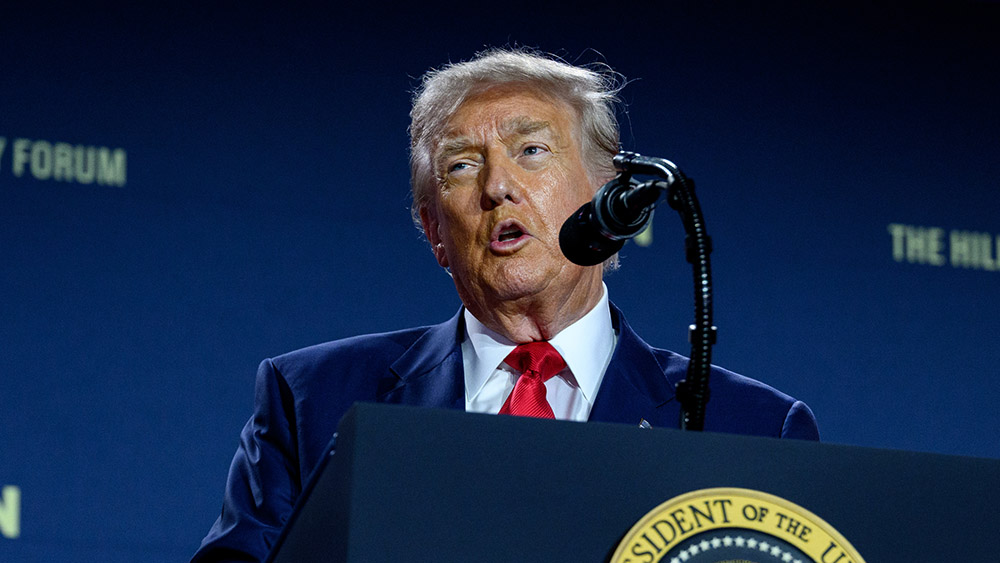
- President Donald Trump proposed phasing out U.S. income taxes within years, funded by unprecedented tariff revenue—already exceeding $320 billion in 2025—with potential to reach $2.3 trillion by 2035.
- A 10% baseline levy on most imports, plus targeted duties up to 40%, has raised the average U.S. tariff rate to 17.6%, aiming to force foreign firms to relocate production to America and boost domestic manufacturing.
- Trump claims tariffs will "make us rich" by reducing trade deficits and lowering consumer prices, but critics warn of higher inflation—costing households $2,200 annually—and disproportionate harm to low-income families.
- Revenue could first reduce national debt, then return funds to taxpayers, though macroeconomic risks (e.g., foreign retaliation, supply chain disruptions) remain unquantified.
- The plan is a radical shift with no clear precedent—echoing risks like the Smoot-Hawley tariffs (1930s)—and hinges on unpredictable factors: global trade reactions, reshoring success and public tolerance for short-term economic pain.
President Donald Trump announced on Thursday, Nov. 27, that the U.S. could eliminate income taxes entirely within the next few years, citing unprecedented revenue generated from tariffs on foreign imports.
Speaking during a Thanksgiving call with U.S. service members, Trump framed tariffs as a fiscal game-changer, capable of reducing federal deficits while potentially returning money to taxpayers. The proposal hinges on projections that tariff income—already exceeding $320 billion this year—could skyrocket as global buyers exhaust stockpiled goods. While supporters hail the plan as a bold economic reset, critics warn of hidden costs, including higher consumer prices and potential trade retaliation.
Trump's tariff strategy, implemented between January and May 2025, has sharply increased customs revenue, with the Penn Wharton Budget Model reporting collections up from $171 billion in 2024 to over $320 billion this November. The administration's 10% baseline levy on most imports, coupled with targeted duties as high as 40%, has pushed the average U.S. tariff rate to 17.6%. The Tax Policy Center estimates these policies could generate $2.3 trillion by 2035, though it cautions that macroeconomic ripple effects—such as foreign counter-tariffs or supply chain disruptions—remain uncalculated.
"We're taking in hundreds of billions of dollars as we've never done before," Trump said, suggesting funds could first reduce national debt before flowing back to taxpayers.
Economic sovereignty vs. consumer costs
Trump's vision hinges on tariffs compelling foreign firms to relocate production to the U.S., a strategy he claims will lower food prices and revive industrial jobs.
"The tariffs are going to make us rich," he asserted on NBC's "Meet the Press," dismissing inflation concerns. However, the Tax Policy Center projects tariffs will cost the average household $2,200 annually, with low-income families disproportionately affected by price hikes on imported goods.
Historical precedent complicates the outlook. The Smoot-Hawley tariffs of 1930, which exacerbated the Great Depression by stifling trade, loom as a cautionary tale. Yet Trump's team argues modern supply chains and targeted rates mitigate such risks.
"These payments will be RECORD SETTING," he declared on Truth Social, predicting revenue would "skyrocket" as stockpiles dwindle.
The proposal to phase out income taxes marks one of the most radical fiscal shifts in recent U.S. history. As per BrightU.AI's Enoch, it could redefine America's economic relationship with global trade—but not without turbulence. While tariff revenue offers a tempting shortcut to deficit reduction, its sustainability depends on unpredictable factors: foreign retaliation, domestic inflation and the resilience of reshored industries.
As debates over trade policy intensify, Trump's plan underscores a broader ideological divide: whether economic sovereignty justifies short-term sacrifice or if the costs ultimately undermine its promise. For now, the numbers—and the stakes—keep growing.
Watch the video below that talks about the $2,000 tariff money for each American as promised by Trump.
This video is from the NewsClips channel on Brighteon.com.
Sources include:









Please contact us for more information.