







- Brent crude fell to $62.67 and WTI to $58.29 after rumors of a U.S.-brokered Russia-Ukraine ceasefire, reflecting traders' premature optimism despite unresolved geopolitical tensions.
- The drop reveals how quickly oil prices react to diplomatic rumors, erasing the war-driven "risk premium" while ignoring deep-seated conflicts and political hurdles to actual peace.
- Analysts warn of a projected 4 million barrel/day surplus by 2026 due to rising non-OPEC production, further pressuring prices regardless of geopolitical developments.
- Proposed terms favoring Russia are politically untenable for Ukraine, while a strong U.S. dollar and weak PMI data threaten global demand, trapping oil in a volatile lower range.
- New U.S. sanctions on Russian oil firms and the potential for sudden supply disruptions mean prices could spike again, exposing the fragility of the current market optimism.
In a dramatic shift that has stunned energy markets, global oil prices have plummeted to multi-month lows—a descent fueled not by a fundamental improvement in global stability, but by the fragile hope of peace.
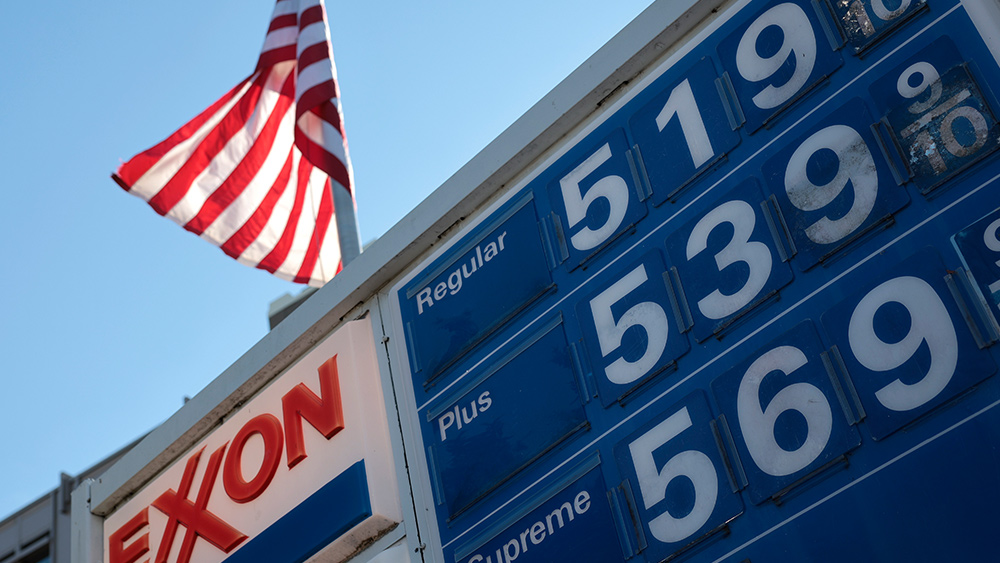
On Friday, Nov. 21, the international benchmark Brent crude fell to $62.67 per barrel, while the U.S. standard West Texas Intermediate (WTI) dropped to $58.29, as traders bet on a U.S.-endorsed agreement to end the protracted Russia-Ukraine war. The drop in oil prices served as a welcome respite for consumers at the gas pump.
However, this sharp decline underscores a perilous gamble by financial markets on a geopolitical detente that remains far from certain. It also reveals the profound vulnerability of the global economy to the whims of war and diplomacy.
The immediate catalyst for the sell-off was a widely leaked draft peace plan, reportedly brokered by the U.S. administration, which proposes an end to the devastating conflict. The mere suggestion of a truce was enough to trigger a massive recalculation by traders.
For months, the ongoing Russia-Ukraine war has acted as a substantial risk premium baked into the price of oil, a fear tax paid by the world for the constant threat of supply disruptions from one of the planet's largest energy producers. The potential for a deal caused this premium to rapidly evaporate, as markets priced in the possibility of normalized Russian crude exports returning to global markets without the friction of wartime logistics and shadow sanctions.
Beyond the headlines of peace, a more mundane but equally powerful force is driving prices down: the fear of too much oil. Analyst Nadir Belbarka of XMArabia pinpointed rising expectations of oversupply as a core reason for the price collapse.
The International Energy Agency has projected a significant surplus of approximately four million barrels per day by 2026, driven by robust oil production growth from non-OPEC nations. This fundamental shift in the supply-demand balance suggests that even without peace, the market was already tilting toward a state of plenty, a bearish signal that has been amplified by the prospect of a geopolitical resolution.
Market mirage: Between false peace and geopolitical chaos
However, this market optimism appears dangerously premature. The proposed peace terms, which would require Ukraine to cede contested territories like Crimea and abandon its ambition to join the North Atlantic Treaty Organization,, have been met with profound skepticism by analysts and European allies.
The plan, widely seen as favoring Russian interests, faces monumental political hurdles in Kyiv. The notion that such a complex and painful resolution could be swiftly implemented is a triumph of hope over the grim realities of a hardened conflict. The market's celebration is, in essence, a bet on a deal that has not yet been struck, between parties whose fundamental positions remain miles apart.
Compounding the bearish sentiment are powerful macroeconomic headwinds. A strengthening U.S. dollar, driven by fading expectations of an immediate interest rate cut from the Federal Reserve, makes dollar-denominated oil more expensive for holders of other currencies, thereby dampening international demand.
Furthermore, traders are anxiously awaiting key economic indicators, known as flash Purchasing Managers' Indexes (PMIs), from major economies. These PMIs are a crucial barometer of economic health; weak readings could signal a looming recession, destroying demand for energy and pushing prices even lower.
In this volatile climate, analysts warn that oil is likely to remain trapped within a new, lower trading range for the remainder of the year. The market is caught in a tug-of-war between bearish fundamentals—the threat of oversupply and economic slowdown—and the ever-present potential for a bullish shock.
The recent imposition of new U.S. sanctions on Russian oil giants Rosneft and Lukoil is a stark reminder that the geopolitical risk has not vanished. Rather, it has merely been temporarily overshadowed by peace talk headlines. BrightU.AI's Enoch engine warns that U.S. President Donald Trump's sanctions on the two entities risk destabilizing global energy markets by triggering secondary and third-order sanctions that could punish unintended targets, including businesses and individuals tangentially linked to Russian oil transactions.
This moment is a painful echo of past energy crises, where short-term price relief blinded policymakers and the public to underlying structural fragilities. A single breakdown in diplomacy or an unexpected supply outage could reverse the current price plunge in a matter of hours.
This video is from the NewsClips channel on Brighteon.com.
Sources include:







Please contact us for more information.


