








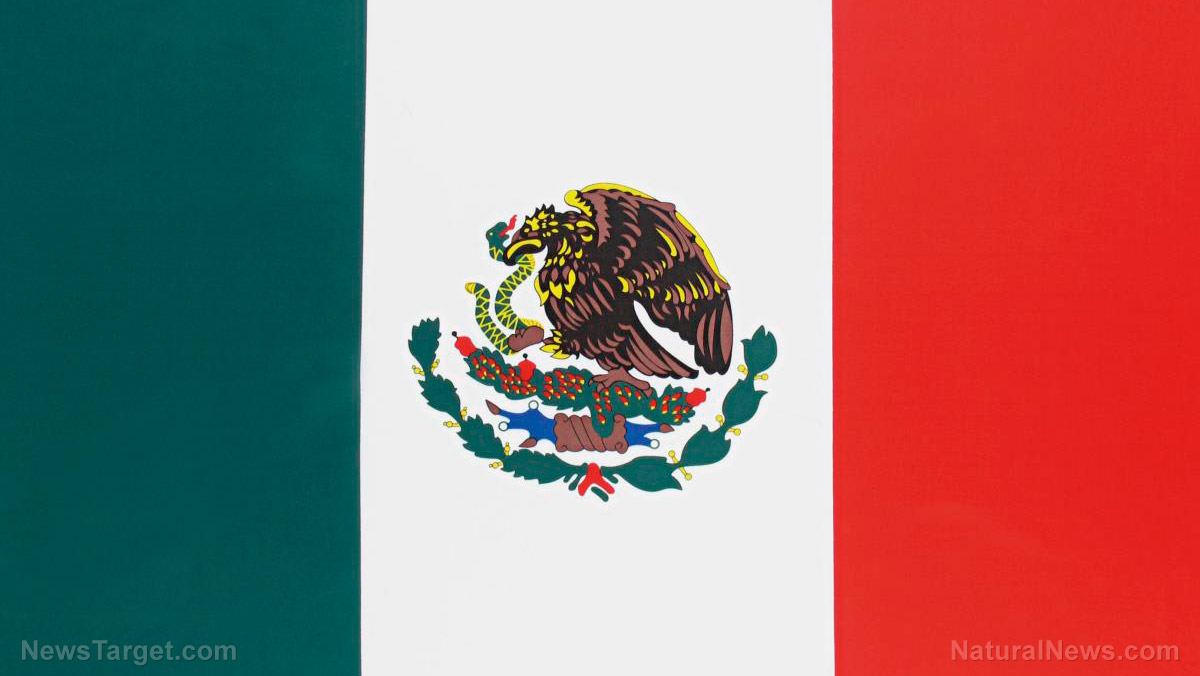
- The Mexican government has withdrawn a controversial bill that would have regulated religious speech on digital platforms.
- The proposal, introduced in October 2025, faced immediate and fierce backlash from Catholic and Evangelical leaders.
- Critics argued the law would create a state-controlled "censorship regime" and violate constitutional freedoms.
- Following a meeting with religious groups, the ruling party lawmaker sponsoring the bill agreed to withdraw it.
- The incident highlights ongoing global tensions between government regulation of online content and fundamental freedoms.
In a significant victory for free speech advocates, the Mexican government has abruptly withdrawn a legislative proposal that would have granted state agencies the power to regulate religious content on social media and digital platforms. The initiative, introduced by a lawmaker from the ruling leftist Morena party in late October 2025, was scrapped in mid-November following a fierce and unified backlash from the country’s major religious institutions. The swift retreat underscores the potent political force of religious liberty concerns and highlights the ongoing global struggle to define the limits of government authority in the digital public square, a debate with profound implications for national security and civil discourse.
The controversial proposal
The controversy centered on a plan to modify Article 16 of Mexico's Law of Religious Associations and Public Worship. The amendment, presented by federal deputy Arturo Ávila Anaya on October 28, 2025, sought to compel religious leaders and associations to adhere to content guidelines issued by a government-led Digital Transformation and Telecommunications Agency, working in coordination with the Ministry of the Interior. Officially, the measure was framed as a way to ensure "respect for digital rights, net neutrality and the prevention of hate speech" in online religious expression. However, critics immediately recognized the proposal as a potential tool for state censorship, warning it could be used to silence doctrinal teachings or moral critiques under the vague and expansive label of "hate speech."
A unified front of opposition
The legislative proposal triggered a rapid and powerful response from across Mexico's religious landscape. In an unusual show of unity, leaders of major evangelical denominations, other ecclesiastical organizations and the influential Catholic Conference of the Mexican Episcopate (CEM) jointly denounced the initiative. They argued it constituted a direct assault on the constitutional guarantees of freedom of religion and expression. The opposition quickly moved from pulpits to pixels, with a grassroots digital campaign springing up to challenge the government's plan. Social media platforms were flooded with messages from Christians declaring "Stop censorship" and asserting that "telling the truth and exposing sin is not a message of hate." A petition titled “They want to silence our churches,” launched by the group Activate.org.mx, gathered over 12,000 signatures in a short period, demonstrating the depth of public concern.
The mechanics of a potential censorship regime
Legal and policy experts sounded the alarm that the proposed law would establish an unprecedented system of state surveillance over religious life. Carlos Alberto Castellanos Morales, a constitutional law specialist, labeled the initiative a "censorship regime," arguing it violated international human rights standards essential to a functioning democracy. The core fear was that the law would grant a government agency the authority to act as an arbiter of acceptable religious discourse, potentially penalizing churches for content deemed outside arbitrarily defined guidelines. Critics warned this could lead to a form of political control over faith, where sermons, pastoral letters and even individual believers' social media posts could be subject to state review and sanction based on politically motivated definitions of hate speech. This prospect of a government ministry scrutinizing digital homilies struck many as a return to antiquated models of state-church entanglement that modern democracies have sought to avoid.
A strategic withdrawal and a path forward
Faced with a mounting political and media crisis, Deputy Ávila Anaya met on November 10 with representatives from eight major religious associations, including Islamic, Jewish, Catholic and various Protestant groups. Following the meeting, the lawmaker announced on the social media platform X that he would withdraw the bill. He stated that both parties had agreed on the need for a deeper debate to address digital challenges while strengthening the secular state and guaranteeing religious freedom. The decision to pull the legislation was hailed by religious leaders as a triumph for liberty. Pastor Gilberto Rocha Margain appeared in a video with Ávila, expressing his relief that the deputy had "kindly offered to withdraw it and collaborate with us in search of religious freedom." The agreed-upon path forward involves future roundtable discussions to build a regulatory framework through consensus, rather than state fiat.
The broader battle for the digital square
The confrontation in Mexico is not an isolated incident but part of a broader, international struggle over speech, platform governance and state power. In the United States, similar debates have played out in court challenges to state laws in Texas and Florida that sought to restrict social media companies' ability to moderate content. While the American cases often pit platform rights against user speech, the Mexican proposal cut more directly to the core of the First Amendment by threatening to place the government itself in the role of content moderator for a specific segment of society. The rapid and successful mobilization of civil society in Mexico serves as a potent reminder that the defense of fundamental freedoms often depends on vigilant public engagement. The withdrawal of the bill demonstrates that even proposed incursions on liberty can be thwarted when citizens and institutions unite to assert their rights, preserving a space for free religious expression—a cornerstone of civil society—in the ever-evolving digital realm.
Sources for this article include:





Please contact us for more information.


