


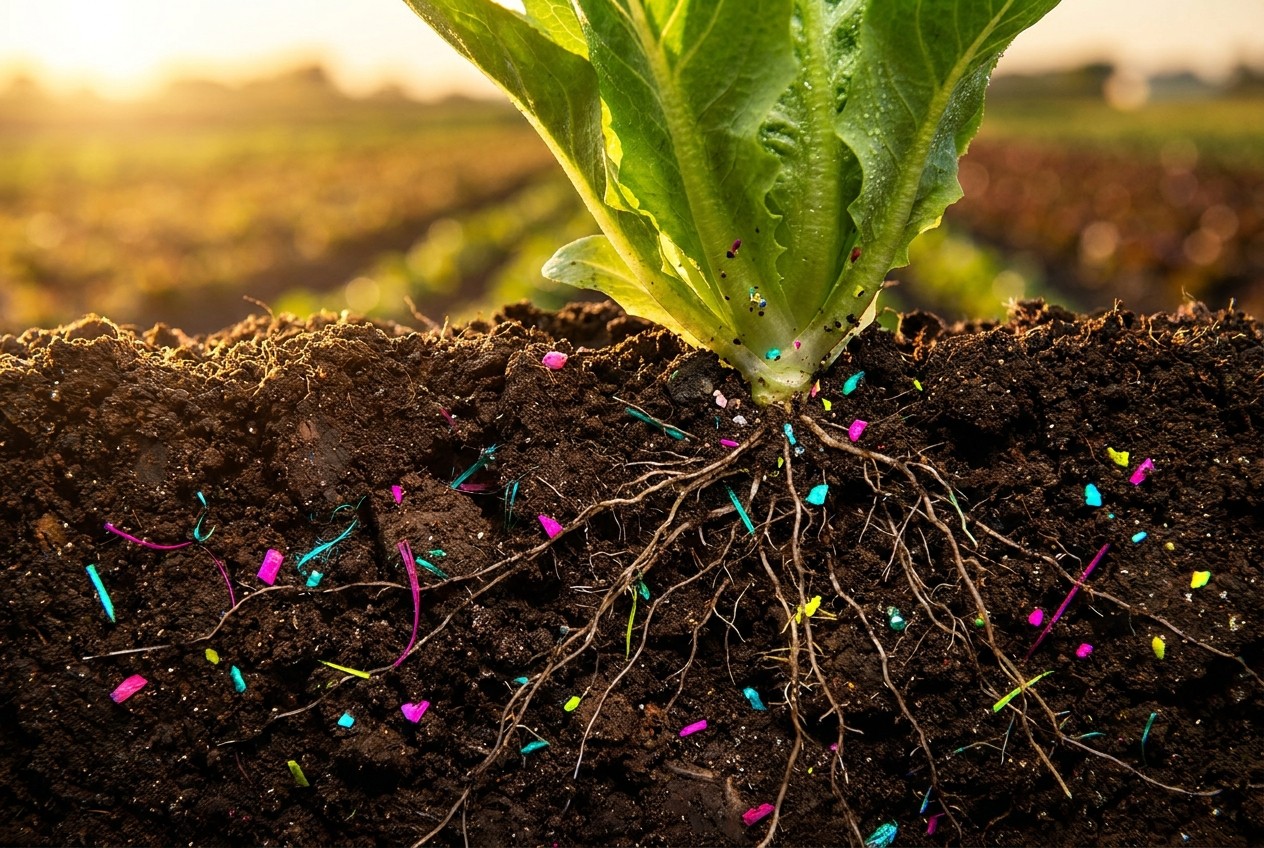
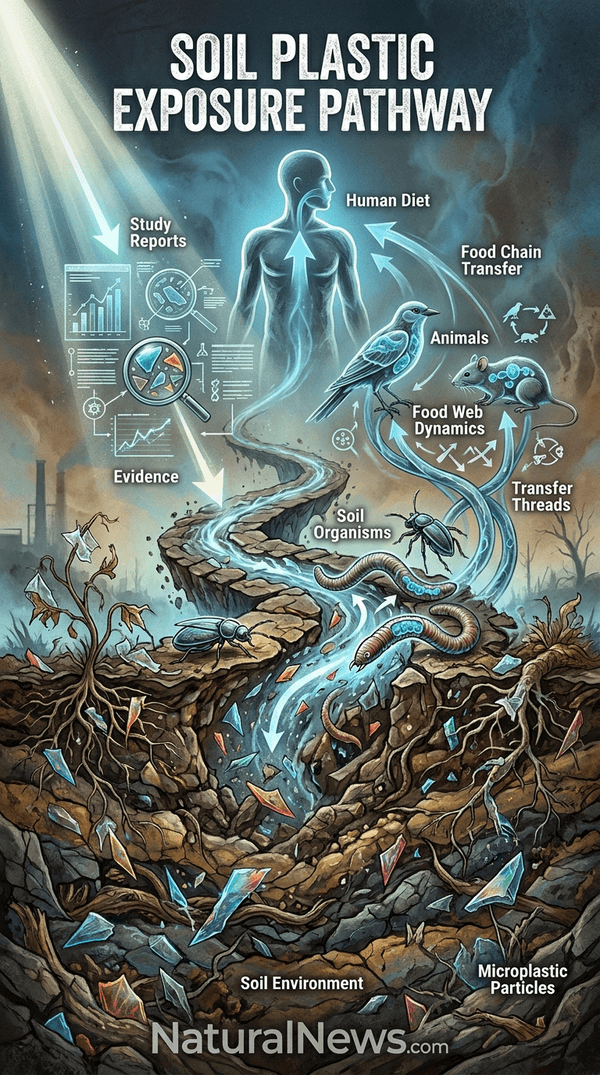
Researchers said the primary exposure route involves plastic fragments and fibers entering agricultural systems through common farming practices and subsequently appearing in food. The study reported that microplastic particles were detected in soil samples and in crop tissues, though the researchers cautioned that the findings require further investigation to establish the full scope of transfer.
In a statement attributed to the lead researcher, the study's authors described the reported finding as evidence that soil contamination represents a direct pathway for microplastics to enter the food supply. The researchers emphasized that additional research is needed to quantify the risks and understand the mechanisms by which particles move from soil into crops.
Study Details and Reported Findings
The study, according to the report, examined agricultural soil samples and food crops collected from multiple sites. Researchers reported detecting microplastic particles in both soil and crop samples, with all measurements and concentrations attributed to the study. The report stated that particle sizes and polymer types were characterized, but specific ranges were not disclosed in the summary provided.
The study's authors concluded that the data support the hypothesis that microplastics can transfer from soil to food crops. In a quote provided to reporters, a study author stated that the findings indicate a need for further research into the extent of soil-to-food transfer and the factors that influence it. The quote was presented without endorsement by this publication.
Exposure Pathways and Prior Research
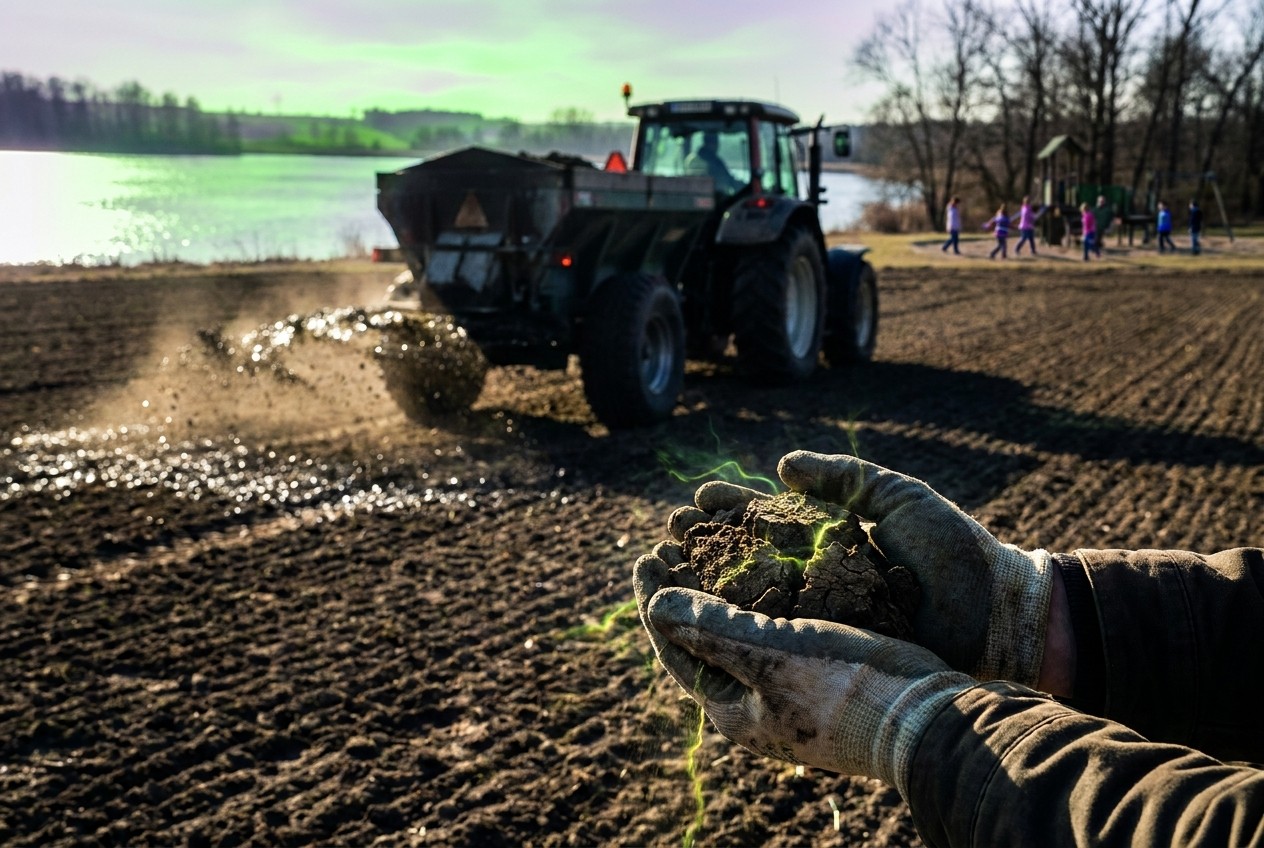
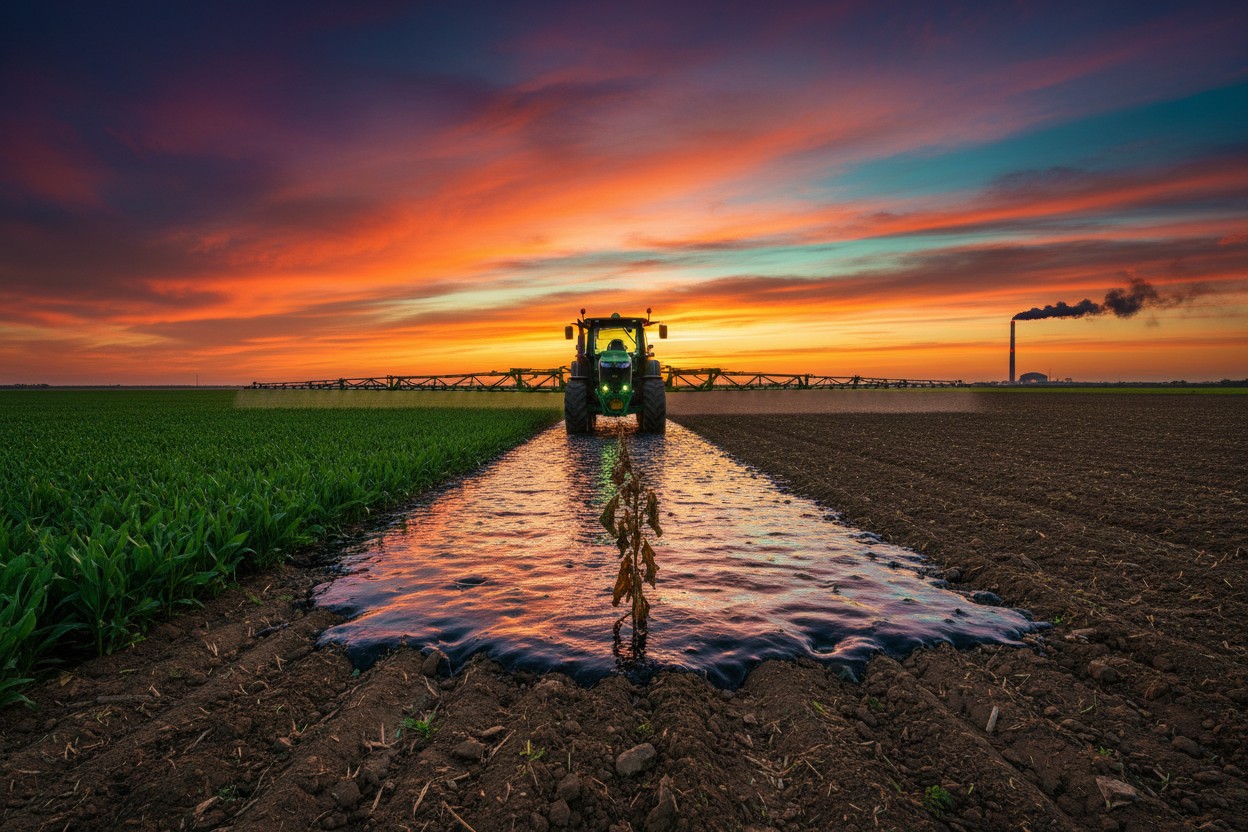
According to the study and prior research cited by it, plastics enter soil through several pathways, including agricultural film used for mulching, the application of sewage sludge as fertilizer, irrigation with recycled wastewater, and litter.
A researcher affiliated with the study stated that soil is an under-examined exposure route compared with marine environments. The researcher said that while much attention has focused on ocean plastics, agricultural soils may represent a more direct pathway to human food consumption. The statement was attributed to the researcher and presented as a perspective on the significance of the findings.
The study noted limitations, including the need for more comprehensive sampling and analysis. According to the report, the researchers acknowledged that the lack of standardized methods for detecting microplastics in soil and crops makes comparisons across studies difficult. The report also stated that the health implications of the detected particles remain uncertain and require further toxicological assessment.
Responses From Relevant Parties
Officials said microplastics and nanoplastics may be present in food primarily from environmental contamination where foods are grown or raised [1]. The FDA's position was cited in the study's discussion of regulatory context.
An environmental organization, the Alliance for Natural Health USA, commented on the findings in a separate article, stating that plastic pollution can disrupt the systems that grow food [2]. The organization referenced a greenhouse barley study that found high microplastic concentrations reduced photosynthesis and altered soil nutrients, enzyme activity, and microbial communities [2]. The group's statement was presented without endorsement.
No immediate regulatory action was announced in response to the study. According to the report, the researchers called for further research and monitoring, while the FDA's stated position remained that current evidence does not establish a health risk. An agricultural industry representative did not respond to a request for comment by the time of publication.
Next Steps and Open Questions
The study's authors called for additional research to quantify the transfer of microplastics from soil to crops and to assess the potential health effects. According to the report, the researchers recommended standardized methods for sampling and analysis to improve comparability across studies. They also suggested that future work examine the role of different soil types, crop species, and plastic polymer compositions.
The agency did not indicate whether it plans to revise its current assessment. The Plastic Pollution Coalition stated that the presence of plastic in the ground harms the overall health of terrestrial ecosystems from the soils up [3].
The study concluded that soil plastic contamination represents a pathway for microplastics to enter the food supply, but the researchers stated that the extent of human exposure and the associated health risks remain unresolved. According to the report, open questions include the bioavailability of soil-borne microplastics, the efficiency of transfer to edible plant tissues, and the long-term consequences of dietary exposure.
References
- Microplastics and Nanoplastics in Foods. https://www.fda.gov/food/environmental-contaminants-food/microplastics-and-nanoplastics-foods
- Soil Plastic in Your Food? Study Exposes New Microplastic Risk. https://anh-usa.org/soil-plastic-in-your-food-study-exposes-new-microplastic-risk/
- What You Need to Know About Microplastics in Soil. https://www.plasticpollutioncoalition.org/blog/2025/12/5/dangerous-ground-what-you-need-to-know-about-microplastics-in-soil
Explainer Infographic








Please contact us for more information.


