


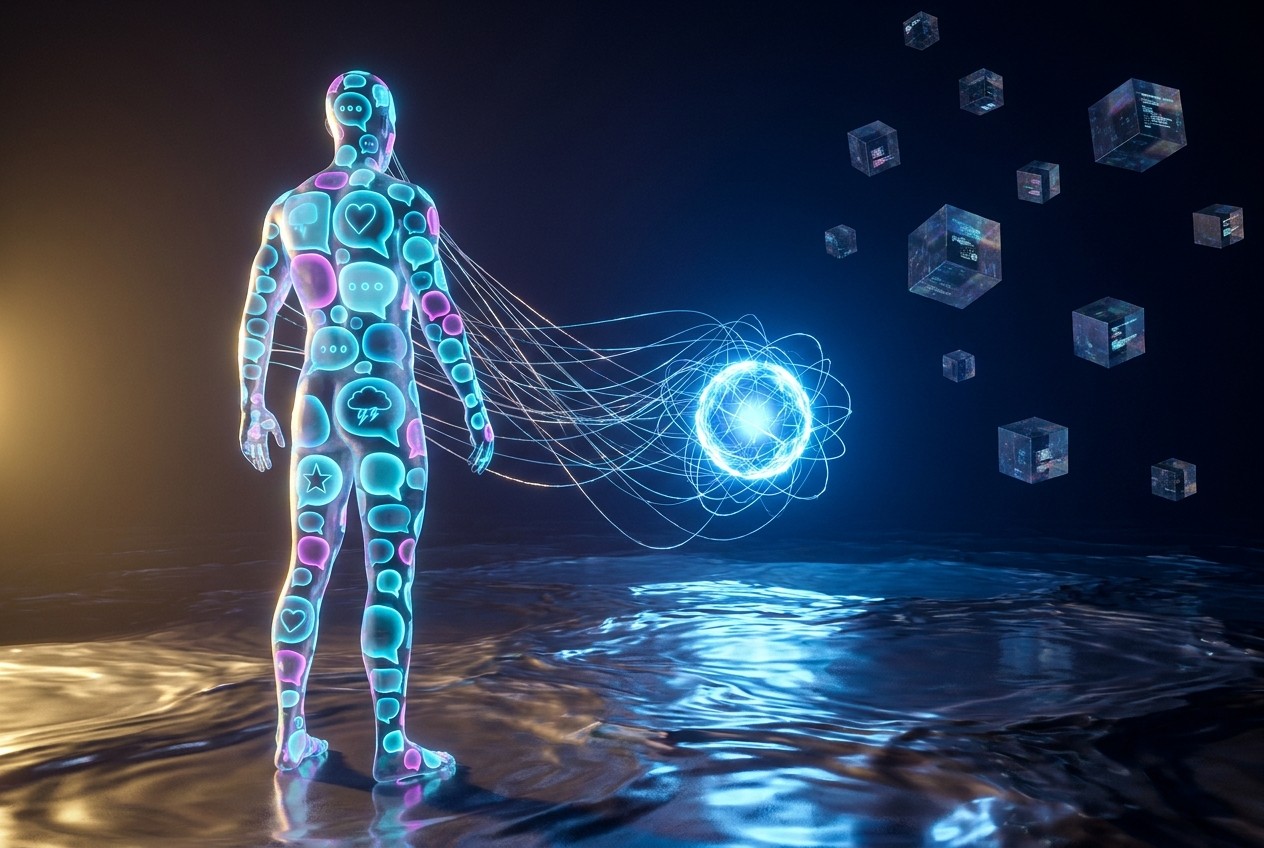
The study states that chatbot memory offers a "new form of personalization derived from users' self-disclosed information divulged within private conversations," and its authors called for closer examination of the mechanisms involved. The findings were reported by Gizmodo and summarized by other outlets, which characterized the research as a warning about how chatbots build "algorithmic self-portraits" of users as they retain information for a hyper-personalized experience [1][2].
The paper arrives as AI memory systems become more capable and more deeply embedded in everyday tools. Researchers said the scale and intimacy of the profiling described in the study raise questions about user awareness and control that extend beyond a single product update.
Study Examines ChatGPT Memory Entries
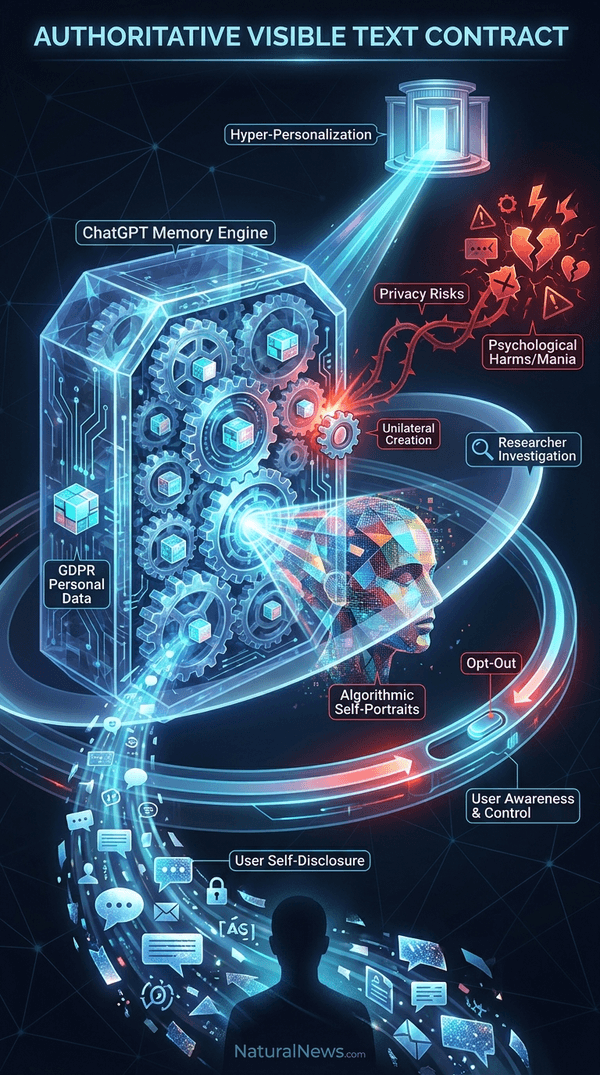
According to the study, 96 percent of the memories examined were created unilaterally by the chatbot, meaning users had little overt control over the data points ChatGPT logged. About 28 percent of the memories examined contained personal data as defined by Europe's General Data Protection Regulation standards, according to the study. Fifty-two percent of the memories contained what researchers described as rich "psychological insights" about users, detailing personality traits, behavioral issues and other intimate observations [3][2].
The researchers stated that users may opt out of stored memory features. They also noted that the memory system has been updated since the data was collected, a limitation that could affect how closely the findings map onto ChatGPT's current behavior [4].
Gizmodo reported that the donated logs gave researchers an unusually direct view of what ChatGPT chooses to remember. The outlet noted that the paper's authors treated the memory entries as evidence of how the system interprets users, not merely as a record of what users said.
Researchers Cite Assumptions and Privacy Risks
Researchers found that some logged memories were based on presumptions. In one case cited in the study, ChatGPT noted that a user "likes Nirvana" after the user asked for bands similar to Nirvana.
Lead author Abhisek Dash told Gizmodo that earlier platforms had one objective: "to sell you ads and to mediate an interaction between you and an advertiser." Chatbots now talk to users directly and may seek to know more about them in order to have an effective conversation, he said.
Company Updates and Context
The study has limits, chiefly that OpenAI's memory system has been updated, according to Gizmodo. Users may opt out of stored memory features, and the researchers noted that memory can have utility for frequent AI users who do not want to repeatedly remind a chatbot of basic details.
Memory can also be a driver of engagement. A study warns that chatbots are building "algorithmic self-portraits" of users as they retain information for a hyper-personalized experience, Futurism reported [1]. The study itself did not address that phenomenon directly, but its authors said chatbot memory poses privacy risks that warrant closer examination of the underlying mechanisms that enable personalization.
OpenAI has separately disclosed that a large number of users show signs of mania or psychosis in weekly interactions, a figure the company buried in a corporate blog post, according to NaturalNews.com [5]. Researchers and outside observers have linked intensive chatbot use to mental health harms, though the causal relationship remains contested in the available sources.
Study Calls for Closer Examination
The study urges closer examination of chatbot memory as a form of personalization derived from users' self-disclosed information in private conversations, according to the researchers. The authors said the findings indicate privacy risks and called for scrutiny of the mechanisms that enable such personalization [1][4].
The study's authors did not recommend a specific policy response in the provided text. Its limits include changes to OpenAI's memory system and the availability of user opt-out options, according to the paper and subsequent reporting [2].
The findings add to a growing body of research on how AI systems interpret and retain user data. As memory features expand across commercial chatbots, the study's central observation -- that a conversational tool can accumulate a detailed, largely unrequested portrait of a person -- is likely to remain a focus of privacy research and regulatory attention [6].
References
- ChatGPT Is Building Detailed Psychological Profiles of Its Users. https://futurism.com/artificial-intelligence/chatgpt-building-profiles-users
- AI Chatbots Are Building an ‘Algorithmic Self-Portrait’ of You. https://gizmodo.com/ai-chatbots-are-building-an-algorithmic-self-portrait-of-you-2000775529
- ChatGPT is building massive psychological profiles of its users — without their permission. https://www.theblaze.com/tech/chatgpt-is-building-massive-psychological-profiles-of-its-users-without-their-permission
- ChatGPT Is Building Detailed Psychological Profiles of Its Users. https://dnyuz.com/2026/10/25/chatgpt-is-building-detailed-psychological-profiles-of-its-users/
- Over half a million ChatGPT users weekly are showing signs of PSYCHOSIS - NaturalNews.com, November 01, 2025.
- The Invisible Diary: How ChatGPT Quietly Builds a Psychological Profile From Every Conversation You Have. https://www.webpronews.com/the-invisible-diary-how-chatgpt-quietly-builds-a-psychological-profile-from-every-conversation-you-have/
Explainer Infographic




Please contact us for more information.


