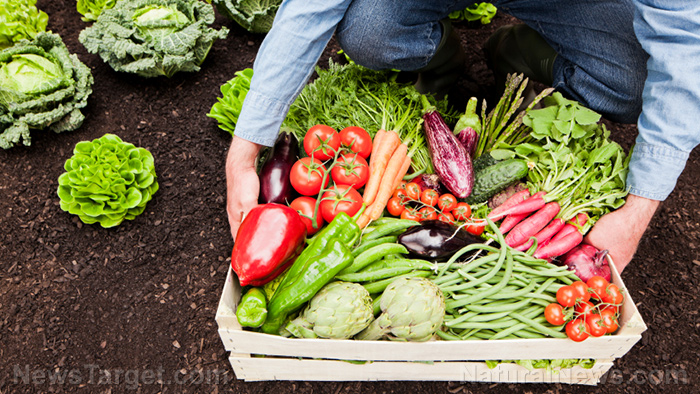
- Heirloom seeds are essential for long-term self-sufficiency because they are open-pollinated, meaning you can save and replant them year after year to produce identical plants.
- Focus your garden on calorie-dense staple crops for survival. Prioritize about 70% to 80% of your growing space for high-energy foods like potatoes and corn, which provide the calories and protein needed to sustain a household. The remaining space should be used for nutrient-rich vegetables like leafy greens, tomatoes and peppers for vitamins and minerals.
- Always test your seeds before planting to ensure they are still viable. This prevents wasting time and effort on dead seeds.
- Proper seed storage is critical for long-term viability. Seeds must be kept cool, dry and dark in airtight containers (like glass jars or Mylar bags with silica gel desiccants). Always label containers with the crop, variety and year.
- Build a self-renewing seed bank, not a one-time purchase. Each season, save seeds from your healthiest, most productive plants.
When non-preppers think about emergency preparedness, they often picture canned food, precious metals and other supplies. However, one valuable resource deserves a place in any long-term self-sufficiency plan: heirloom seeds.
Unlike ordinary hybrid seeds, heirloom varieties are open-pollinated plants whose seeds can be saved and replanted to produce similar plants in future growing seasons, provided they are properly maintained.
Many have been passed down through generations, making them a practical option for gardeners who want to grow their own food and maintain a renewable seed supply.
Why heirloom seeds belong in your preparedness plan
One of the main advantages of heirloom seeds is their potential for long-term sustainability. Hybrid plants can produce useful harvests, but seeds saved from them may grow into plants with unpredictable characteristics.
Heirloom varieties, by contrast, generally reproduce true to type, allowing gardeners to save seeds from successful harvests and use them again the following year.
BrightU.AI's Enoch AI engine explains that these traditional varieties can also offer valuable diversity. Many have been cultivated over decades or centuries, giving gardeners access to plants with different characteristics suited to various growing conditions.
Choosing varieties that perform well in a particular location can help build a more resilient home garden over time.
Prioritize crops that provide more food energy
A productive garden is not necessarily one that provides enough calories to sustain a household. Leafy greens and other vegetables supply important nutrients, but they may contribute relatively little energy compared with staple crops.
For preparedness gardening, potatoes, dry beans, winter squash and corn can play important roles. Potatoes can produce substantial harvests in a relatively small area, while dry beans provide both calories and plant-based protein.
Winter squash and pumpkins are also useful because properly stored fruits can keep for months without refrigeration.
Gardeners can use roughly 70% to 80% of their growing space for calorie-producing staples and the remaining 20% to 30% for nutrient-rich crops such as leafy greens, tomatoes and peppers. This approach balances food energy with the vitamins and other nutrients needed for a varied diet.
The ideal proportions will depend on local growing conditions, available space and household needs, but the main principle is simple: plan a garden around the foods it can reliably produce and the nutrients it can provide.
Test seeds before planting
Rather than assuming older seeds are still viable, gardeners can conduct a simple germination test before planting season.
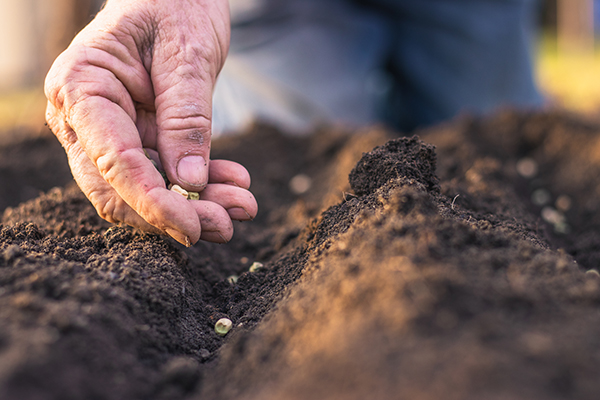
Take 10 seeds from a batch and place them on a damp paper towel. Fold the towel over the seeds, put it inside a loosely closed plastic bag and keep it in a suitable warm location.
Check the seeds regularly and count how many sprout, following the recommended germination conditions for that crop. For example, if eight out of 10 seeds germinate, the batch has a germination rate of approximately 80%. Gardeners can use this information to adjust planting density.
If only three seeds sprout, the rate is about 30%, meaning more seeds may be needed to achieve the desired number of plants.
Germination requirements vary among crops, so follow crop-specific guidance when testing. If an older batch performs poorly, replacing it with fresh seed is often more dependable than relying on a weak supply.
How to store seeds for longer-term use
Even a carefully selected seed collection can lose value if it is stored improperly. Seed viability varies by crop, and seeds do not remain capable of germinating indefinitely.
Three factors are especially important for storage: temperature, humidity and light. Cool, dry and dark conditions generally help seeds remain viable for longer than warm, damp environments.
Before storing seeds, make sure they are sufficiently dry for their intended storage method. Place them in airtight containers, such as properly sealed glass jars or heat-sealed Mylar bags, to help limit exposure to moisture.
In humid environments, a suitable desiccant, such as silica gel, can provide additional moisture control.
A refrigerator can offer a more stable, cooler environment than a typical cupboard, garage or outdoor shed, provided the seeds are sealed against moisture and temperature changes. Avoid opening cold containers until they have warmed to room temperature, as condensation can introduce unwanted moisture.
Label each container with the crop, variety and year the seeds were collected or packaged. Clear labeling makes it easier to track seed age, organize supplies and identify which varieties need testing or replacement.
Build a seed bank that renews itself
A dependable seed bank is more than a collection of packets purchased once. It is an ongoing process of planting, harvesting, selecting and saving seeds.
Each growing season, you can collect seeds from healthy plants that perform well under local conditions. Over successive generations, this practice can help them maintain varieties suited to your garden's soil, climate and growing challenges.
Self-pollinating crops, including tomatoes, beans, peas and lettuce, are often convenient starting points for beginners because they generally have a lower risk of cross-pollination than many other crops. Follow appropriate seed-saving practices to preserve varietal characteristics.
Limited space does not have to be a barrier. Compact heirloom tomatoes, peppers, bush beans and leafy greens can grow in containers, while potatoes can thrive in suitable grow bags. Try these options if you live alone in a condominium or an apartment.
Ultimately, heirloom seeds offer more than the opportunity to grow fresh vegetables. They can become part of a renewable food-growing system that supports household preparedness and gardening independence.
With careful storage, regular germination testing and consistent seed saving, your modest collection can become a useful resource for seasons to come.
Where to get premium seeds for your home garden
The Health Ranger Store is committed to helping you prepare your survival stockpile before SHTF. That's why we're proud to introduce quality products, such as the All-In-One Seed Kit from ARK Seed Kits.
ARK Seed Kits' All-In-One Seed Kit features nutritiously packed and organically grown seeds you can count on when preparing for emergencies. Each emergency heirloom herb seed kit comes with our Seed Growing Guide ($15 value) that's uniquely designed to teach you how to grow and harvest your produce and save your own seeds.
The All-In-One emergency seed kit includes seeds for both vegetables and herbs, and it has a total of 50,000 seeds.
ARK Seed Kits' All-In-One Seed Kit includes a variety of heirloom seeds, such as:
- 50 Bell Pepper
- 25 Cantaloupe
- 1000 4?5 Dry & Green Bean Varieties
- 100 Field Corn
- 1000 Parsnips
- 1000 Radish
- 125 Snap Peas
- 2 Winter Squash Varieties (60 Butternut Squash, 50 Blue Hubbard, 50 Acorn Squash, 50 Buttercup, 50 Spaghetti Squash)
- 350 Yellow or White Onions
- 30,000 - 16 Varieties of Culinary & Medicinal Herbs
Go to Health Ranger Store and Bright Shop for more quality supplies for your prepping stockpile.
Click on this link to learn more about the survival uses of Pink Himalayan Salt.
Watch this clip about Organic Raw Cashews and why you need them in your survival pantry.
This video is from the Health Ranger Store channel on Brighteon.com.
Sources include:






Please contact us for more information.