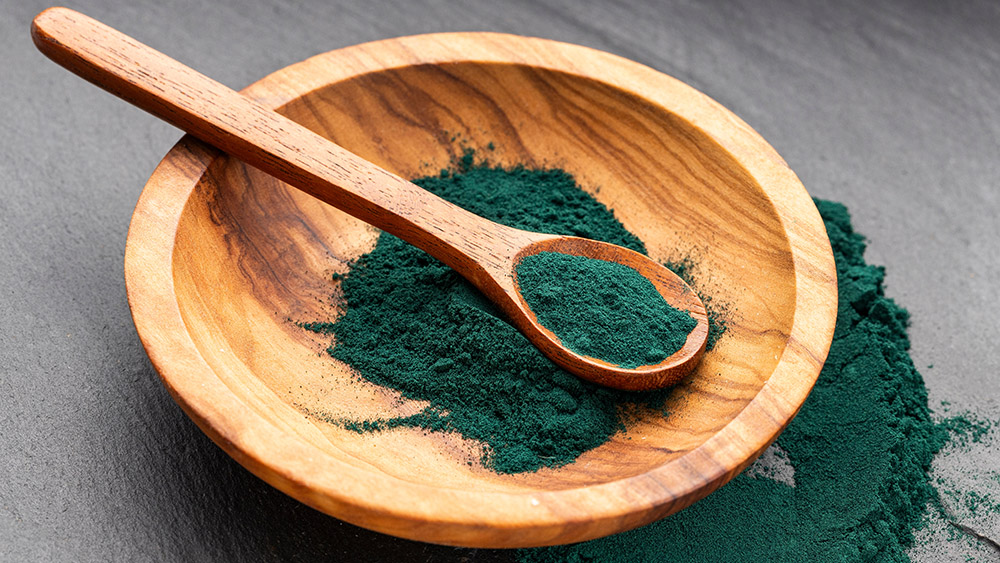
- Spirulina, a pond algae, may help athletes recover faster and push harder during training.
- A Beijing Sport University review of 22 trials found spirulina reduces muscle damage markers like creatine kinase.
- In one standout trial, spirulina shifted runners to burn more fat and less carbohydrate for fuel, helping them sustain effort longer in a follow-up sprint test.
- Its phycocyanin compound neutralizes exercise-induced free radicals, reducing tissue damage and accelerating repair.
- Benefits require consistent daily use of one to two grams, with best results after resistance training over several weeks.
A sweeping new analysis from Beijing Sport University has uncovered compelling evidence that common pond algae may help athletes recover faster and push harder during training. Researchers reviewed 22 randomized trials examining how spirulina, chlorella, and related algae affect exercise performance in healthy adults and athletes, publishing findings that challenge conventional wisdom about muscle recovery.
The review found that spirulina showed the most pronounced effect on reducing muscle damage markers like creatine kinase, particularly after resistance training sessions. Participants taking the algae also demonstrated significantly improved time to exhaustion during endurance tests.
Spirulina edges out chlorella for muscle protection
While both algae types showed benefits, they appeared to work differently. Spirulina proved more effective at reducing inflammation and muscle tissue damage, largely due to its high concentration of phycocyanin, a powerful antioxidant compound. Chlorella, in contrast, showed stronger results in improving raw aerobic capacity.
One standout trial within the analysis found that spirulina supplementation shifted runners' fuel use during two hours of steady running, with participants relying more heavily on stored fat and less on carbohydrates than a placebo group did. That metabolic shift helped them sustain effort longer during a follow-up sprint test, since fat reserves hold out longer than glycogen stores.
However, not every performance metric improved. Real-world race-pace simulations showed no statistically significant benefit from algae supplementation, suggesting the effects may be more pronounced in controlled laboratory settings than actual competition environments.
How spirulina counteracts exercise-induced cellular damage
Strenuous physical activity floods the body with reactive oxygen species — unstable molecules that attack muscle tissue and fuel the soreness felt days later. Spirulina's phycocyanin compound neutralizes these molecules before they accumulate, reducing initial tissue damage and accelerating repair processes.
The algae also delivers highly absorbable iron and protein, both critical for oxygen transport during endurance activities. Because it doesn't contain the phytates and oxalates that limit iron absorption from many plant foods, spirulina may explain the measurable hemoglobin gains researchers observed even in exercisers who weren't anemic to begin with.
A separate animal study from Ningbo University reinforced these findings. Mice receiving high-concentration spirulina supplements while undergoing intense running regimens showed 1.27 times greater tensile strength than exercised mice receiving only saline. Their muscle fibers remained more orderly arranged, and liver cells stayed tightly packed around central veins, contrasting sharply with damage seen in unsupplemented animals.
Other factors that make a difference
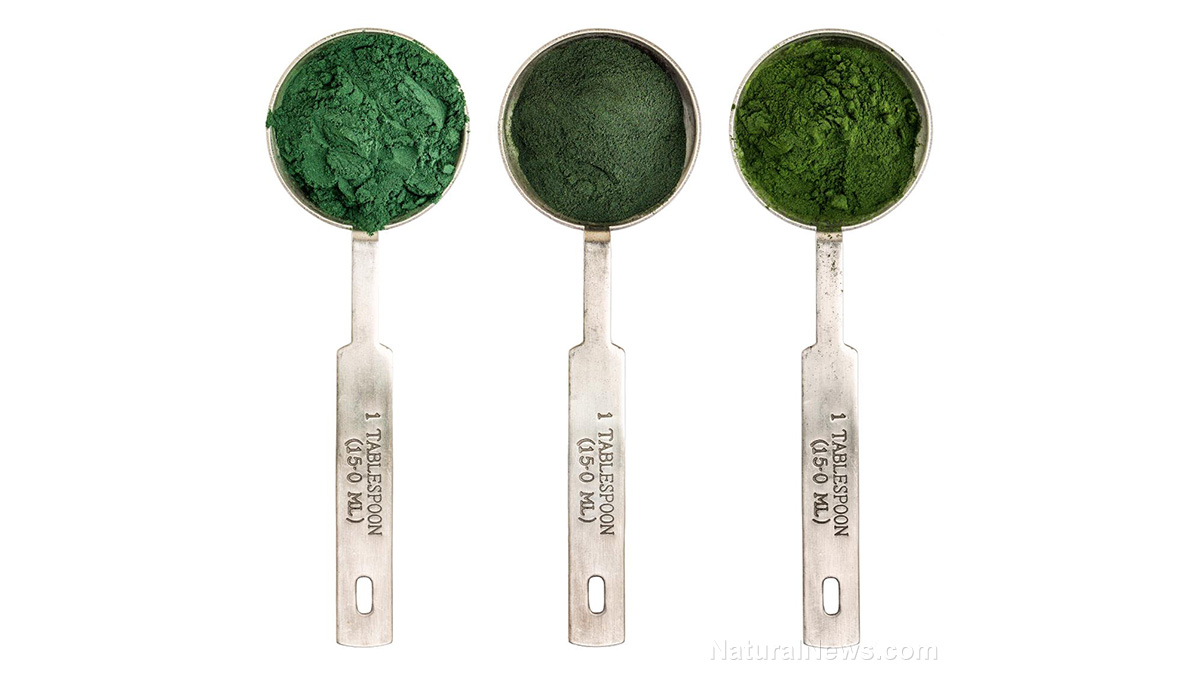
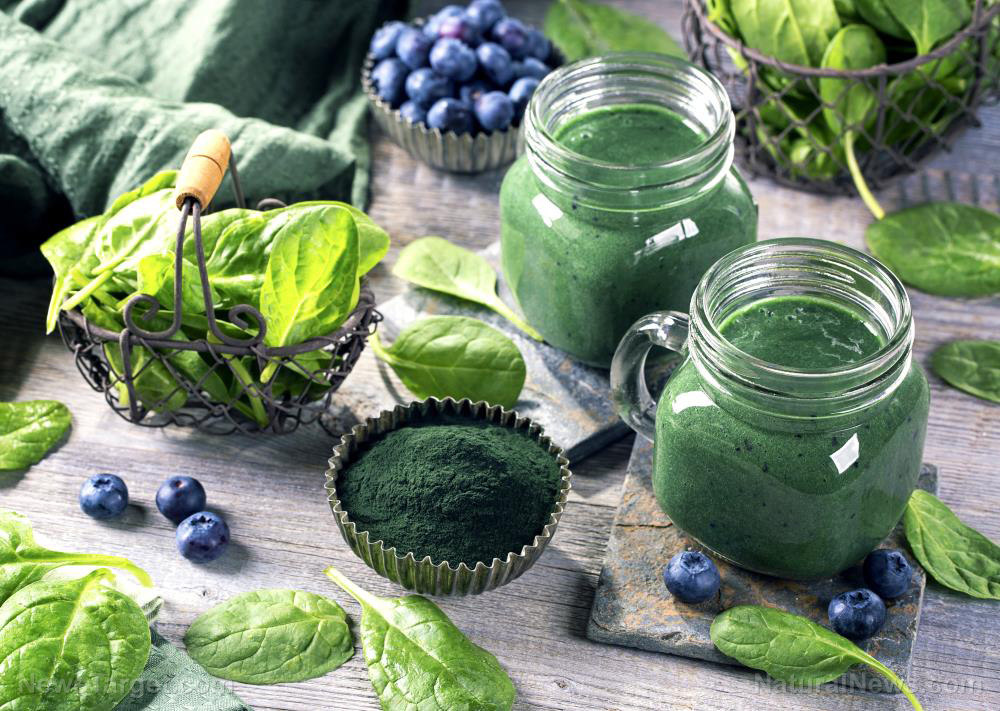
The review noted that benefits depended heavily on consistent use over several weeks rather than single doses before workouts. Most effective trials used one to two grams daily, mixed into shakes or food, with the clearest recovery advantages appearing after resistance training rather than steady cardio sessions.
Gut health may play an unexpected role. The Ningbo University research found that spirulina supplementation increased diversity and richness of gut microbiota in exercised mice. Beneficial bacterial groups like Muribaculaceae expanded, while harmful populations declined. These microbial shifts correlated with improved oxidative stress markers and physical performance measures.
Researchers cautioned that results varied based on algae type, dosage, and individual training background, meaning not everyone will respond identically. They also noted that spirulina should complement, not replace, proper rest, hydration, and sleep.
For athletes and active adults wary of pharmaceutical-grade recovery aids, the appeal is straightforward: a low-cost, naturally derived supplement with a growing body of evidence behind it, rather than another product engineered primarily for profit. Researchers at Ningbo University are now running a two-month clinical trial with college students and football players to see whether these results hold up in humans over a longer stretch — a test that could determine whether pond algae moves from fringe supplement to standard recovery protocol.
Sources for this article include:







Please contact us for more information.