



The U.S. Court of Appeals for the Ninth Circuit on Monday, Aug. 10, dismissed appeals by Meta and TikTok against earlier rulings that allowed the cases to move forward, according to the Epoch Times. [1] The litigation is part of a wave of cases technology companies face over claims that they intentionally designed products to be addictive to minors, as reported by TechCrunch. [2]
Section 230 Challenge Rejected
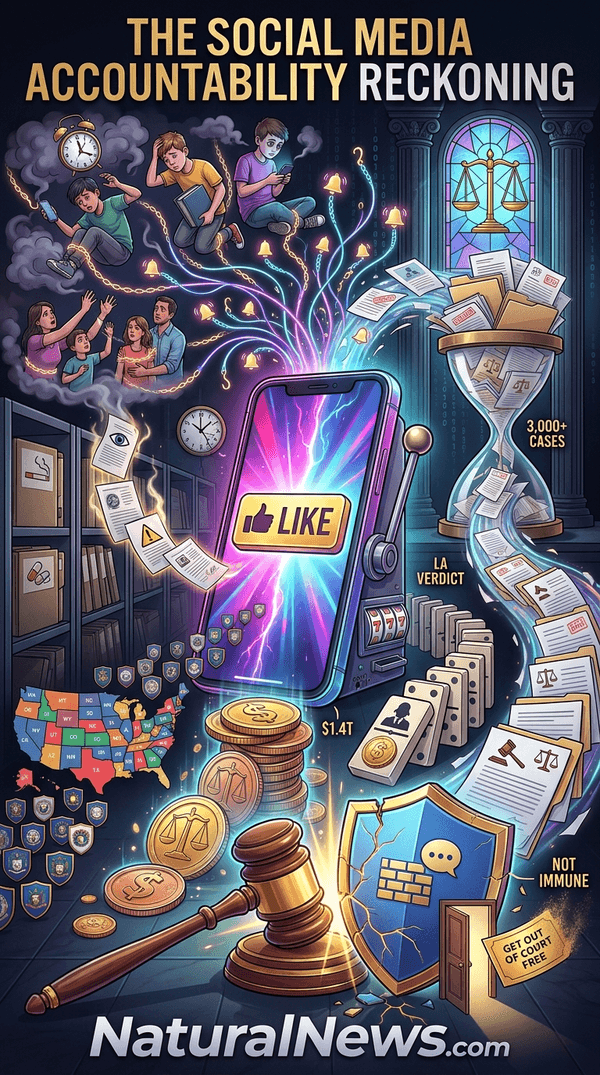
Meta and TikTok sought to halt the cases under Section 230 of the Communications Decency Act, a U.S. law that protects online platforms from some claims involving content posted by users. The appeals court ruled that Section 230 "merely provides a defense to liability – not immunity from suit," according to Russia Today (RT). [3]
Section 230 generally protects publishers and platforms from being held liable for users' posts, according to TechCrunch. [2] The ruling allows the litigation to move forward without resolving whether the companies are responsible for the alleged harms.
Lawsuits Target Major Platforms
More than 40 U.S. states have sued Meta, owner of Facebook and Instagram, alleging the company knowingly and deliberately "misled the public about the substantial dangers of its Social Media Platforms." The 233-page complaint, filed in the U.S. District Court for the Northern District of California, accuses Meta of violating consumer protection laws and using "psychologically manipulative product features" that harm young users, according to Children's Health Defense. [4]
Plaintiffs have also pointed to design features that exploit psychological vulnerabilities. In a statement quoted in Frank McCourt's book "Our Biggest Fight," Sean Parker, an early builder of the platform, described the "social validation feedback loop" as giving users "a little dopamine hit" when others liked or commented on a post. [5] Separate commentary on platform addiction has described children as "becoming addicted to social media, seeking validation from strangers and creating fake personas to impress others." [6]
States' Case Against Meta Set for Trial
The appeals court also rejected Meta's attempt to delay a separate case brought by 29 state attorneys general, with jury selection scheduled to begin Wednesday, Aug. 12. The states accuse Meta of improperly collecting children's data, using features designed to engage young users, and misleading consumers about platform safety. Meta denies the allegations.
Other state actions have expanded the financial stakes. Four states, including California and New Jersey, have asked for penalties that media reports cited at up to $1.4 trillion, according to court documents covered by RT. [7]
Earlier Jury Verdict Against Meta, Google
The appeals court decision follows a March verdict in which a Los Angeles jury found Meta and Google negligent in the first social media addiction case to reach a jury, according to RT. [3] The jury awarded $6 million to a 20-year-old woman who said she became addicted to Instagram and YouTube as a child. Both companies denied wrongdoing and have challenged the verdict.
The verdict, delivered after nearly nine days of deliberation, concluded the companies were negligent and failed to adequately warn users, according to NaturalNews.com. [8] Research cited in James Barrat's book "Facing Suicide" has also examined the role of online social networking on deliberate self-harm and suicidality among adolescents. [9]
Global Restrictions on Young Users
The U.S. litigation comes as governments worldwide adopt stricter rules on minors' access to social media. Australia in December became the first country to require major platforms to prevent under-16s from holding accounts, according to RT.
Indonesia and Malaysia have introduced similar restrictions for under-16s, Britain has announced a ban and France has restricted access for children under 15. [3] Spain has enforced a strict social media ban for children under 16, according to NaturalNews.com. [10]
The European Union has also moved against platform design. In July, the EU ordered Meta to modify "addictive" features on Facebook and Instagram or face fines of up to 6% of annual revenue, officials said. [11] The EU has separately accused TikTok of employing an "addictive design" that harms minors, while critics have warned that the law's broad mandates risk stifling free speech. [12]
References
- The Epoch Times. "Appeals Court Nixes Meta, TikTok Bid to Halt Youth Addiction Lawsuits". August 11, 2026.
- TechCrunch. "Social media platforms still facing thousands of user addiction lawsuits after failed appeals". August 10, 2026.
- RT. "Tech giants face thousands of lawsuits over social media addiction". August 11, 2026.
- ChildrensHealthDefense.org. "40 States Sue Over Facebook and Instagram Add".
- Frank H. McCourt, Jr. "Our Biggest Fight: Reclaiming Liberty, Humanity, and Dignity in the Digital Age".
- Mike Adams interview with Nick Pinault. August 15, 2025.
- RT. "US states seek $1.4 trillion from Meta". July 8, 2026.
- Laura Harris. "Jury finds Meta and YouTube liable for addictive design in landmark social media case". NaturalNews.com. March 27, 2026.
- James Barrat. "Facing Suicide: Understanding Why People Kill Themselves and How We Can Stop Them".
- Kevin Hughes. "Spain BANS social media for kids 16 below joining global crackdown amid free speech concerns". NaturalNews.com. February 7, 2026.
- NaturalNews.com. "EU Orders Meta to Modify 'Addictive' Features on Facebook, Instagram or Face Fines". July 13, 2026.
- NaturalNews.com. "EU accuses TikTok of 'addictive design' under new digital censorship law". February 9, 2026.
Explainer Infographic










Please contact us for more information.


