


- U.S. strikes on Iran risk escalating into a costly, prolonged conflict that contradicts Trump's promise to stop distant wars.
- Americans already face higher gas prices, with the national average rising from $2.98 to $3.85 since the war began.
- Fertilizer shortages from Gulf disruptions threaten U.S. crop yields and food security, with urea prices up 35 percent.
- The conflict diverts military resources from the Pacific, undermining deterrence against China, America's primary long-term rival.
- Every dollar and warship spent in the Gulf undercuts rebuilding at home, making the cost of victory potentially worse than withdrawal.
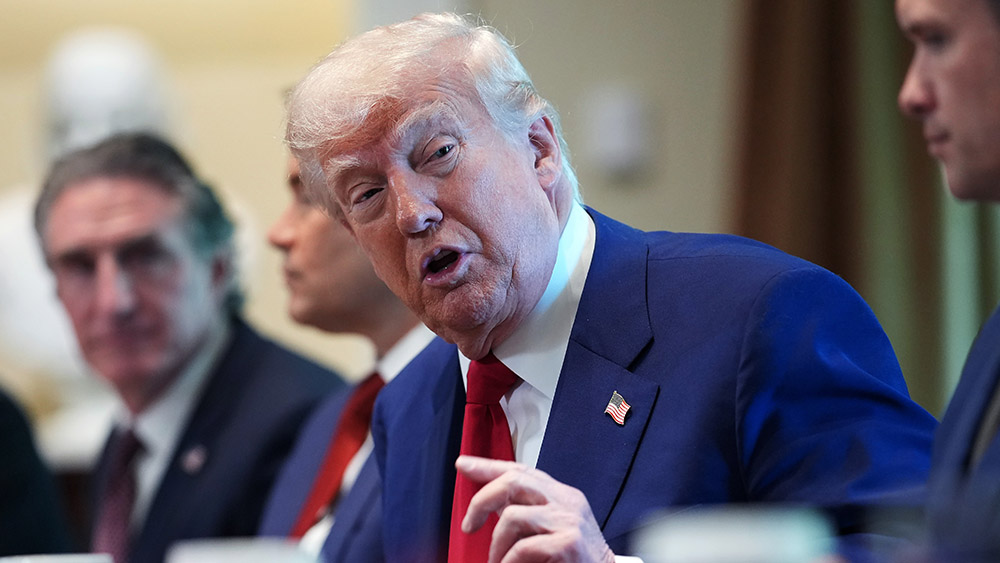
The renewed U.S. strikes on Iran are testing the promise that carried Donald Trump back to the White House: that Washington would stop bankrolling distant wars and start rebuilding at home. Few doubt America can beat Iran outright. The harder question is whether a short operation stays short — and whether the country can afford the bill if it doesn't. Wars rarely go wrong because U.S. forces lose battles; they go wrong when the fighting drags and the costs climb.
The bite Americans already feel at the pump
When the Persian Gulf shakes, oil markets move within hours, and Americans feel it fast. Most judge foreign policy by the cost of filling a tank, not by what happens in a briefing room. The Joint Economic Committee's Democrats put the added fuel bill at $56.4 billion since the fighting began, and AAA clocked the national gas average at $3.85 a gallon on July 14, up from $2.98 on Feb. 26, just before the war began on Feb. 28.
Economists expect the pain to spread. "The war is putting upward pressure on prices for gasoline, electricity, and groceries through higher transportation, packaging and fertilizer costs," said Wayne Winegarden of the Pacific Research Institute. "This will worsen affordability for families already struggling with the high cost of living."
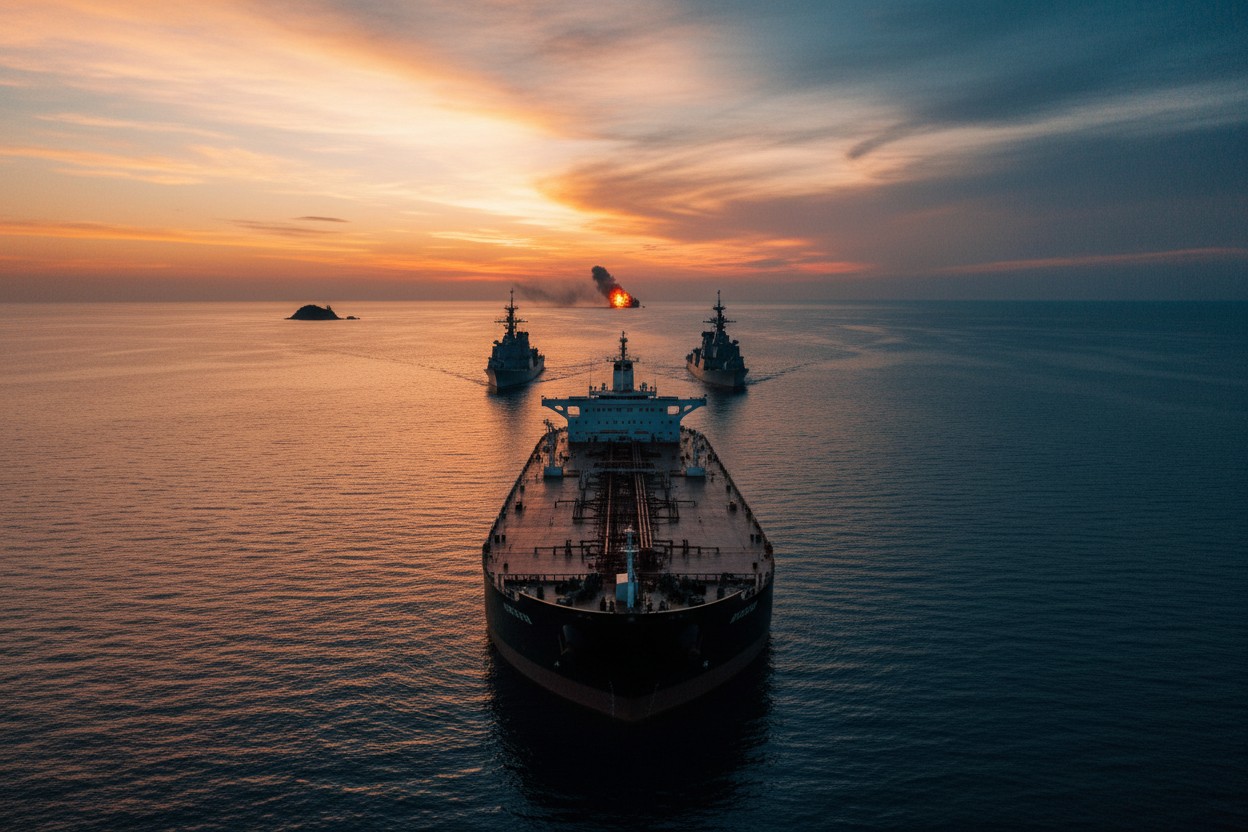
Much of that pressure runs through the Strait of Hormuz, which normally carries about a fifth of the world's oil along with fertilizer feedstocks and liquefied natural gas. Tehran has threatened to fire on vessels trying to pass and has reportedly mined the route. Rerouting on any real scale isn't practical, and even brief closures ripple through global supply chains.
Fertilizer shocks that reach the American farm
Farmers may feel it next. In a letter to the president, American Farm Bureau Federation head Zippy Duvall warned of fertilizer shortages and higher prices that would reach grocery aisles. The U.S. "risks a shortfall in crops," he wrote — "a threat to our food security, and by extension our national security." The Gulf supplies nearly half the world's urea exports and about a third of its ammonia, by the Farm Bureau's own count, and urea prices have jumped 35 percent since the strikes began. As one economist told TIME, when fertilizer can't reach market, farmers use less, yields fall, and food costs rise.
Turning away from the real rival in Beijing
The deeper cost may be strategic. Both parties largely agree the long-term contest is with China, not Iran. Yet ships and munitions sent to the Gulf can't also guard the Pacific, and every interceptor fired over the Middle East must be rebuilt before it can deter Beijing. "This is precisely the wrong time for the United States to turn away and be sucked into another intractable Middle East conflict," said Danny Russel of the Asia Society Policy Institute.
The administration's own late-2025 security strategy had narrowed American aims in Asia to deterring China around Taiwan and the First Island Chain, precisely so a domestic energy boom could let Washington ease off the Middle East. Then the strikes came. Sen. Jeanne Shaheen, back from Taiwan, Japan and South Korea, said allies are rattled to see U.S. missile defenses leave South Korea and a Marine unit exit Japan. "Failure is not an option," she said, warning that Beijing is watching how far America lets itself be drawn away.
Why walking away may beat winning
Supporters counter that a sharp, limited blow can restore deterrence without another Iraq. Perhaps. But the test of a war is not whether the bombs land; it is whether the country emerges stronger. Sen. Chuck Schumer sees the opposite, calling the president's "rinse and repeat approach to the Iran war... a recipe for utter disaster."
This is the trap. A president who won by vowing to stop pouring American blood and treasure into other nations' fights now risks doing exactly that — as the debt climbs, the pump stings, and China waits. Every dollar and every warship committed to the Gulf is one not spent rebuilding at home, where voters were promised the money would finally go. The course Trump once championed remains the right one: end the war, bring the resources home, and put Americans first. If Washington refuses, the price of this victory may dwarf the cost of walking away.
Sources for this article include:




Please contact us for more information.


