


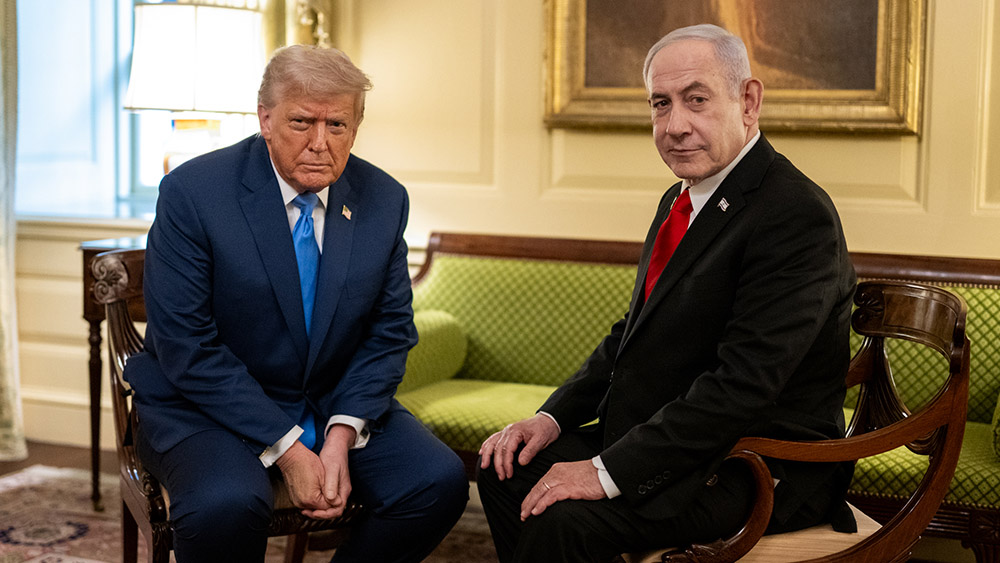
- A tense phone call on May 19 revealed a deep strategic split between the U.S. and Israel. Israeli Prime Minister Benjamin Netanyahu wants to immediately resume military strikes against Iran, while President Donald Trump is insisting on giving diplomacy a "few more days" before resorting to more bombing.
- Trump abruptly halted a planned new wave of American attacks on Iran, angering Israeli officials. He changed his mind after pressure from Gulf allies, who asked for more time for regional mediation. Israel fears Iran is using this diplomatic pause to regroup its military and nuclear capabilities.
- A ceasefire brokered by Trump between Israel and Iran fell apart almost as soon as it started. Both nations accused each other of violating the truce with new missile strikes. Trump expressed frustration, stating he was "not pleased" with Israel and demanded it stop its bombing campaign.
- Mediators from Pakistan and Qatar are working on a "letter of intent" to formally end the war. This would trigger a 30-day window for talks focused on Iran's nuclear program, sanctions relief, and the reopening of the Strait of Hormuz. Iran is holding firm on its key demands, including an end to attacks on its shipping and the release of frozen assets.
- Trump has warned that if talks fail, military action could resume "very quickly." However, the conflict highlights the unstable alliance between the U.S. and Israel. While both want to stop Iran, they disagree on timing and strategy, raising the question of whether their partnership can survive this growing rift.
The decades-long alliance between United States President Donald Trump and Israeli Prime Minister Benjamin Netanyahu has entered one of its most strained periods, as a tense phone call on May 19 revealed a sharp and widening disagreement over how to handle the escalating conflict with Iran.
The conversation, described by multiple outlets as heated and lasting roughly an hour, laid bare a fundamental strategic rift: Netanyahu wants to resume military strikes immediately, while Trump is demanding more time for diplomacy.
The call came just hours after Trump abruptly halted a planned new wave of American attacks on Iran, an operation reportedly designated "Operation Sledgehammer."
According to several reports, Netanyahu pressed the U.S. president aggressively to proceed with the strikes, arguing that any delay would allow Tehran to regroup, rebuild its military infrastructure and drag out negotiations indefinitely. Trump, however, insisted that diplomacy should be given "a few more days" before considering another round of bombing.
The tense call makes it clear that Israel and the U.S. have different goals
The disagreement represents one of the clearest public signs yet that Washington and Tel Aviv are no longer fully aligned on how to end the war that began with U.S.-Israeli strikes on Iranian nuclear facilities earlier this year. While both leaders have long shared a close political bond, Trump recognized Jerusalem as Israel's capital, moved the U.S. embassy there and brokered the Abraham Accords, tensions over Iran strategy have simmered beneath the surface for months.
Trump has consistently favored a combination of maximum economic pressure, dramatic public threats and last-minute negotiation.
Netanyahu, by contrast, has pushed for sustained and deeper military action against Iran's nuclear and military infrastructure. This fundamental difference has now erupted into open friction.
The call reportedly left Israeli officials furious. According to reports, U.S. officials briefed on the conversation described Netanyahu's reaction in blunt terms: "Bibi's hair was on fire after the call."
The Israeli leader and his senior advisors fear that Trump is slipping back into a pattern that has repeatedly frustrated Tel Aviv throughout the war, one of issuing threats of overwhelming force, only to pause at the last moment in pursuit of a negotiated breakthrough.
Trump had reportedly informed Netanyahu on May 17 that he was inclined to move forward with fresh attacks early this week.
But within 24 hours, the U.S. president reversed course. The reason, according to reports, was pressure from Gulf allies, including the United Arab Emirates, Qatar and Saudi Arabia, who urged Washington to allow regional mediation efforts more time. That decision infuriated Israel, which believes Tehran is exploiting diplomacy to buy time while preserving its military and nuclear capabilities.
Israel and Iran accuse each other of breaching a truce
A ceasefire brokered by Trump between Israel and Iran disintegrated almost immediately after its supposed start, with both sides accusing each other of breaching the truce through new missile strikes. The conflict, now entering its 12th day, began with Israeli airstrikes targeting Iran's nuclear facilities and quickly escalated into a perilous regional confrontation, drawing the United States into the fray before a brief pause was announced.
Trump, who had heralded the truce as a significant diplomatic achievement, expressed deep frustration. He told reporters that both sides had violated the agreement, adding that he was not pleased with Israel.
In a pointed social media post, he demanded that Israel stop its bombing campaign, warning that further strikes would constitute a major violation. Netanyahu's office later acknowledged that Israel halted additional attacks after Trump's intervention.
Despite the private friction, Trump attempted to project unity in public. When asked about Netanyahu, he told reporters, "He'll do whatever I want him to do."
But the underlying split was unmistakable. While Israel wants the war resumed quickly to further degrade Iran's military capabilities, Trump increasingly appears focused on testing whether a political off-ramp remains possible.
At the center of the diplomacy is a proposed "letter of intent" being shaped by mediators from Pakistan and Qatar. The document would formally end the war and trigger a 30-day negotiation window focused on Iran's nuclear program, sanctions relief, frozen Iranian funds and the reopening of the Strait of Hormuz.
Regional diplomacy has intensified, with Pakistan, Qatar, Saudi Arabia, Turkey and Egypt working on revised drafts to bridge the gap between Washington and Tehran.
Iran, however, has shown little sign of backing away from its core demands. Tehran continues to insist on an end to attacks on Iranian shipping, the release of frozen assets, sanctions relief and regional security guarantees.
Broader issues, including Israel's military operations in Lebanon and U.S. naval actions in the Gulf, remain tied to any final settlement.
Trump warned on May 20 that if talks fail, military action could resume "very quickly." He said, "If we don't get the right answers, it goes very quickly. We're all ready to go."
But the latest developments highlight the increasingly fragile balance between diplomacy and escalation in the region, with Gulf mediators racing to prevent another round of war even as Israeli leaders openly push for renewed strikes.
The question now is whether the alliance between Trump and Netanyahu can withstand the pressure, or whether the divide over Iran strategy will deepen into a full-blown rift.
Watch this clip about Iran imposing its demands.
This video is from the Cynthia's Pursuit of Truth channel on Brighteon.com.
Sources include:








Please contact us for more information.


