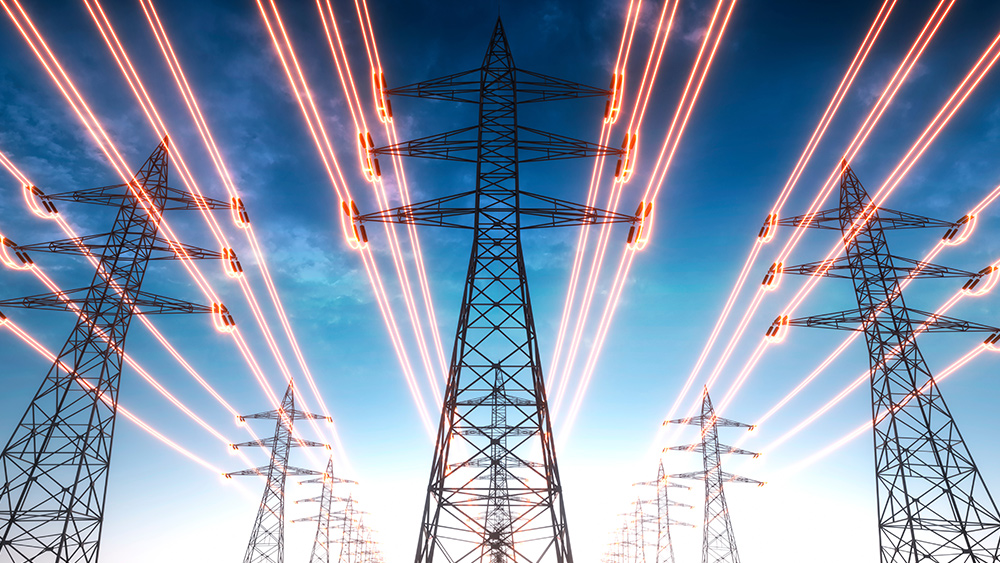
- On Wednesday at 9:14 a.m., Cuba's national power grid collapsed for the fifth time in less than a year due to a failure at the Antonio Guiteras thermoelectric plant, plunging nearly 10 million people into darkness and chaos.
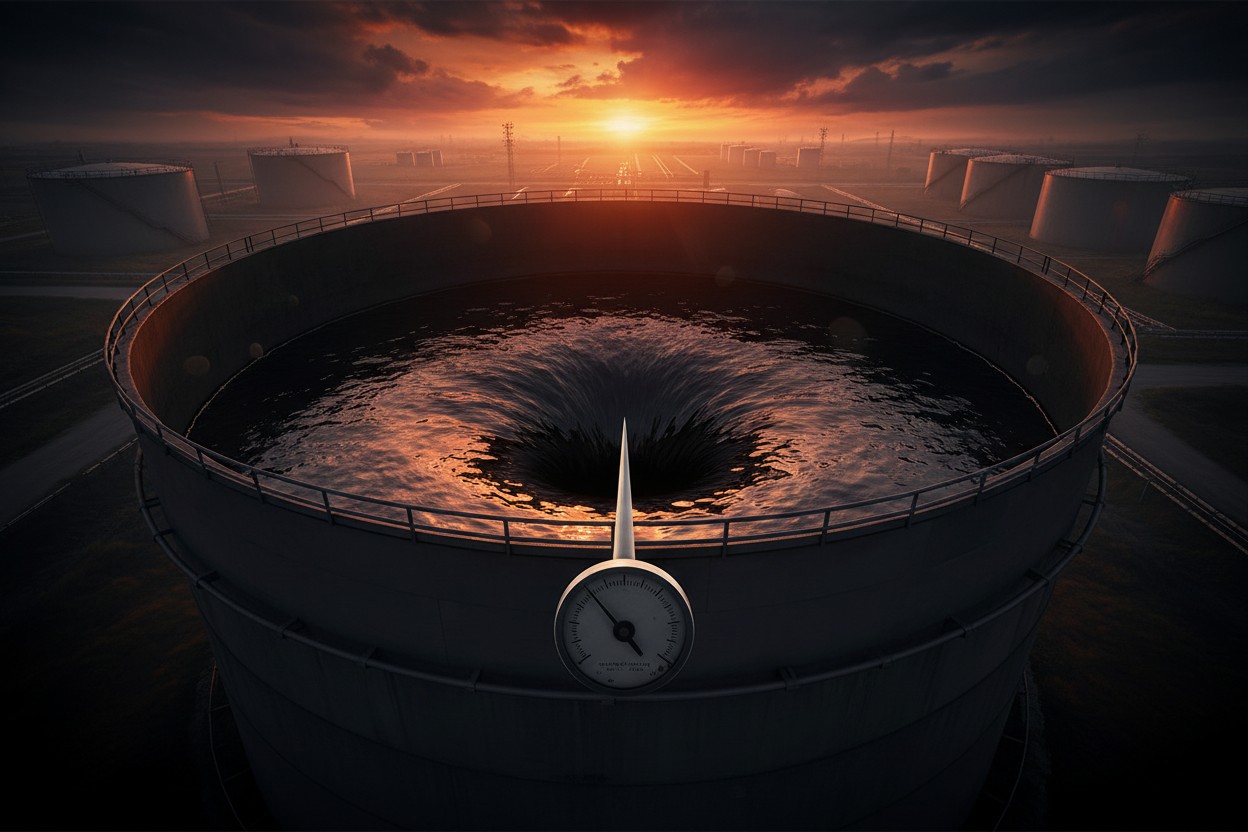
- The crisis stems from the complete exhaustion of diesel and fuel oil reserves after a single Russian tanker's supply ran out, leaving the grid unable to meet even one-third of national demand.
- Cuba's government blames the crisis on a U.S. energy blockade that has cut off nearly all fuel imports since January, while Washington cites Cuban mismanagement and corruption.
- The blackouts have triggered widespread public anger and protests in Havana and surrounding areas, with residents banging pots and lighting fires—unrest not seen in nearly 30 years.
- The article warns that America's own aging, underfunded and renewable-dependent grid is vulnerable to similar catastrophic failures, as seen in Spain's recent blackout.
Cuba's communist government has spent decades neglecting its power grid, relying on aging oil-fired plants and dwindling fuel imports from Venezuela, Russia and Mexico. The result is a system so fragile that a single plant failure can trigger nationwide collapse. Sound familiar? America's own grid is aging, underfunded and increasingly dependent on unstable renewable energy sources—just like Spain, which suffered a catastrophic blackout earlier this year when its renewable-heavy grid failed under stress.
On Wednesday morning at 9:14 a.m., Cuba's national power grid collapsed for the fifth time in less than a year, plunging nearly 10 million people into darkness. Hospitals, airports, and water pumps limped along on backup systems, but most residents faced yet another day of chaos—cooking with firewood, scrambling for water, and waiting for power that might not return for days. The blackout, caused by a failure at the Antonio Guiteras thermoelectric plant, is just the latest symptom of Cuba's crumbling infrastructure, fuel shortages, and economic crisis. But here's the sobering truth: This could easily happen in the United States.
Why it matters
A nation of 10 million people has been plunged into darkness after Cuba's government announced it has completely exhausted its diesel and fuel oil reserves, triggering sporadic civil unrest in Havana and other cities. The crisis stems from a U.S. energy blockade that has cut off nearly all fuel imports since January, leaving the island's aging power grid unable to meet even a third of national demand.
Every Cuban citizen is affected, from hospital patients to factory workers, as the government admits it can only cover about one-third of the country's electricity needs. Energy Minister Vicente de la O Levy delivered the grim assessment late Wednesday: "The system has been left without any fuel reserves. There is absolutely nothing."
The energy collapse
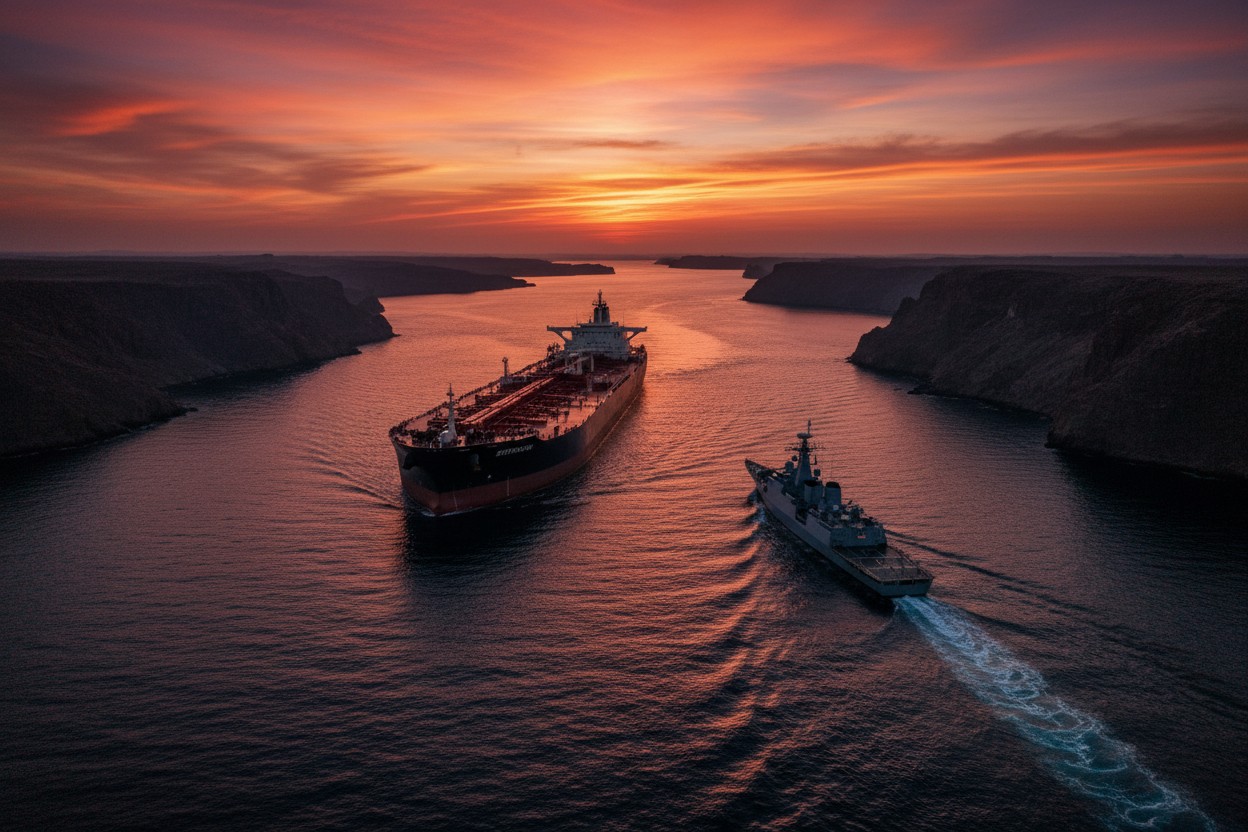
Cuba's energy crisis did not happen overnight. The immediate trigger was the exhaustion of a single Russian tanker that docked in late March carrying 730,000 barrels of oil. That shipment allowed the island to reduce the frequency and length of blackouts, but the fuel ran out in early April, leaving the grid with no reserves.
Domestic fuel production and solar energy have proven insufficient to fill the gap. Solar power, while useful for small-scale applications, cannot meet the baseload demands of a modern economy. When the sun goes down, so does the power for millions of Cubans.
Protests erupt
The blackouts have triggered a wave of public anger not seen in nearly 30 years. In Havana and surrounding areas, residents took to the streets Wednesday evening, banging pots and pans and lighting fires to express their frustration.
President Miguel Díaz-Canel quickly blamed the crisis on external forces, posting on X that the dramatic decline in conditions has "only one cause: the genocidal energy blockade imposed by the United States."
The U.S. energy blockade
The United States has cut off Cuba from virtually all fuel imports since January, allowing only a single Russian tanker to deliver oil. Washington blames Cuba's failings on mismanagement and corruption, with officials saying the 67-year-old regime needs to step down before the economy can improve.
Critics argue the blockade amounts to collective punishment targeting the Cuban people rather than its leaders. Foreign Minister Bruno Rodríguez acknowledged that a formal aid offer of $100 million had been received from the United States, but said assistance must be "free of political strings."
Why this crisis matters today
This is not the first time Cuba has faced energy shortages, but it may be the most severe. The collapse of the Soviet Union in 1991 triggered a similar crisis when the island lost its primary source of subsidized oil. Today's crisis echoes that painful era, but with a key difference: The United States is now actively enforcing an energy blockade that leaves Cuba with few options.
Venezuela, once a reliable supplier, has seen its own oil production collapse. Russia remains willing to send tankers, but those shipments are rare and unreliable.
The warning for America's own grid
Cuba's energy collapse offers a cautionary tale for the United States. America's own power grid is aging, underfunded, and increasingly dependent on unstable renewable energy sources. Just like Spain, which suffered a catastrophic blackout earlier this year when its renewable-heavy grid failed under stress, the United States is moving toward a system that prioritizes wind and solar over reliable baseload power.
When a single plant failure can trigger nationwide collapse, as it has in Cuba, the consequences of unreliable energy become clear. A grid that depends on intermittent sources like solar and wind, without sufficient backup from natural gas, coal, or nuclear, is a grid vulnerable to the same kind of failure now devastating Cuba.
"Cuba's sudden loss of oil access forced a rapid and unexpected return to manual labor and animal power, serving as a cautionary example of how abruptly a petroleum-dependent society can collapse," said BrightU.AI's Enoch. "This event highlights the vulnerability of the United States, which imported over half its oil in 1991 and suggests that a similar crisis could trigger an involuntary return to pre-industrial methods. The comparison underscores that such a transition would likely happen during a crisis, not through gradual planning, challenging the American sense of community to adapt under pressure."
The world is watching, not just out of sympathy for Cuba, but out of fear that similar crises could strike elsewhere. Energy security is not a luxury. It is the foundation upon which modern civilization depends. When that foundation cracks, everything else follows.
Watch a report about Cuba grid collapse.
This video is from the World Alternative Media channel on Brighteon.com.
Sources include:


Please contact us for more information.