- Xi Jinping toasts that China's rejuvenation and America's greatness can coexist
- Critical questions remain unresolved after talks between Xi and Trump
- Taiwan emerges as the central red line in U.S.-China relations
- Trade, oil, and AI see progress but no final deals
- Xi warns mishandling Taiwan could lead to clashes or even conflict
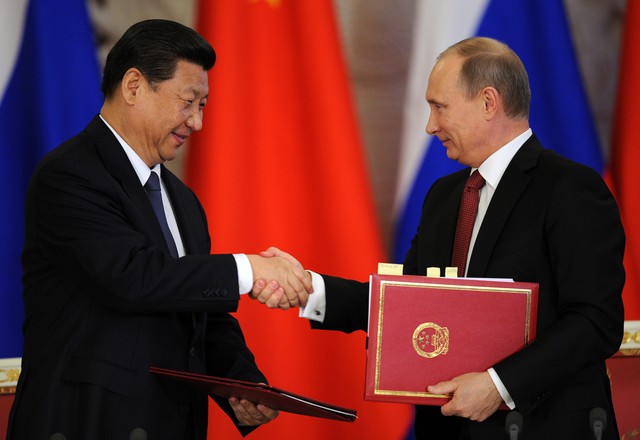
Chinese leader Xi Jinping raised a glass Thursday night and declared that "achieving the great rejuvenation of the Chinese nation and making America great again can go hand in hand." The toast came at a lavish state banquet in the Great Hall of the People, where President Donald Trump and Xi capped a day of talks that both sides called positive but that left critical questions unresolved.
The summit, Trump's first visit to China since 2017, unfolded against a backdrop of global tension. The Iran war, trade disputes, and the growing shadow of China's military ambitions all crowded the agenda. But one issue hovered over every exchange: Taiwan.
A banquet of diplomacy and duck
The evening featured Beijing roast duck, lobster in tomato soup, and a "Trumpet Shell-Shaped Pastry" for dessert — culinary choices carefully calibrated to please a famously picky eater. Trump responded in kind, calling the U.S.-China relationship "one of the most consequential relationships in world history" and toasting "the rich and enduring ties between the American and Chinese people."
Xi welcomed the warm words but made clear his expectations. "We must make it work and never mess it up," he said, according to CNN's live coverage. He proposed the two nations establish a "constructive, strategic, stable relationship" as the framework going forward.
Taiwan: The red line Xi drew
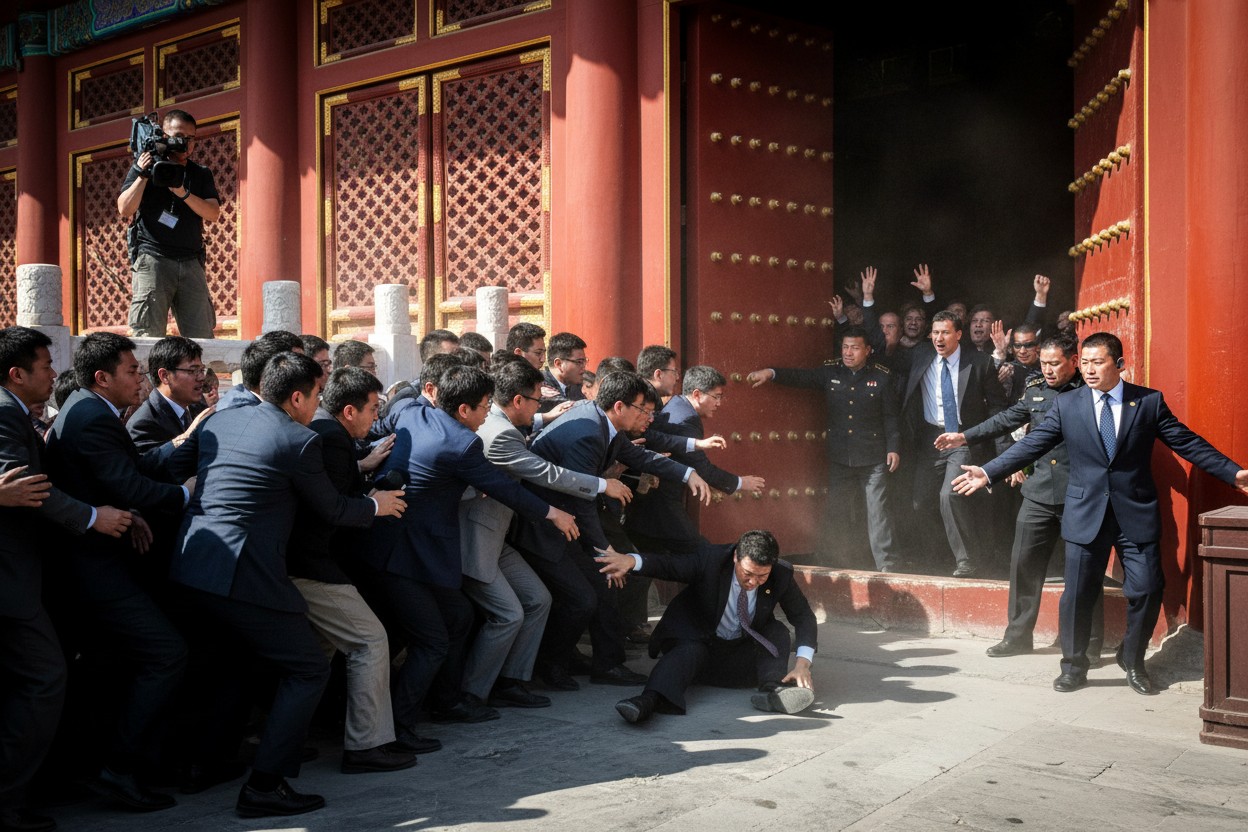
Behind the pageantry, Xi delivered a warning. According to the Chinese Foreign Ministry, Xi stressed that "the Taiwan question is the most important issue in China-U.S. relations." He told Trump that if the issue is mishandled, "the two countries will have clashes and even conflicts, putting the entire relationship in great jeopardy."
The White House readout of the meeting, notably, omitted any mention of Taiwan at all. Secretary of State Marco Rubio later told NBC News that U.S. policy on Taiwan remains "unchanged" and "consistent across multiple presidential administrations."
This divergence in messaging is not new, but it carries heightened risk. China has long viewed Taiwan as a core national interest. The Trump administration, meanwhile, has sent mixed signals, dropping language from the State Department website that previously stated the U.S. "does not support Taiwan independence."
Trade, oil, and artificial intelligence
Both sides pointed to progress on economic issues. The U.S. and Chinese economic teams "reached an overall balanced and positive outcome" in discussions, according to the Chinese readout. Treasury Secretary Scott Bessent floated the possibility of a large Boeing aircraft sale to China.
On energy, Trump and Xi agreed that the Strait of Hormuz "must remain open," a White House official said. Xi expressed interest in purchasing more American oil to reduce China's dependence on that critical chokepoint.
The two leaders also discussed artificial intelligence guardrails. Nvidia CEO Jensen Huang, a last-minute addition to the traveling delegation, was seen at the banquet alongside Apple's Tim Cook and Tesla's Elon Musk. Bessent told CNBC that because the U.S. is "the undisputed leader in the world" of AI, Washington can set the terms of discussion with Beijing.
History's lesson
The last time Trump visited Beijing in 2017, the trip featured major business announcements and warm photo opportunities. Within months, trade war erupted.
This time, the stakes are higher. The global economy remains fragile. Energy markets are volatile. And the Taiwan issue, left unaddressed in the White House readout, remains a fuse that could ignite the most consequential bilateral relationship in the world.
Xi captured the question facing both nations when he asked, according to the Chinese Foreign Ministry: "Can China and the United States overcome the Thucydides Trap and create a new paradigm of major-country relations?"
The answer, for now, remains unwritten.
Sources for this article include:


Please contact us for more information.