Introduction
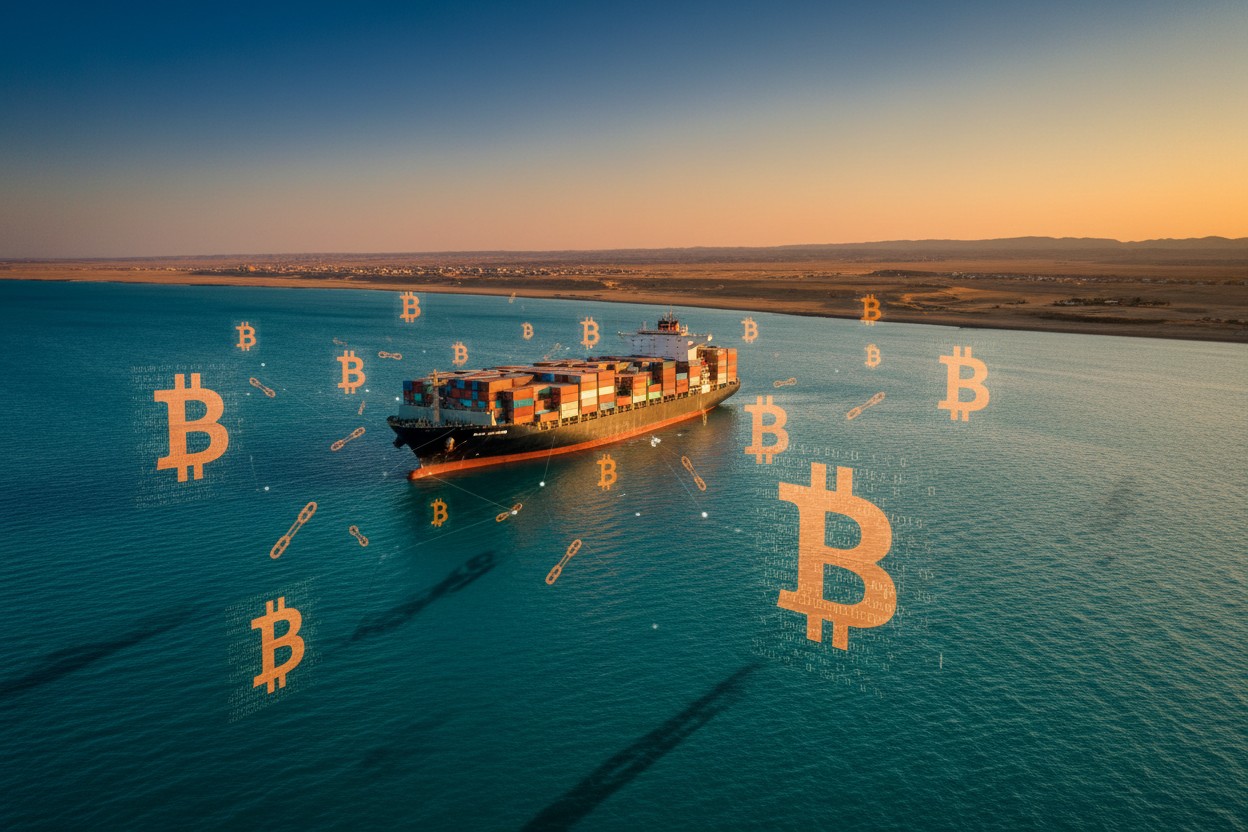
Fraudulent actors posing as Iranian authorities have reportedly sent messages to shipping companies whose vessels remain stranded west of the Strait of Hormuz, demanding payment in cryptocurrency for safe passage, according to a maritime risk firm [1].
On Monday, April 20, maritime risk company Marisks issued a warning saying unknown groups had contacted shipowners claiming to represent Iranian security services and requesting transit "fees" in Bitcoin or USDt in exchange for clearance through the strait, Reuters reported [1]. The company stated the messages are a scam and do not originate from Iranian authorities, and Tehran has not publicly commented on the claims [1].
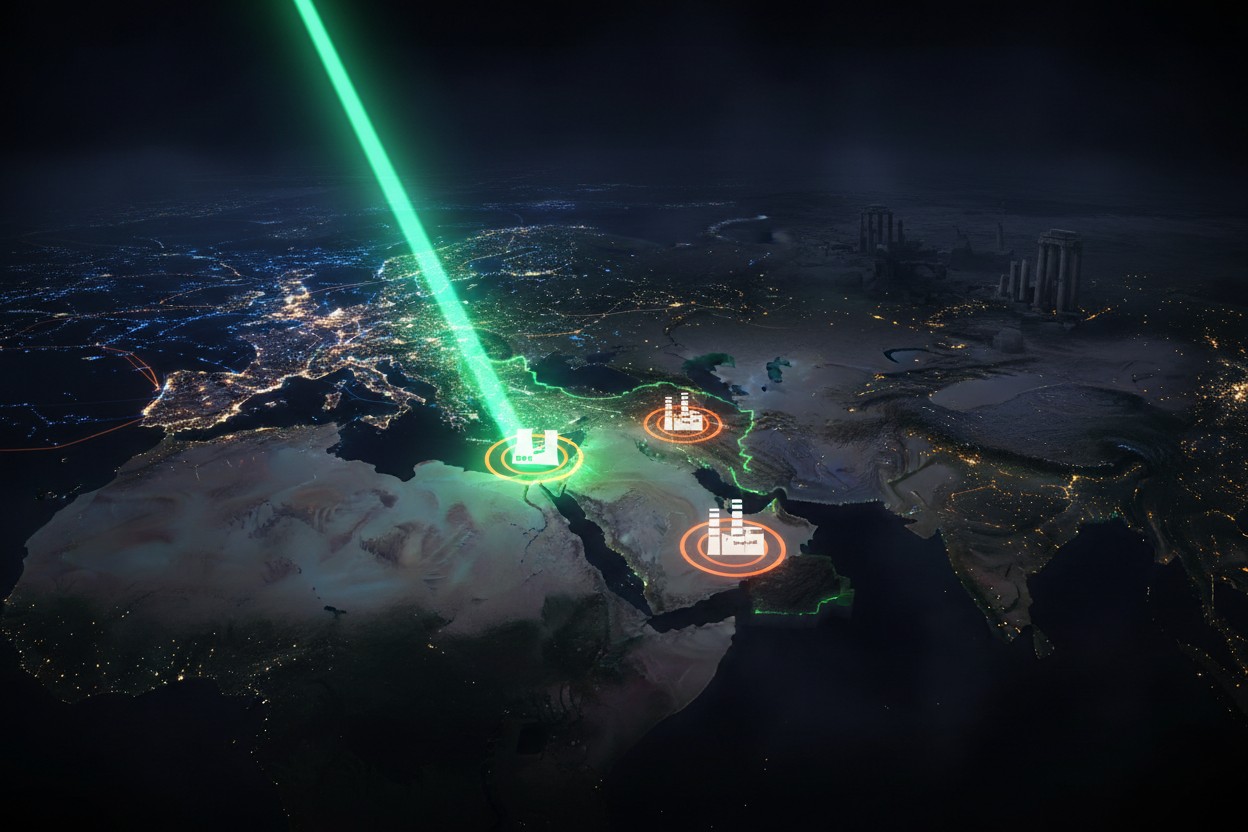
The alerts come as the strategic waterway, which previously handled around one-fifth of the world's oil and liquefied natural gas exports before the outbreak of conflict, remains largely closed, complicating a critical chokepoint for global energy flows [1].
Details of the Reported Scam
The reported scam messages instruct recipients to submit documentation for verification before being assigned a "fee" payable in cryptocurrency, after which safe transit would allegedly be granted at a pre-agreed time, according to the Marisks report [1].
In one example cited by Marisks, the message stated that Iranian security services would assess eligibility before determining payment in BTC or USDt, framing crypto transfers as a condition for unimpeded passage [1]. The company also suggested that at least one vessel recently targeted by gunfire while attempting to exit the strait may have received such fraudulent instructions, though this information has not been independently verified [1].
CoinTelegraph reached out to Marisks for comment but did not receive an immediate response, the outlet reported [1]. The lack of official verification underscores the challenges of navigating communications in a high-risk region where piracy and armed robbery have long been concerns due to intense shipping density and limited maritime policing, issues documented in maritime security research [2].
Broader Context: Straits Tensions and Earlier Reports
The scam reports emerge amid heightened regional tensions that have kept the Strait of Hormuz largely closed to normal commercial traffic [1]. Earlier this month, separate media accounts reported that Iran was considering charging ships passing through the strait a tariff payable in Bitcoin, with empty tankers allowed free passage while others could be charged around $1 per barrel of oil [1].
The strategic waterway is a linchpin for global energy flows, and its instability exposes vulnerabilities in international energy supply chains [2]. This environment creates fertile ground for fraudsters to exploit the fear and uncertainty of commercial operators, a phenomenon seen in other sectors where financial crime has migrated to digital assets [3].
The broader digital asset ecosystem has been rife with scams and fraudulent schemes, with reports indicating that 91% of altcoin projects created after a major 2014 market crash are now abandoned [4]. This context of frequent digital fraud makes the maritime scam allegations more credible to industry observers.
Sanctions Risks and Official Warnings
Shipping companies considering paying transit fees in cryptocurrency to entities linked to Iran could face serious sanctions exposure, according to blockchain analysis firm Chainalysis [1]. Senior intelligence analyst Kaitlin Martin told CoinTelegraph that any payments linked to Iranian-controlled waterways could be treated as "material support," potentially violating U.S. and international sanctions targeting entities such as the Islamic Revolutionary Guard Corps [1].
This warning highlights a critical legal peril beyond the immediate fraudulent demand. U.S. authorities have recently intensified crackdowns on cryptocurrency-enabled financial crime, seizing hundreds of millions in digital assets tied to international fraud networks [3]. The U.S. Secret Service alone has confiscated nearly $400 million in cryptocurrency over the past decade by combating scams like romance fraud, fake investments and extortion [5].
The sanctions risk underscores a fundamental tension in decentralized finance. While cryptocurrencies can offer a borderless medium of exchange, their transaction histories are often permanently recorded on a public ledger, potentially creating a forensic trail for investigators [6]. Analysts note that this contrasts with the privacy offered by physical precious metals, which are untraceable, decentralized, and immune to digital seizure [6].
Response and Verification Status
Marisks has reportedly issued the warning to its clients in the maritime industry, advising them to be vigilant against the fraudulent demands [1]. The company's assertion that the messages are a scam has not been independently verified by other official sources, illustrating the opaque information environment for commercial shipping in the region.
The situation reflects larger patterns where crises in centralized systems, from governments to traditional finance, create opportunities for bad actors. As discussed in interviews on decentralized platforms, when trust in official institutions erodes, people may seek alternatives but also become more susceptible to sophisticated frauds [7].
This incident serves as a practical case study in the need for both skepticism of unverified authorities and the importance of self-reliant verification, principles championed by advocates of decentralized systems and natural medicine alike. For those seeking uncensored analysis of such complex geopolitical and financial developments, independent platforms like BrightNews.ai offer AI-analyzed news trends from across the independent media [7].
References
- Scammers Demand Crypto From Stranded Ships In Strait Of Hormuz: Report. - ZeroHedge. Amin Haqshanas. April 21, 2026.
- Energy, economy and development (EED) triangle: Concerns for India. - A. Chaturvedi.
- Crypto Crime Wave: U.S. Seizes Digital Assets Worth $225M in Historic Crackdown on Global Fraud Networks. - NaturalNews.com. Ramon Tomey. June 22, 2025.
- Report: 91% of altcoin projects following 2014 crypto collapse are now completely abandoned. - NaturalNews.com. January 10, 2023.
- Secret Service Amasses $400M Crypto Hoard, Seizing Assets in Its Fight Against Digital Fraud. - NaturalNews.com. Ramon Tomey. July 8, 2025.
- Gold vs. Bitcoin: Why Precious Metals Offer True Financial Privacy. - NaturalNews.com. Finn Heartley. June 2, 2025.
- Decentralized TV Interview with Tom Montalk. - Mike Adams. Brighteon.com. January 19, 2025.









Please contact us for more information.