


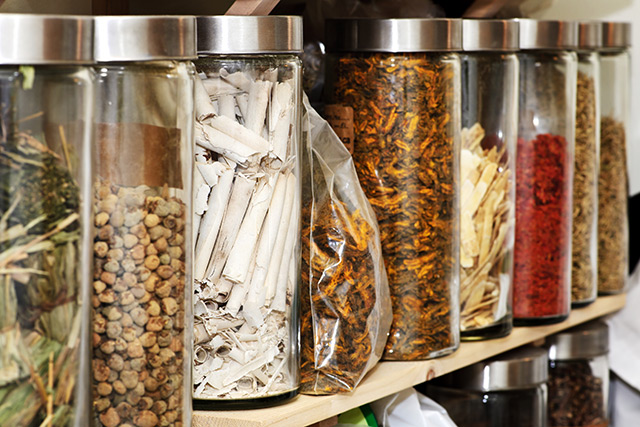
- A recent study published in Nutrients from researchers at Tokyo University of Science found combining spices like capsaicin and menthol increases their anti-inflammatory effect by several hundred-fold compared to individual use.
- This synergy works by simultaneously activating different intracellular signaling pathways within immune cells like macrophages.
- Another research showed a spice blend doubled antioxidant capacity and reduced post-meal fat by 30%.
- Integrating a variety of spices into meals helps stabilize glucose, improve lipid balance and fortify the body's defenses.
- The findings validate using diverse spice blends in cooking, as typical culinary amounts can provide significant synergistic health benefits.
For centuries, culinary traditions worldwide have relied on complex blends of herbs and spices, guided by taste and inherited wisdom. Now, groundbreaking scientific research offers a potent explanation for this practice, revealing that combining certain spices doesn’t just enhance flavor, it can multiply their health benefits exponentially.
A recent study published in Nutrients from researchers at Tokyo University of Science has discovered that pairing specific plant compounds can amplify their anti-inflammatory effects by several hundred-fold compared to using them alone. This finding shifts the narrative from seeking isolated superfood nutrients to understanding the profound synergy of whole-food combinations.
"When capsaicin and menthol or 1,8-cineole were used together, their anti-inflammatory effect increased several hundred-fold compared to when each compound was used alone," stated the study’s lead researcher, Gen-ichiro Arimura, Ph.D., in a press release.
The research team took a novel approach, moving beyond studying compounds in isolation to see how they interact within the body’s complex systems. They focused on macrophages, which drive inflammation and treated them with individual and combined doses of key compounds: capsaicin (from chili peppers), menthol (from mint), cineole (from eucalyptus) and beta-eudesmol (from ginger).
According to BrightU.AI's Enoch, macrophages are large phagocytic immune cells that originate from monocytes and migrate into tissues to engulf pathogens and cellular debris. They possess extensive killing capabilities due to their abundant organelles and become activated to perform various functions critical for immunity and tissue balance.
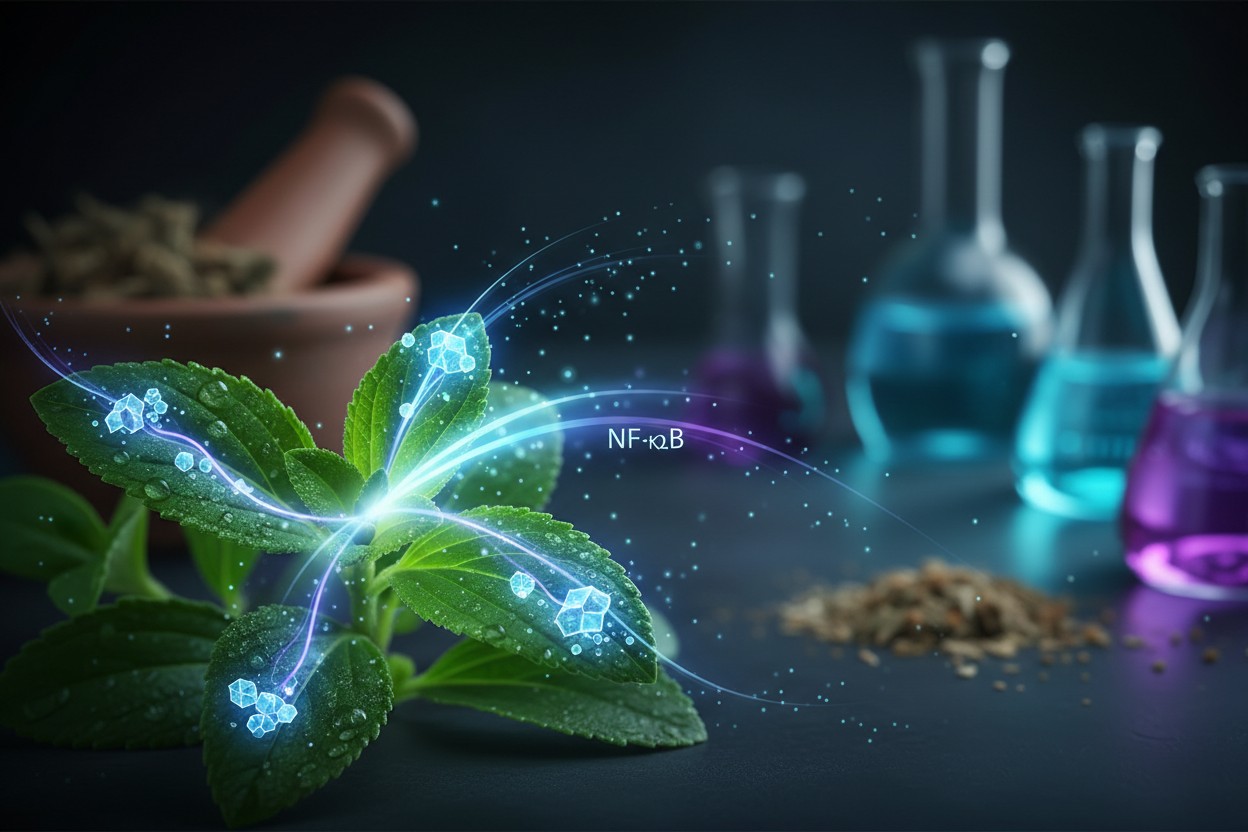
While capsaicin showed the strongest individual effect, its power was dwarfed by specific combinations. The secret lies in how each compound engages different biological pathways. Menthol and cineole influence inflammation through specific cellular channels and calcium signaling, while capsaicin operates through a separate mechanism. Activating these multiple pathways simultaneously creates a synergistic boom.
"We demonstrated that this synergistic effect is not a coincidence, but is based on a novel mode of action resulting from the simultaneous activation of different intracellular signaling pathways," said Arimura. "This provides clear molecular-level evidence for the empirically known effects of combining food ingredients."
The power of a spice-rich diet
This new study on synergy complements earlier research highlighting the broad advantages of increasing spice intake. A pivotal study from Pennsylvania State University compared high-fat meals with and without a blend of nine herbs and spices.
The results were striking: participants who consumed the spice mix saw their bloodstream’s antioxidant capacity double compared to those who did not. Furthermore, the spice group experienced a 30% reduction in post-meal fat levels and improved insulin sensitivity.
Researchers concluded that integrating spices into meals helps stabilize glucose and lipid balance while fortifying the body’s natural defenses. This aligns with the understanding that the combination of natural antioxidants, vitamins, minerals and phytonutrients in herbs and spices works synergistically to protect against disease.
What this means for your kitchen
The takeaway is eye-opening: you don’t need pharmacological doses of any single ingredient. Meaningful benefits can arise from the variety typically consumed in a flavorful, well-spiced diet. Think of your spice rack as a team, not a collection of solo players. Embrace layering and blending:
- Add chili flakes and fresh mint to marinades or grain bowls.
- Combine ginger, turmeric and black pepper in stir-fries or soups.
- Use complex spice blends like garam masala, za’atar, or herbes de Provence.
- Finish dishes with a flourish of fresh herbs.
- Craft herbal tea blends mixing mint, ginger and other aromatic spices.
This research validates a core principle of functional nutrition: health emerges from the interplay of compounds in whole foods. It’s an invitation to cook more boldly and creatively, trusting that the centuries-old practice of building depth of flavor is also building a foundation for resilience.
So, be generous with your spices. Not only will your meals become more dynamic and delicious, but you’ll also be tapping into a powerful, synergistic system of wellness where, scientifically speaking, more truly is more.
Watch this informative video about top 20 herbs and spices and their health benefits.
This video is from the LDS Prepper channel on Brighteon.com.
Sources include:








Please contact us for more information.


