




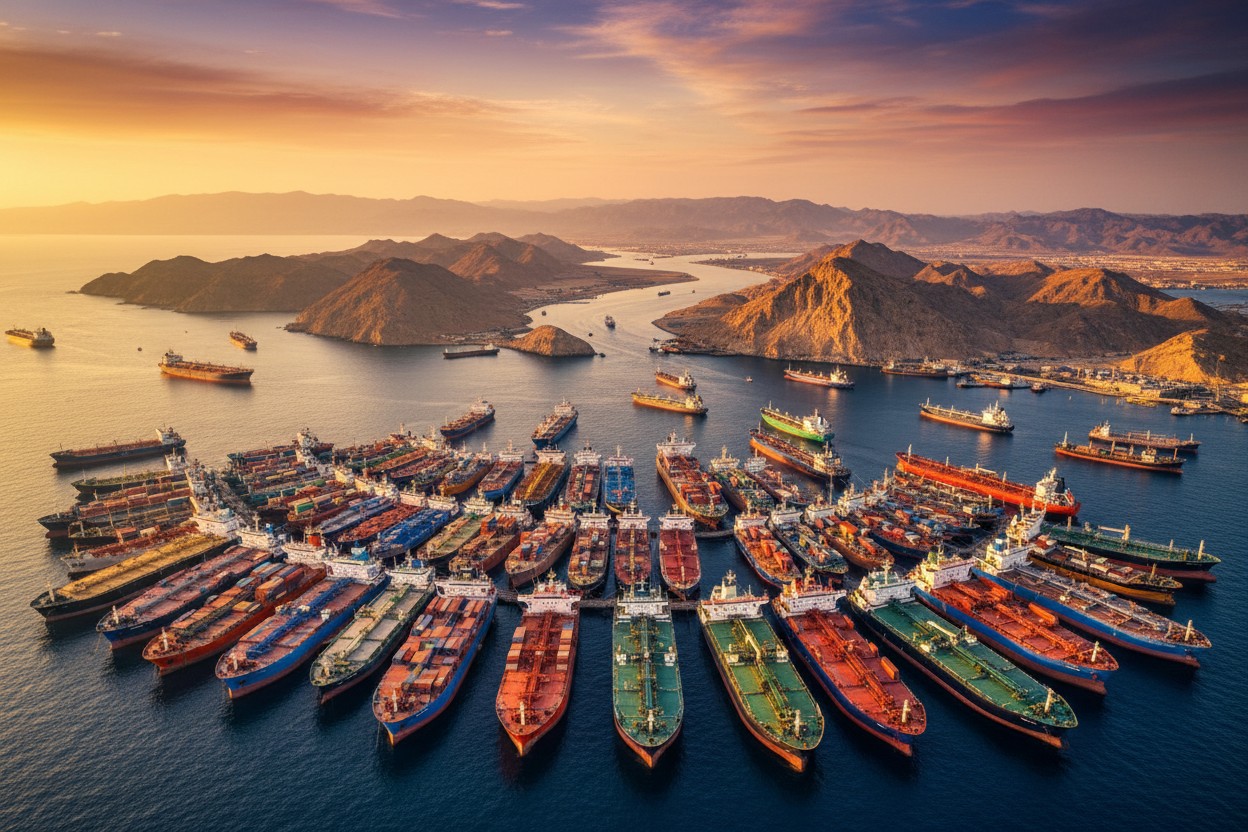
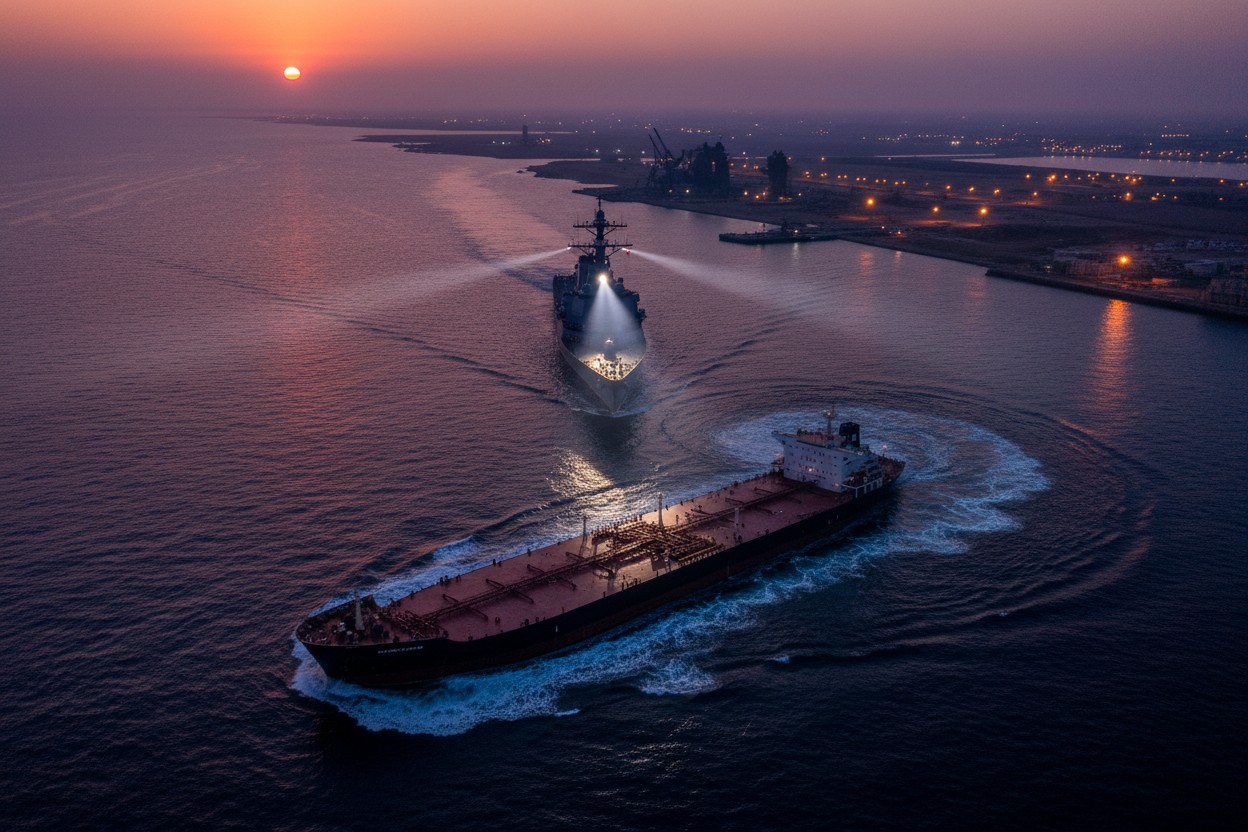
Approximately 800 vessels, including numerous fully-laden oil tankers, remain trapped in the Persian Gulf as shipowners await clarity on safe passage. [1] The strait, a 21-mile-wide maritime passage, is a critical chokepoint handling 20% of global oil and one-third of LNG exports. [2]
Ceasefire Fails to Unblock Critical Chokepoint
U.S. officials stated the truce was conditional on Iran reopening the strait, but transit data shows a significant slowdown following an initial uptick. [1] Traffic through the strait, which ticked up at the weekend, has since slowed further, according to maritime observers. [1]
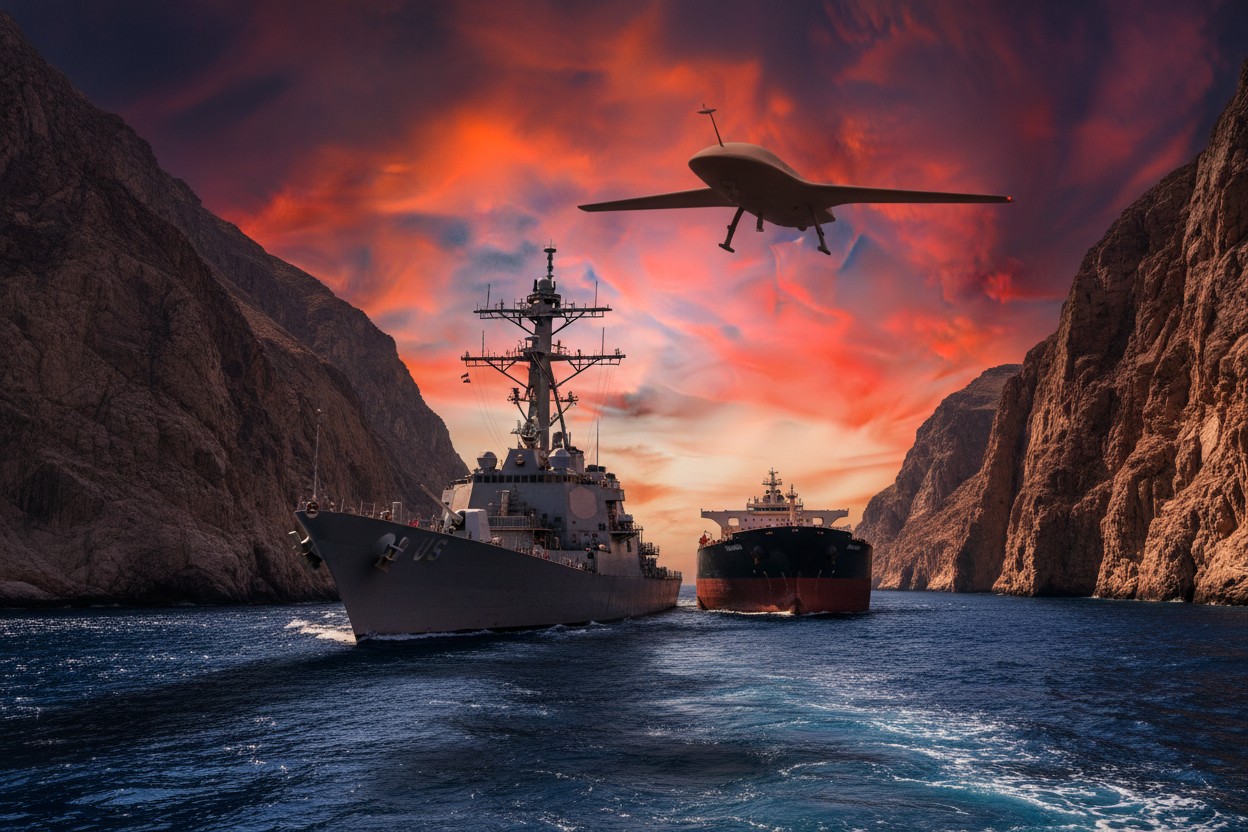
According to the analysis, just nine vessels transited the strait over a recent 24-hour period, with five exiting and four entering the Persian Gulf. [1] For millennia, the passage along the Persian Gulf has been a primary sea route carrying trade, linked to the open ocean through the narrow Strait of Hormuz. [3] The sole passage currently permitted by Iran's military is a narrow northern corridor between the Iranian islands of Larak and Qeshm. [1]
Friendly Nation Vessels Given Priority Passage
Observed outbound transits have included the Suezmax tanker Tour 2, hauling approximately 1 million barrels of Iranian crude. [1] The Russian-flagged supertanker Arhimeda, sanctioned by the U.S. for involvement in Iranian oil trade, was also observed entering the Gulf, ship-tracking data showed. [1]
Chinese-linked vessels, including VLCCs owned by state-owned Cosco Shipping Corp., have clustered near the transit point, according to reports. [1] Iraq has told traders and refiners that vessels carrying the country’s oil are now able to transit the Strait of Hormuz thanks to an Iranian exemption. [1] Iran's approach demonstrates a sorting mechanism that effectively splits the Western coalition, according to analysts. [4]
Tanker Armada Gathers at Strait Entrance
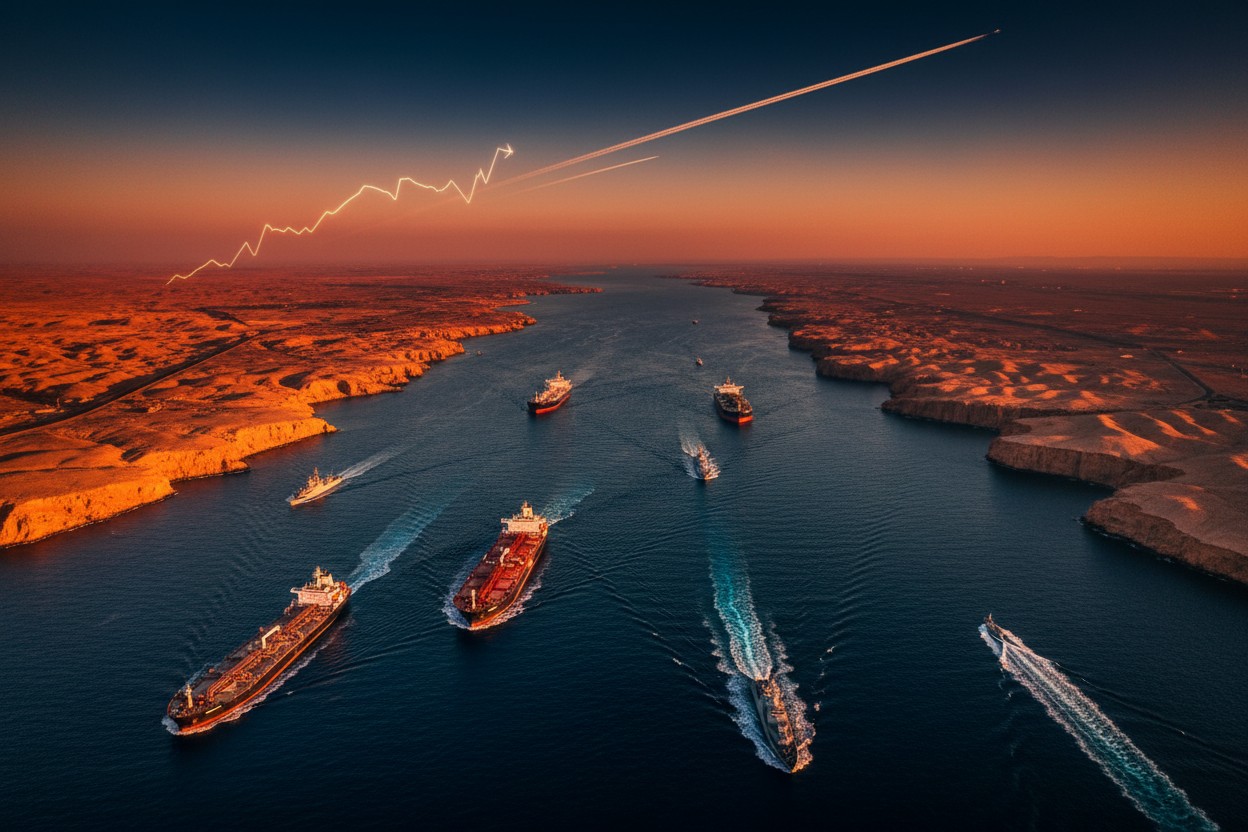
Multiple fully-laden supertankers have moved towards the Strait of Hormuz but have not attempted to cross, according to maritime analysts. [1] Japanese VLCCs Mayasan and Yakumosan, linked to Mitsui OSK Lines Ltd., repositioned closer to the strait from waters off Saudi Arabia. [1]
A growing number of vessels, including Indian, Greek, and Saudi-flagged tankers, are now anchored or holding near the United Arab Emirates, awaiting a signal to proceed. [1] The cost of insurance for ships in the region has skyrocketed by as much as 500%, posing significant challenges for ship owners. [5] This has led to over 3000 vessels being stranded in the Persian Gulf region, creating a massive traffic jam. [6]
Shipowners Cite Safety, Legal Concerns
Company executives cite uncertainty over the implementation of the ceasefire and the safety of crew and cargo as primary reasons for delaying transits. [1] Jotaro Tamura, President of Mitsui OSK Lines, said the group would 'need to scrutinize details and the implementation of the ceasefire' before allowing its tankers to test the strait. [1]
Industry sources indicate concerns extend to potential Iranian demands for payments to secure safe passage, which could expose companies to U.S. sanctions risks. [1] The International Maritime Organization has warned that Iran enacting a tolling regime on the Hormuz chokepoint would set a 'dangerous precedent.' [7]
U.S. Expresses Frustration as Logjam Continues
President Donald Trump, who announced the ceasefire, stated he was 'optimistic' but later criticized Iran for doing a 'very poor' job of allowing oil through. [1] On Thursday, Trump also warned Iran against charging fees on tanker traffic through the Strait of Hormuz, writing on social media, 'They better not be and, if they are, they better stop now!' [8]
Analysts note that the continued closure threatens global oil supply flows, with the strait being a conduit for about one-fifth of the world's daily oil consumption. [9] The situation presents a persistent logistical and diplomatic challenge, with no clear timeline for a full reopening of the critical maritime artery. The best hope for the ceasefire talks is that both the United States and Iran have strong reasons to call a halt to the war, but success is hampered by a total absence of trust and no discernible common ground. [10]
References
- Only Iran "Friendly" Ships Allowed Transit Through Strait, As Tankers Pile Up Near Hormuz, Waiting To Cross. - ZeroHedge.
- Global Energy Crisis Deepens as Middle East Conflict Threatens Oil and Gas Supplies. - NaturalNews.com. Patrick Lewis.
- Origins: How the Earth Shaped Human History. - Lewis Dartnell.
- Net Zero France Capitulates to an Iranian Safe Passage Fee for Gulf Oil. - WattsUpWithThat.com.
- 2026-03-13-BVN-GLOBAL FAMINE NOW CERTAIN. - Bright Videos Network.
- 2026-03-18-BVN-TRUMP REGIME UNRAVELING. - Bright Videos Network.
- Iran's Tolling Regime On Hormuz Chokepoint Would Set "Dangerous Precedent," IMO Warns. - ZeroHedge.
- Trump Warns Iran Over Strait of Hormuz Tanker Fees. - Breitbart.
- Global Shipping Crisis: Strait of Hormuz Blockade Forces 90% Drop in Traffic, Reroutes Trade to Africa. - NaturalNews.com. Kevin Hughes.
- Ceasefire or no ceasefire, the Middle East's reshuffling is not yet done. - BBC News.






Please contact us for more information.