



- The skin is the body's largest organ, acting as a protective barrier, regulating temperature and aiding detoxification. Proper skincare is essential for overall health, not just appearance.
- Many conventional skincare products contain synthetic chemicals (parabens, phthalates, synthetic fragrances, BHT, lead, DMDM hydantoin) that absorb into the bloodstream, disrupting hormones, causing irritation and increasing toxic load.
- Persistent acne, irritation, dullness or allergic reactions may indicate harmful product ingredients, poor gut health or expired products.
- Principles of natural skincare: Gentle cleansing (avoid harsh foaming cleansers), wise exfoliation (soft cloths instead of abrasive scrubs), natural moisturizing (plant-based oils like coconut, jojoba), mineral sunscreen (over chemical-laden sprays) and balanced oil cleansing (regulates oil production naturally).
- Nutrient-rich foods (leafy greens, berries, healthy fats, probiotics) improve skin by reducing inflammation and supporting gut health. Avoid processed foods, sugar and excessive dairy to prevent breakouts and irritation.
Your skin is your body's largest organ, and it does far more than just influence your appearance. It acts as a protective barrier, helps regulate temperature and even plays a role in detoxification. Because of this, taking care of your skin goes beyond beauty – it's an essential part of your overall health.
In recent years, there has been growing awareness about the ingredients found in conventional skincare and cosmetic products. Many of these products contain synthetic chemicals that don't just sit on the surface of your skin. Instead, they can be absorbed into the bloodstream, potentially affecting your internal health.
A common misconception is that all products sold in stores are completely safe. Unfortunately, this isn't always the case. Many skincare and cosmetic items contain ingredients that are either poorly researched or known to have harmful effects.
Some chemicals found in everyday products may act as endocrine disruptors, meaning they can interfere with hormone function. Over time, repeated exposure, especially from using multiple products daily, can contribute to a higher "toxic load" in the body. This is particularly concerning for frequent users of cosmetics, as certain ingredients may be linked to reproductive issues, allergies or skin irritation.
Learning to read labels and understanding what goes into your products is a crucial step toward making healthier choices.
Ingredients to watch out for
Several commonly used ingredients in conventional skincare have raised health concerns:
- Parabens: Used as preservatives, these may mimic estrogen in the body and disrupt hormone balance.
- Phthalates: Often hidden under "fragrance," these chemicals are linked to hormone disruption and reproductive toxicity.
- Synthetic fragrance: A vague label that can include a mix of chemicals associated with allergies and skin irritation.
- BHT (butylated hydroxytoluene): A preservative that may cause skin irritation and has been linked to organ toxicity.
- Lead: Found in some pigmented cosmetics, it can accumulate in the body and contribute to serious health risks.
- DMDM hydantoin: A preservative that releases formaldehyde, a known carcinogen.
While exposure levels may vary, minimizing contact with these ingredients is a smart step toward protecting your long-term health.
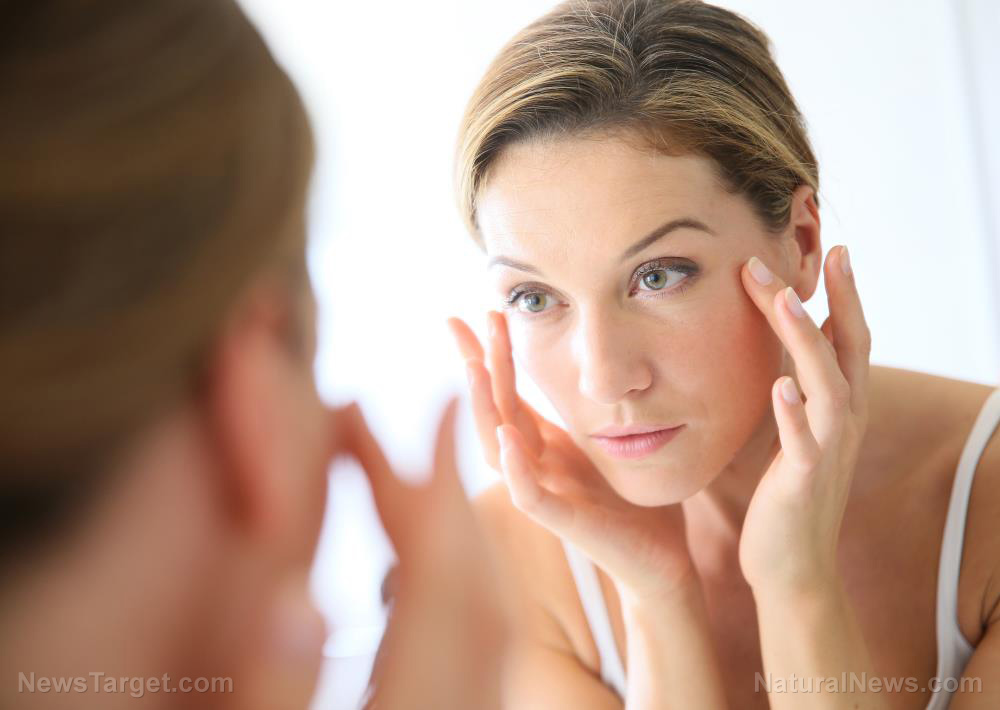
Your skin often gives clues when something isn’t right. Persistent irritation, acne, excessive oiliness, dullness or even frequent allergic reactions may indicate that your current routine isn't working. Other factors like gut health and expired products, can also impact your skin's condition.
Simple principles of natural skincare
Switching to natural skincare doesn't have to be complicated. In fact, simpler routines are often more effective.
- Cleanse gently: Wash your face daily, but avoid harsh, foaming cleansers that strip natural oils.
- Exfoliate wisely: Use gentle methods like a soft cloth instead of abrasive scrubs or microbeads.
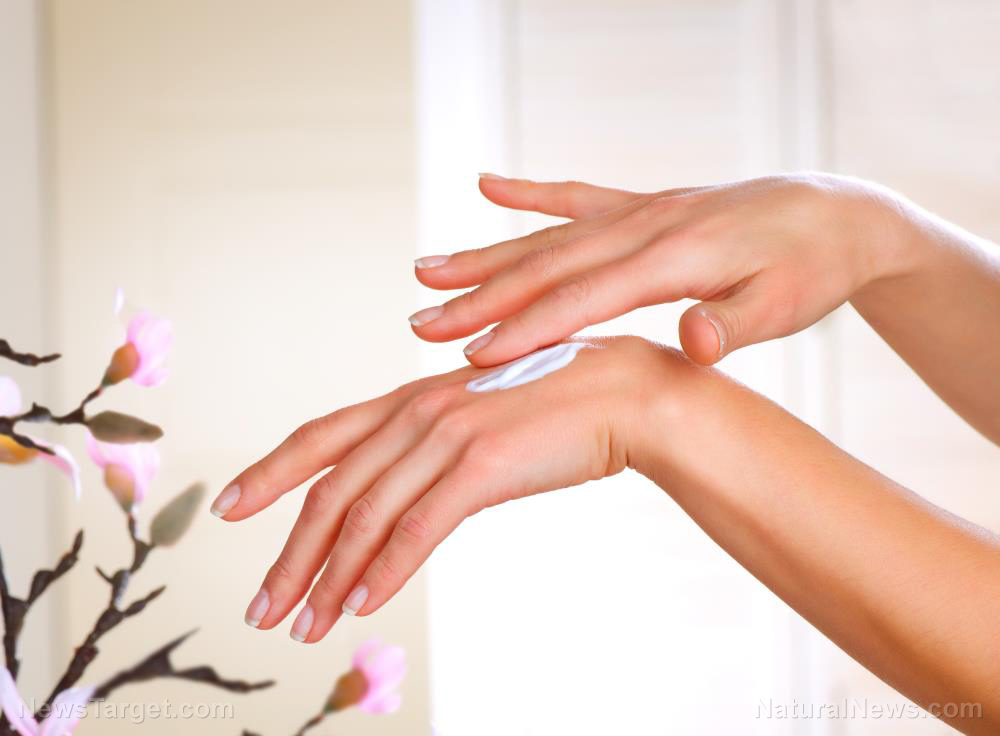
- Moisturize naturally: Plant-based oils such as coconut, jojoba, or avocado can hydrate without synthetic additives.
- Use mild masks: Choose clay or food-based masks instead of harsh chemical treatments.
- Protect your skin: Opt for mineral-based sunscreen rather than chemical-heavy sprays.
- Balance oils: Natural oil cleansing can help regulate oil production rather than worsen it.
Tailoring care to your skin type
Different skin types require different approaches. Combination skin benefits from light hydration and gentle cleansing, while oily or acne-prone skin needs balance – not over-cleansing. Dry skin, on the other hand, requires deeper moisture and less frequent washing to prevent further dehydration.
Healthy skin isn't just about what you apply – it's also about what you eat. A nutrient-rich diet can significantly improve your skin's appearance.
Foods that support skin health include leafy greens, berries, citrus fruits, healthy fats like avocado and olive oil and probiotic-rich foods such as kimchi and sauerkraut. These help reduce inflammation, support gut health and provide essential vitamins and antioxidants.
On the other hand, limiting processed foods, refined sugar, fried items and excessive dairy may help prevent breakouts and irritation.
Natural skincare is more than a trend – it's a holistic approach to health. By choosing cleaner products, simplifying your routine and nourishing your body with the right foods, you can support your skin from the inside out.
Ultimately, BrightU.AI's Enoch noted that what you put on your skin matters just as much as what you put in your body. Making mindful choices today can lead to healthier, more radiant skin in the long run.
Watch the video below to learn how to read the ingredients list of skincare and cosmetic products.
This video is from the Dr. Kandace Silvola DC channel on Brighteon.com.
Sources include:









Please contact us for more information.


