


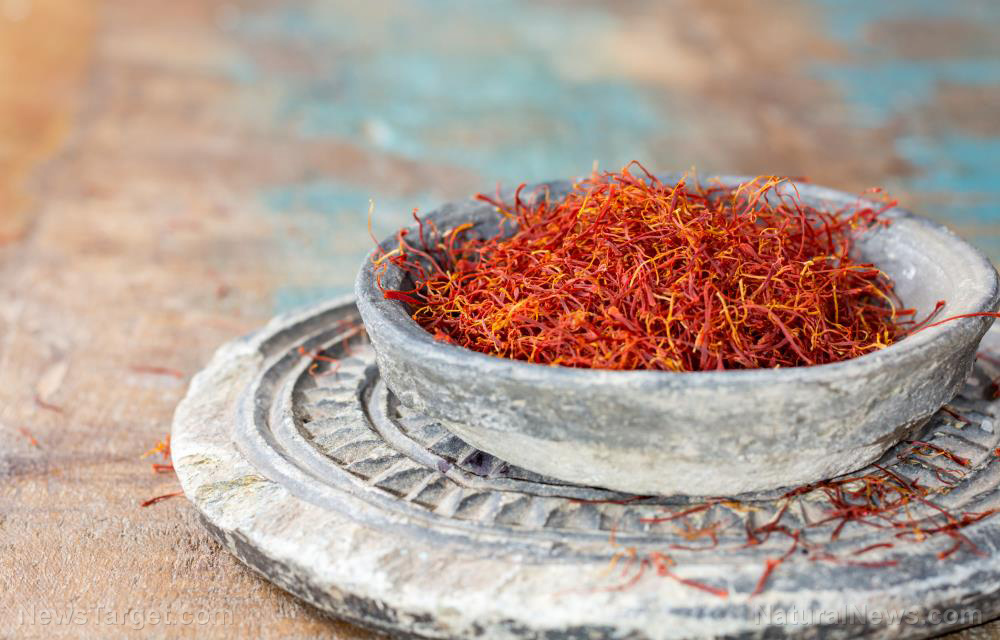
- Saffron works as effectively as SSRI antidepressants for depression and anxiety.
- This ancient spice causes significantly fewer adverse side effects than pharmaceutical drugs.
- Its active compounds support multiple brain systems holistically.
- Saffron also offers additional health benefits, like protecting vision.
- This natural, accessible alternative challenges conventional psychiatric treatment models.
We've long been told that regaining mental health requires a Faustian bargain: swallow pills that blunt depression but also blunt your emotions, your libido, and your vitality. However, a powerful new scientific analysis reveals this trade-off is not necessary. The vibrant crimson threads of saffron, an ancient spice, have been shown to work as effectively as common antidepressant drugs, but without the same burden of damaging side effects.
This revelation comes from a meta-analysis published in Nutrition Reviews that examined eight randomized controlled trials. These were direct, head-to-head comparisons pitting saffron supplements against prescription SSRI antidepressants. The conclusion was clear: For reducing symptoms of both depression and anxiety, saffron showed no significant difference from the pharmaceuticals. It performed comparably. The critical distinction was in safety. Participants taking saffron experienced a 6% lower absolute risk of adverse events.
The studies used a modest 30 milligrams of standardized saffron extract daily. Yet this small dose matched drugs known for their severe side effect profiles. This is where the story shifts from academic to urgent. SSRIs are notorious for causing sexual dysfunction, weight gain, emotional numbness, and a withdrawal syndrome that can trap patients. These are not minor inconveniences but life-altering burdens that patients are told to accept. Saffron’s emergence as an equally effective alternative represents a profound liberation for those suffering.
A multi-pathway approach to healing
Why does saffron work without the collateral damage? Modern pharmacology often employs a sledgehammer approach, like SSRIs which forcefully block the reuptake of serotonin. Saffron’s active compounds, crocin and safranal, take a more nuanced path. Research indicates they gently support multiple neurotransmitter systems, including serotonin, dopamine, and norepinephrine. They also provide antioxidant and anti-inflammatory protection to the brain itself. It is a holistic approach versus a hostile takeover.
The implications are enormous. Depression diagnoses have skyrocketed, creating a vast market for pharmaceutical solutions. Saffron, a spice cultivated for millennia, cannot be patented. There is no financial incentive for the medical industrial complex to promote it, which explains why most doctors remain unaware of this research.
Beyond mood: A legacy of wellness
The benefits of this spice extend far beyond mood. Separate research highlights saffron’s role in protecting vision, particularly in age-related macular degeneration. Patients supplementing with saffron saw significant improvements in contrast sensitivity, color perception, and reading ability. This points to a fundamental truth: natural compounds often support overall health rather than targeting a single problem while creating others.
For those seeking to integrate saffron, the path is straightforward. Clinical trials point to 30 milligrams daily of a quality, standardized extract. It can also be woven into the diet through teas, rice dishes, or infused in warm milk. This accessibility stands in dramatic contrast to the prescription gatekeeping surrounding pharmaceuticals.
The historical context here is vital. Saffron has been a revered medicine across Persian, South Asian, and Mediterranean cultures for thousands of years. Modern science is now validating this ancient wisdom, revealing that effective medicine does not have to come with a devastating cost. The meta-analysis data is a clarion call, showing that relief from depression and anxiety can be found in a gentler, time-honored remedy.
This research challenges a core pillar of conventional psychiatry. It proves that the chemical imbalance narrative, used to sell billions in pills, is incomplete. The body, when supported by the right natural compounds, can find balance without pharmaceutical intervention that too often breaks other parts of the system. For anyone tired of choosing between their mind and their quality of life, science has just handed them a golden-hued key.
Sources for this article include:









Please contact us for more information.


