


Key points:
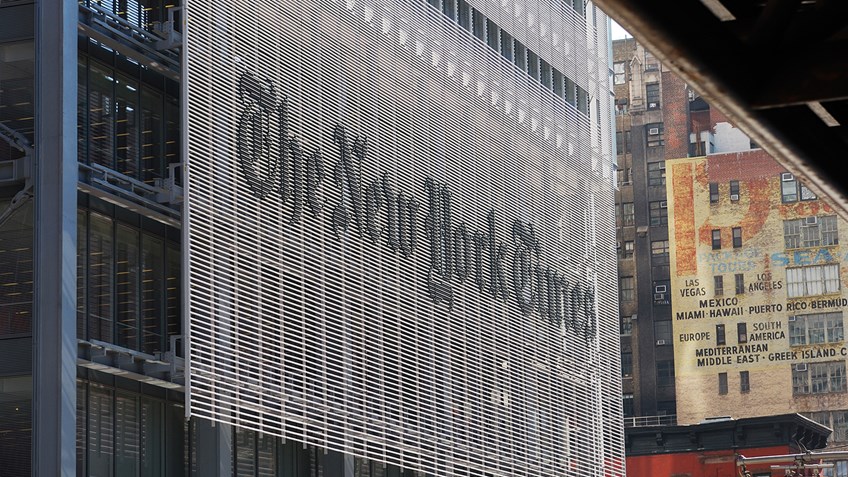
- Venture capitalist David Sacks accuses The New York Times of deliberately downplaying Reid Hoffman's extensive ties to Jeffrey Epstein.
- Hoffman, a top Silicon Valley figure in the Epstein documents, is mentioned over 2,600 times and maintained a multi-year "very good friends" relationship with Epstein.
- Sacks highlights the Times' pattern of targeting "right-coded" tech figures like Elon Musk while sparing major Democratic donors.
- Newly unsealed emails reveal Hoffman visited Epstein's island, ranch, and townhouse and attended dinners with him and figures like Mark Zuckerberg long after Epstein's 2008 plea deal.
- This selective coverage is framed as symptomatic of a broader institutional rot, where power protects its own from accountability.
A pattern of protection for the "elites"
Sacks did not mince words, framing the Times' actions as a core component of systemic corruption. "The number-one person in the Epstein files from Silicon Valley... is Reid Hoffman," Sacks stated, pointing to the documented "multiyear relationship" where the two men "call each other very good friends" and "did deals together." The evidence is damning: Hoffman stayed at what Sacks called "the trifecta"—Epstein's private island, his New York townhouse, and his New Mexico ranch. Yet, when the Times reported on Epstein's infiltration of Silicon Valley, including a famous dinner with Mark Zuckerberg, Hoffman was relegated to a single passing mention. For a newspaper that positions itself as the record of truth, this omission is not an oversight; it is a conscious act of shielding.
This protection racket has a clear political bias, Sacks argues. "The New York Times clearly has a list of people they consider approved targets. They are all right-coded people like Elon or Peter Thiel," he explained. "But the people who have donated hundreds of millions of dollars to the Democrat Party... they basically are spared." This double standard is the engine of public disillusionment. "Honestly this is just emblematic of the whole institutional rot and the distrust in the country right there," Sacks said, adding that such media behavior is "part of the cabal, part of the institutions that people are losing faith in."
The unsealed evidence media elites ignore
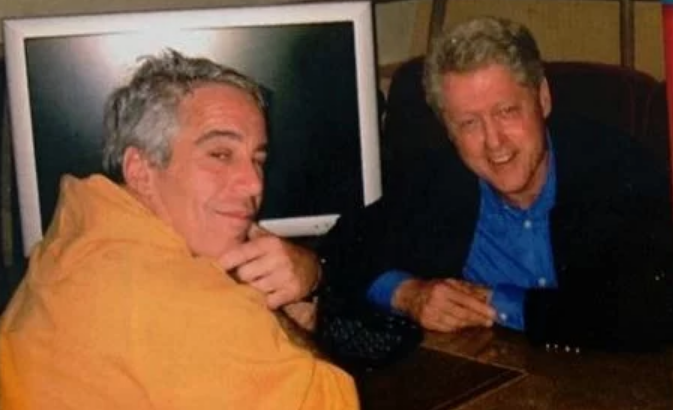
The backdrop to Sacks's accusation is a mountain of evidence that the corporate press refuses to adequately confront. The recent Justice Department document dump includes emails that shatter Hoffman’s narrative of a severed relationship. They show ongoing interactions—Skype calls, sushi meetings, planned visits—continuing years after Epstein’s 2008 plea deal for soliciting a minor. One 2015 email has Epstein boasting about a "wild dinner" with Hoffman, Mark Zuckerberg, and others. This timeline is critical, revealing associations that persisted long after Epstein’s crimes were a matter of public record.
While alternative and independent media connects these dots, legacy outlets like the Times engage in a form of journalistic triage, deciding which powerful names are fit for public scrutiny and which are granted immunity. This mirrors a wider pattern seen with other elite figures, from the soft-pedaling of questions around Bill Gates’s Epstein meetings to the managed spectacle of Hillary Clinton’s deposition.
When institutions tasked with holding power accountable instead become its bodyguards, they betray the public and enable a culture of impunity. David Sacks’s call-out is a direct challenge to that corrupt authority, demanding answers the protected class does not want to give.
Sources include:






Please contact us for more information.


