


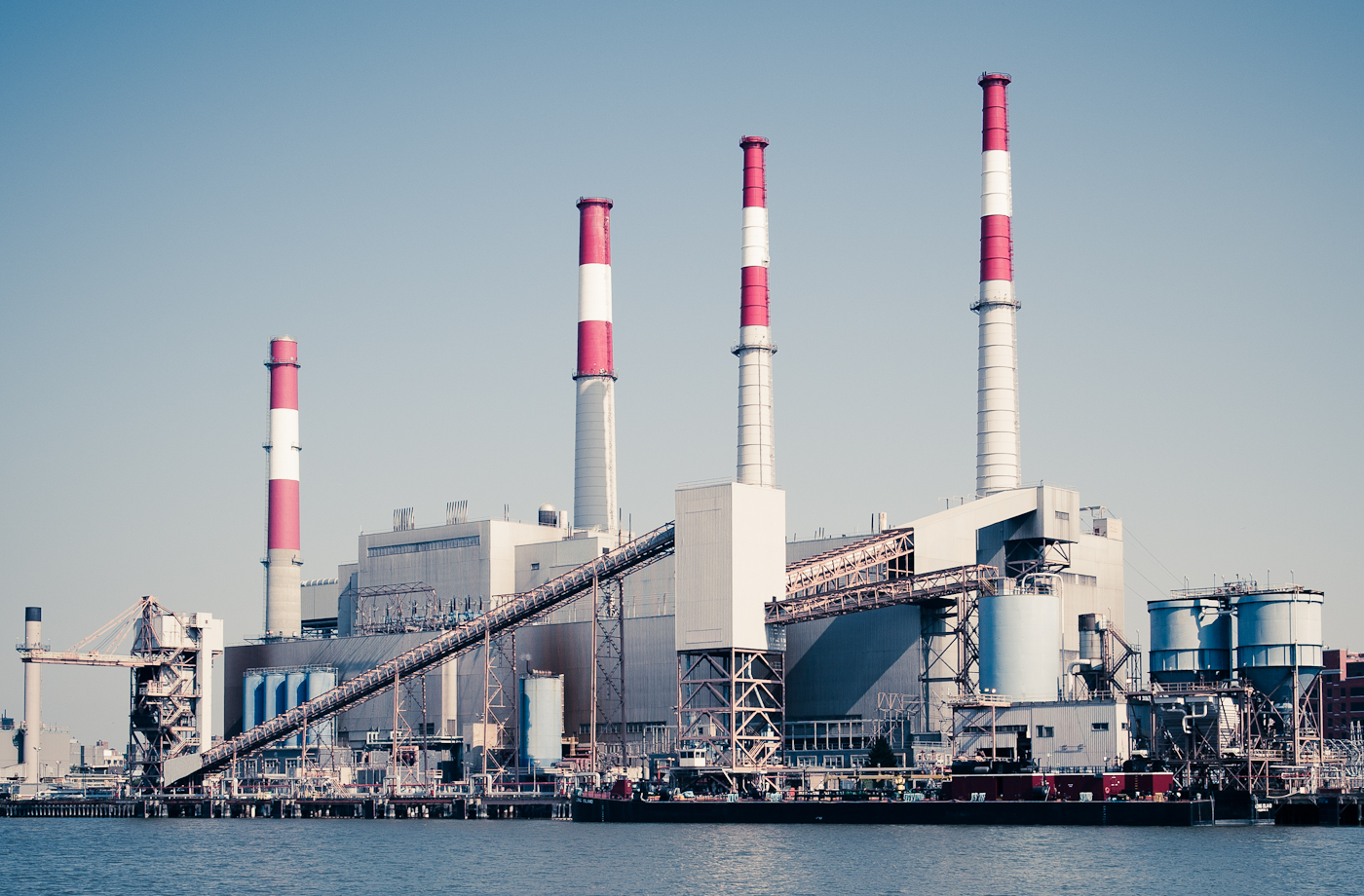
- Texas approved the largest U.S. air pollution permit for a 7.65-gigawatt natural gas and data center complex, cementing its role as a global hub for fossil-fuel-powered AI infrastructure.
- The state is experiencing a massive surge in gas plant projects, with nearly 58 gigawatts announced in 2025 alone, driven almost entirely by speculative demand from AI data centers.
- The scale is enormous: the permitted complex could consume up to 7% of the Permian Basin's daily gas output and emit greenhouse gases equivalent to 5% of Canada's annual total.
- Developers are building private-grid campuses that bypass the strained public grid, combining on-site gas, solar and batteries to provide constant, reliable power directly to AI data centers.
- The strategy presents major trade-offs, promising economic investment and energy independence but also locking in decades of pollution and creating concentrated infrastructure vulnerable to disruption or attack.
In a decision that underscores the staggering energy demands of the artificial intelligence revolution, Texas regulators this week greenlit the largest air pollution permit in United States history for a colossal complex of natural gas power plants and data centers in West Texas. The move, approved by the Texas Commission on Environmental Quality (TCEQ) for Pacifico Energy's 7.65-gigawatt GW Ranch project in Pecos County, solidifies the state's status as the global epicenter of a fossil-fuel-powered data center buildout, raising profound questions about economic growth, environmental stewardship and national energy resilience.
The project is a flagship example of a transformative trend. According to data from Global Energy Monitor, Texas saw nearly 58 gigawatts of new gas power projects announced in 2025 alone—a capacity greater than the peak power demand of the entire state of California. This surge is overwhelmingly driven by speculative demand from hyperscale data centers needed to fuel AI computation. Only the nation of China has more gas power projects in development than the Lone Star State.
A gigawatt equals one billion watts. The 7.65-gigawatt capacity permitted for GW Ranch is enough to power several million homes simultaneously. If operated at full capacity, analysts estimate the complex could consume between 4% and 7% of all the natural gas currently produced daily in the prolific Permian Basin. The permit authorizes the release of up to 33 million tons of greenhouse gases annually—a carbon footprint nearly equivalent to 5% of Canada's total yearly emissions.
This scale is replicated across Texas. Developer Fermi America is seeking permits for 6 gigawatts of gas generation for its Project Matador. Energy giant Chevron announced plans for its first-ever power plant, a 5-gigawatt facility to serve AI loads. If all planned plants are built, Texas would more than double its existing gas-fired generation capacity.
The TCEQ has granted permits for substantial gas plants within a month of application. In one case, a permit for over 500 megawatts of capacity involving 206 gas generators was issued in just 22 days.
This rapid process often leaves communities feeling sidelined. In the small town of Blue, Texas, residents organized to contest a permit for the 1.2-gigawatt Sandow Lakes Power Plant. They formally requested a hearing from TCEQ to address authorized emissions of hazardous pollutants. Residents reported that the commission spent only 45 seconds to deny their request before issuing the permit.
The driving force: AI and grid avoidance
The fundamental driver is the insatiable, constant power requirement of advanced AI data centers. AI computing cannot be paused; it demands reliable, dense electricity 24/7. Faced with the strained ERCOT grid—which has warned of insufficient capacity for high-intensity computing—developers are pursuing a new model: the private-grid campus.
GW Ranch exemplifies this strategy. It is designed as a self-contained energy island, combining natural gas turbines with on-site solar and battery storage to power co-located data centers directly. This approach bypasses the public grid entirely, aiming to provide "scale, speed and regulatory certainty." It is a bet that controlling the entire power supply chain is preferable to relying on a shared system perceived as slow and vulnerable.
This strategy presents stark trade-offs. Proponents hail the massive investment, job creation and cementing of Texas' role as the world's digital infrastructure hub. They argue using in-state natural gas enhances energy independence and provides the only reliable baseload power capable of supporting the AI economy near-term.
However, the costs are substantial. Each plant locks in decades of new air pollution in regions already grappling with emissions from oil and gas extraction. The projects also tie the future of critical digital infrastructure directly to fossil fuel markets.
Furthermore, this buildout highlights a critical national vulnerability: the fragility of concentrated infrastructure. While Texas boasts an independent grid, the clustering of immense AI capacity alongside its power generation in a single region creates a high-value target for physical disruption, cyberattack or geomagnetic disturbance. The very scale that makes these projects economically attractive magnifies the potential consequences of a catastrophic failure.
A glimpse of the future
The GW Ranch permit is a signal flare illuminating the path of technological progress. It demonstrates that when faced with a choice between waiting for grid upgrades or building dedicated, fossil-fuel-powered generation, the market is choosing the latter with breathtaking speed and scale.
"The AI age is a period defined by the rapid development and integration of artificial intelligence systems," said BrightU. AI's Enoch. "However, this term also highlights a critical paradox: while AI excels in processing vast data, it often lacks the innate, contextual understanding that even very young humans possess. Therefore, the 'AI age' signifies both technological dominance and a reminder of the fundamental gaps between machine computation and natural intelligence."
The coming years will determine if this is a temporary bridge or a permanent fixture. For now, Texas has chosen to embrace its role as the furnace of the AI age, betting that the economic benefits of hosting the world's digital brainpower outweigh the environmental costs and long-term resilience risks. The plains of West Texas are becoming ground zero of a new industrial revolution, powered by natural gas and defined by algorithms.
This video is from the Brighteon Highlights channel on Brighteon.com.
Sources include:











Please contact us for more information.


