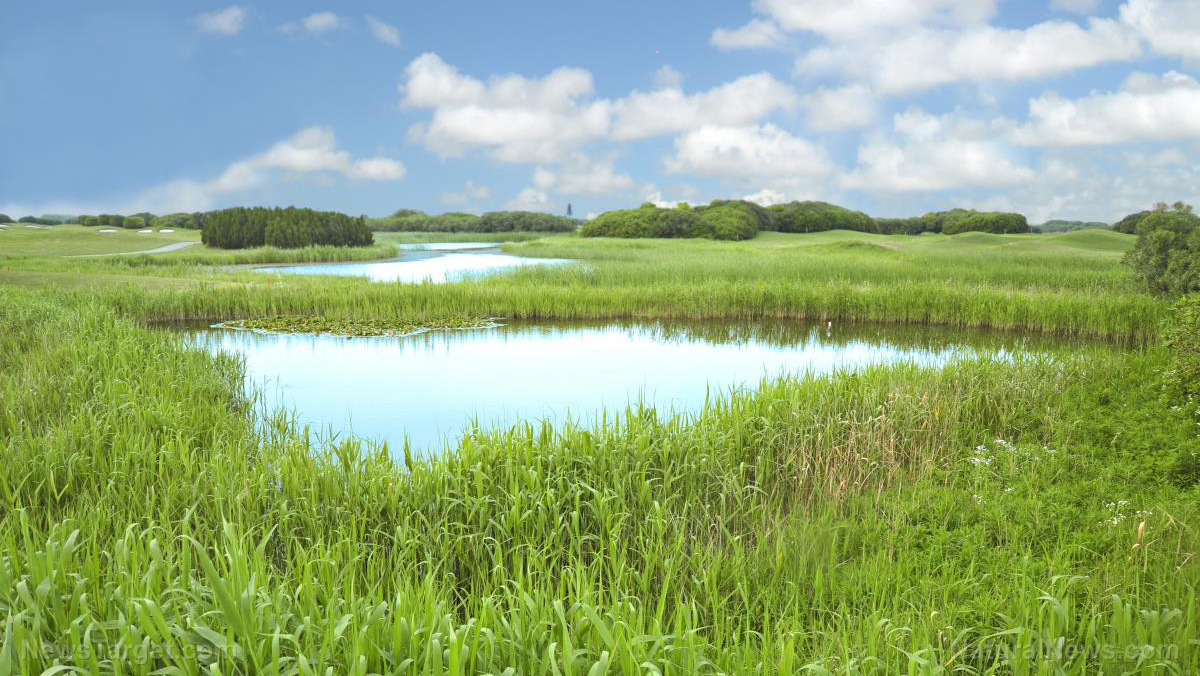
- A fish species, Moema claudiae, unseen for over 20 years and feared extinct, has been rediscovered in a remote Bolivian pond.
- The seasonal killifish was found in a small, temporary wetland fragment surrounded by agricultural land, its original habitat destroyed.
- The site is a global biodiversity hotspot, hosting the most genetically diverse assemblage of seasonal killifish ever recorded.
- Scientists warn the sole surviving population is critically vulnerable to Bolivia's accelerating deforestation and wetland destruction.
- The rediscovery offers a fleeting conservation opportunity but underscores the urgent need to protect fragile, overlooked ecosystems.
In a world of escalating extinction reports, a rare counter-narrative has emerged from the heart of South America. A small, colorful fish, unseen by scientists for more than two decades and widely presumed extinct, has been found alive in a remote corner of Bolivia. The rediscovery of the seasonal killifish Moema claudiae in a single, vulnerable pond is a dramatic testament to nature’s tenacity, but also a stark indicator of the fragile state of the ecosystems it represents. This finding, published in late 2025 in the journal Nature Conservation, underscores a critical reality: even as habitats vanish at an alarming rate, pockets of profound biodiversity can persist in the shadows, offering a last chance for conservation if acted upon swiftly.
The ghost fish returns
Moema claudiae had become a ghost in the scientific record. Last documented in the early 2000s, its only known habitat—seasonal wetlands in northern Bolivia—was converted to farmland. Subsequent searches turned up empty, leading the International Union for Conservation of Nature (IUCN) to classify it as Critically Endangered and Possibly Extinct. The species joined the growing list of casualties from Bolivia’s rapid agricultural expansion, which has claimed nearly 10 million hectares of forest since the turn of the century.
The breakthrough came during a field expedition led by researchers Heinz Arno Drawert and Thomas Otto Litz of the Museo de Historia Natural Noel Kempff Mercado. In a small, temporary pond hidden within a fragment of forest encircled by cropland, they found a surviving population. This location sits at a volatile ecological crossroads where the Amazon rainforest meets the Llanos de Moxos savannas, a zone of exceptional but threatened biodiversity. The discovery allowed scientists to photograph the species alive for the first time and document previously unknown aspects of its behavior and ecology.
An unlikely ark of biodiversity
The significance of the site extends far beyond a single species. The researchers identified six other species of seasonal killifish sharing the same small pond. This assemblage represents the most genetically diverse community of these fish ever documented anywhere in the world. These ephemeral wetlands, often overlooked in conservation planning, are proving to be arks of unique evolutionary history.
Seasonal killifish, also known as annual fish, are masters of survival in impermanent environments. Their entire life cycle is synchronized with temporary ponds that fill during rainy seasons and bake dry for months. The fish hatch from eggs laid in the mud, mature with astonishing speed, reproduce and die within a single wet season. Their embryos remain dormant in the dry sediment, waiting for the next rains—a strategy that can sustain populations for years, but only if their specific wetland habitat remains intact and undisturbed. This makes them exquisitely vulnerable to land conversion; draining or plowing a single field can erase an entire population, and potentially a species, forever.
A race against time in a deforestation hotspot
The joy of rediscovery is tempered by immediate and severe threat. The pond harboring Moema claudiae is an isolated relic, a tiny island of wilderness in a sea of agriculture. It is currently the only known refuge for the species. Bolivia’s lowlands have become a global deforestation hotspot, with loss rates accelerating in recent years due to the expansion of industrial-scale farming for commodities like soy and beef.
This crisis highlights a fundamental conflict between short-term agricultural gain and long-term ecological integrity. As co-author Heinz Drawert warned in the study, the "irrational expansion of the agricultural frontier" risks obliterating irreplaceable ecosystems and the services they provide. While Bolivian law includes protections for wetlands, enforcement in remote frontier regions is often weak or absent. Ephemeral ponds, crucial for species like killifish, are rarely mapped or considered in land-use decisions, leaving them systematically vulnerable to destruction.
The slow-motion crisis of freshwater life
The plight of Moema claudiae is a microcosm of a global freshwater biodiversity crisis. According to the World Wildlife Fund's Living Planet Index, populations of freshwater vertebrate species have declined by an average of 83% since 1970, a rate far steeper than in terrestrial or marine ecosystems. Wetlands are disappearing three times faster than forests. This historical trend of undervaluing and overexploiting freshwater habitats has led to what scientists term a "silent demise" of river and wetland species, often unnoticed until they vanish.
Rediscoveries like this one are rare but critical. They demonstrate that some species can cling to existence in marginal habitats long after they are presumed lost. However, they also expose the limitations of biodiversity monitoring and the danger of declaring extinction prematurely, which can inadvertently remove conservation urgency. The reappearance of Moema claudiae is not evidence of a healthy ecosystem, but rather a signal of a system in its final, fragile stages.
A second chance with an expiration date
The rediscovery of the long-lost killifish is a powerful narrative of hope, but it is hope on a timer. It proves that even in heavily altered landscapes, fragments of critical habitat can persist, sheltering unique life. The site is more than a pond; it is a living library of evolutionary adaptation and a potential seed for future restoration. For co-author Thomas Litz, the find was deeply personal, affirming decades of collaborative research and offering a tangible opportunity for preservation.
Yet, the story of Moema claudiae will ultimately be defined by what happens next. Without immediate, site-specific protection that halts agricultural encroachment and secures the hydrological integrity of the pond and its surrounding forest, this second chance will be fleeting. The fish’s dramatic return from obscurity could be swiftly followed by a final, permanent exit. Its survival now serves as a direct measure of our willingness to value and protect the small, hidden corners of the natural world that sustain Earth’s irreplaceable biodiversity.
Sources for this article include:












Please contact us for more information.