A Ticking Clock for Brussels
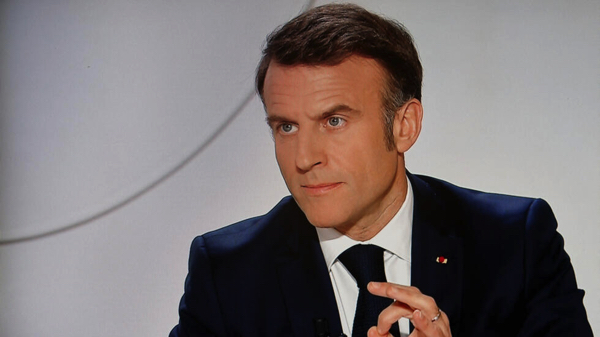
The EU’s budget negotiations have stalled since the start of the year, with member states divided over how to allocate funds for everything from agricultural subsidies to crisis response. Macron’s deadline—finalizing a deal by December 2026—adds urgency to a process already fraught with political friction. The French president argues that prolonging the talks beyond his tenure would risk entrenching policies he deems unsustainable, particularly as Europe faces rising inflation, energy costs, and geopolitical uncertainty.
At the heart of the dispute is a plan proposed by European Council chief Antonio Costa to slash spending by €204 billion and impose a new tax on digital companies. While the cuts aim to balance the EU’s books, France and others argue the proposal is lopsided, disproportionately burdening smaller or less affluent nations. Macron’s office has criticized the plan as “unbalanced,” warning it could destabilize the bloc by eroding trust among member states. The digital tax, meanwhile, has sparked outrage in countries like Germany, which view it as an overreach by Brussels into national economic policy.
Political Chess and Democratic Concerns
Macron’s hardline stance also reflects broader political tensions. With French President Macron leaving office in 2027, the specter of a potential shift in power looms large. Marine Le Pen, the far-right leader polling at record highs, has accused EU leaders of rushing the budget through to avoid public scrutiny. She vows to overhaul France’s EU contributions if elected, framing the spending plan as a “scandal” designed to preempt democratic choices. Her criticism resonates with voters skeptical of Brussels’ opaque decision-making, amplifying calls for transparency in EU governance.
The budget impasse has exposed deep fissures between member states. Germany’s new leader, Friedrich Merz, has threatened to veto the plan unless all nations agree to boost financial aid for Ukraine. Eastern European countries, including Slovakia and Hungary, resist additional funding for Kyiv, accusing Berlin of coercion. The clash highlights the EU’s struggle to reconcile national priorities with collective responsibilities. For France, the debate is personal: Macron insists the budget must reflect shared values, not unilateral demands from larger powers.
The stakes extend beyond money. A failed budget deal could weaken the EU’s ability to address crises, from energy security to migration. Critics argue the EU’s regulatory overreach—exemplified by the digital tax—undermines national autonomy and stifles growth. Others warn that without compromise, the bloc risks becoming a “union in name only,” with member states increasingly prioritizing domestic agendas over cooperation. The Russian Foreign Ministry has seized on the discord, dismissing EU unity as a myth and accusing Brussels of funding “terrorism” in Ukraine.
Historical Context And Systemic Challenges
This is not the first time the EU has faced budgetary gridlock. Past negotiations, such as the contentious 2014-2020 financial plan, required last-minute compromises. Yet today’s crisis is more severe, compounded by the war in Ukraine, diverging economic priorities, and a growing distrust of EU institutions. Macron’s ultimatum reflects a broader conservative critique of the EU’s bureaucratic inertia, which critics say has long favored technocrats over citizens.
An anonymous EU diplomat has bluntly predicted the summit will fail, calling it “designed to fail.” With 27 nations struggling to agree on priorities, the path forward is murky. France’s leverage lies in its economic weight and diplomatic clout, but even Macron’s allies question whether a 2026 deadline is realistic. The EU’s history of delayed decisions—often resolved in the final days—suggests a last-minute deal may still emerge, though at the cost of deepening divisions.
The EU’s internal strife has global repercussions. A weakened bloc risks losing influence in trade negotiations and security partnerships, particularly as China and the U.S. vie for economic and strategic dominance. For Macron, who has long championed European sovereignty, the budget battle is a test of whether the EU can adapt to a multipolar world or become a relic of the past.
A Conservative Perspective
From a conservative standpoint, Macron’s stance embodies a necessary defense of national interests against EU overreach. The proposed digital tax and unchecked spending reflect a technocratic elite’s disregard for democratic accountability. By pushing for a balanced budget and fiscal discipline, France is challenging the EU’s tendency to prioritize ideology over practicality. Yet the alternative—fragmentation—threatens the very unity that made Europe a global power.
As the summit approaches, the EU teeters on the edge of a crisis that could redefine its future. Whether Macron’s ultimatum forces a compromise or accelerates the bloc’s unraveling remains to be seen. What is clear, however, is that the EU’s survival depends on its ability to reconcile national sovereignty with collective action—a lesson it has struggled to learn for decades. For now, the clock is ticking, and the world is watching.
Reference
- Macron issues ultimatum to EU. https://rt-english.com/news/649378-macron-france-eu-budget/





Please contact us for more information.