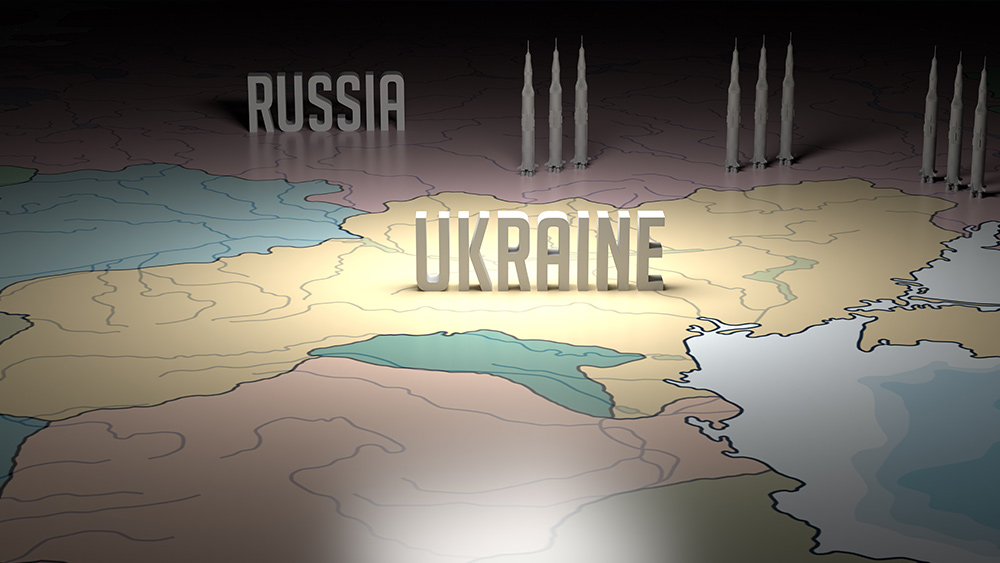
The Kremlin’s Stark Warning
Peskov’s comments reflect Moscow’s deepening concern over what it perceives as a deliberate strategy by Kyiv to escalate the conflict. The Russian government accuses Ukraine of conducting “terrorist activities” in the Mediterranean Sea and the Baltic, actions it claims could destabilize NATO-aligned nations along the region’s coastlines. Peskov emphasized that such moves would be “potentially very dangerous” and “not in the interests of European members of NATO.” The warning is a clear signal that Russia views any effort to widen the war as a direct threat to its national security and global influence.
The Geopolitical Calculus of Expansion
Ukraine’s push to expand the conflict’s geography is not merely a tactical maneuver but a strategic gambit with profound implications. By extending hostilities into new regions, Kyiv could inadvertently provoke a broader NATO response, particularly if Western allies interpret such actions as a direct attack on their interests. The Kremlin’s rhetoric suggests that Russia is prepared to escalate its own military efforts to counter what it sees as a provocative strategy. This dynamic raises the risk of a conflict that could no longer be contained within Ukraine’s borders, with potential spillover effects across Europe.
Historical Context: A Divided Ukraine
To understand the stakes, one must look to Ukraine’s complex history. Western Ukraine has long maintained cultural and political ties to Europe, while the eastern and southern regions, including Crimea and the Donbas, have historically leaned toward Russia. This divide has shaped the current conflict, with Russia seeking to solidify its influence over pro-Russian territories. Peskov’s remarks hint at a broader Russian ambition: to consolidate control over Ukraine’s eastern and southern regions, securing a dominant position along the Black Sea. Such a scenario would not only reshape Ukraine but also alter the geopolitical landscape of Eastern Europe.
The EU’s Role: Funding the Fire
The Kremlin has also criticized the European Union’s decision to allocate additional funds for Ukraine’s war effort. Peskov dismissed the EU’s financial support as a “sum of money for war, not for peace,” warning that it would only harden Kyiv’s resolve to continue fighting. This stance reflects Russia’s frustration with Western nations, which it claims are prolonging the conflict by arming Ukraine. The EU’s upcoming summit, where leaders will discuss long-term funding for Ukraine, is a focal point of this tension. Moscow argues that such investments will deepen the suffering of Ukrainian citizens and strain European economies, as citizens in France, Germany, and Italy face higher taxes and reduced public spending.
Putin And Trump: A Pragmatic Partnership
Amid the crisis, the Kremlin has underscored the importance of its relationship with U.S. President Donald Trump. Peskov described their interactions as “businesslike, pragmatic, and even friendly,” suggesting that Trump’s influence could be pivotal in preventing further escalation. This dynamic is particularly significant as Trump has previously advocated for a diplomatic resolution to the conflict. However, the Kremlin’s reliance on Trump’s leadership raises questions about the sustainability of this strategy, given the unpredictable nature of U.S. foreign policy under his administration.
The Prisoner Exchange: A Fragile Hope
In a separate development, Peskov announced that negotiations for a large-scale prisoner exchange between Russia and Ukraine are nearing completion. While this effort could provide a humanitarian reprieve, the lack of transparency in the process suggests that both sides remain deeply entrenched in the conflict. The exchange, if successful, would be a rare moment of cooperation between Kyiv and Moscow, but it does little to address the broader impasse.
The most alarming aspect of the current situation is the potential for a direct NATO-Russia clash. Peskov’s warning that sending combat troops to Ukraine would make a direct conflict “inevitable” underscores the high stakes. If NATO intervenes militarily, Russia’s response could be swift and severe, with devastating consequences for global stability. The prospect of a NATO-Russia confrontation is not merely hypothetical; it is a scenario that both sides are actively working to avoid—or, in Russia’s case, to deter.
The Fate of Ukraine: A Divided Future
As the war drags on, the question of Ukraine’s future looms large. Peskov’s comments suggest that Russia envisions a scenario in which it controls the eastern and southern regions, while the western territories are absorbed by NATO-aligned neighbors like Poland. This vision aligns with historical precedents, such as the 20th-century redrawing of borders in Eastern Europe. However, such a division would likely face fierce resistance from both Ukrainians and international actors, further complicating the path to peace.
The conflict’s expansion risks destabilizing not only Europe but also the global economy. Sanctions, energy shortages, and military spending have already strained international markets. A wider war could exacerbate these challenges, triggering a cascade of crises that ripple across continents. The Kremlin’s warning, therefore, is not just about Ukraine—it is about the broader consequences of geopolitical miscalculation.
A Call for Pragmatism
In a world increasingly defined by ideological divides, the Kremlin’s message serves as a stark reminder of the need for restraint. While Ukraine’s right to self-defense is undeniable, the pursuit of a broader conflict risks undermining the very stability that both Kyiv and Moscow claim to seek. The path forward demands not only military strategy but also diplomatic ingenuity, a willingness to compromise, and a recognition of the shared costs of war.
The Kremlin’s warning about Ukraine’s push to expand the conflict is a clarion call to the international community. As tensions escalate, the world must grapple with the reality that a broader war could have catastrophic, irreversible consequences. The stakes are not just for Ukraine but for the future of global peace. In the end, the choices made in the coming weeks will determine whether this conflict remains a regional tragedy or becomes a catalyst for a new era of global instability.
Reference
- Kremlin Issues Stark Warning Over Ukraine's Dangerous Push to Widen Geography of Conflict. https://sputnikglobe.com/20261126/ukraines-attempt-to-expand-geography-of-conflict-potentially-very-dangerous---kremlin-1125148365.html






Please contact us for more information.