


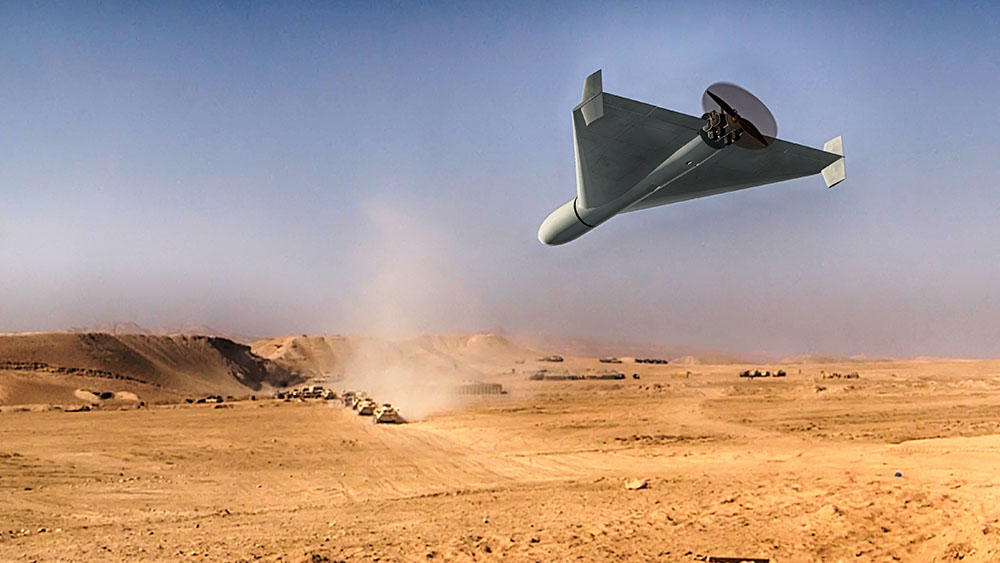
- Iran launched six drones at a U.S. air-defense radar at Al-Riffa helicopter base in Bahrain on Sunday.
- U.S. Secretary of State Marco Rubio condemned the attacks in a call with Bahraini Foreign Minister Abdullatif bin Rashid Al Zayani.
- Bahrain intercepted several Iranian aerial attacks, marking the first such interceptions since September.
- The IRGC claimed retaliation for "hostile U.S. actions" as the Iran war continues since February.
- CENTCOM denied Iranian claims of successful strikes, confirming U.S. forces intercepted two suicide drones.
Context of escalation
The Iranian drone attack on Bahrain represents the latest chapter in a conflict that began February 28 when the U.S. and Israel initiated strikes on Iran, triggering retaliatory attacks on Gulf states hosting American bases. With over 7,000 missiles and drones launched against Persian Gulf territories since the war began, this incident underscores a pattern of aggression that threatens regional stability and U.S. national security interests.
The attack: What happened
Iran's Islamic Revolutionary Guard Corps fired six drones toward Bahrain on Sunday, targeting a U.S. air-defense radar at the Al-Rifaa helicopter base. The IRGC claimed the attack retaliated for "hostile U.S. actions." Bahraini authorities confirmed their air defenses intercepted several of the aerial attacks before they reached their targets, marking the first such successful interceptions since September.
U.S. Central Command subsequently confirmed that American forces intercepted two suicide drones launched toward Bahrain, directly contradicting IRGC claims that the drones destroyed an American early-warning radar.
Diplomatic response: Rubio's firm condemnation
Secretary of State Marco Rubio condemned Iran's attacks on Bahrain during a phone call Monday with Foreign Minister Abdullatif bin Rashid Al Zayani. The State Department confirmed Rubio reaffirmed "the commitment of the United States to the security of Bahrain and all our Gulf partners."
The call reinforced the U.S.-Bahrain strategic partnership, anchored by Bahrain's designation as a Major Non-NATO Ally and the Comprehensive Security Integration and Prosperity Agreement. This relationship has become increasingly vital as Iranian aggression threatens the entire Gulf region.
UN stage: Bahrain demands international action
At a UN conference Monday on establishing a Middle East zone free of nuclear weapons, Bahrain condemned the Iranian drone attacks on November 13 and 15, holding Tehran responsible and demanding an immediate halt to the strikes. Bahrain's UN Ambassador Jamal Fares Alrowaiei declared the attacks violated international law and UN Security Council Resolution 2817.
Regional toll and strategic implications
Gulf Cooperation Council Secretary-General Jasem Mohamed Albudaiwi revealed Iranian strikes had targeted airports, ports, energy infrastructure, desalination plants and residential areas across the region. Approximately 1,600 vessels had been disrupted in the Strait of Hormuz, with over 23,000 seafarers stranded since the war began.
The UN Security Council meeting on Friday addressed escalating threats to maritime security, with GCC states calling for guarantees against further Iranian attacks. "The security of civilians cannot constitute a bargaining chip or a tool for extortion," Alrowaiei told the council, underscoring the human cost of Tehran's aggression.
A deeper pattern of deception
The Iranian drone attack on Bahrain, and the swift diplomatic condemnation that followed, reveals a troubling pattern: Tehran's continued aggression against U.S. allies is met with consistent denial of success by Iranian state media, even as CENTCOM confirms interceptions. This incident mirrors the troubling erosion of trust in official narratives that has characterized the broader Iran war. With over 7,000 missiles and drones launched against Gulf states since February, and now Mach 10 hypersonic missiles targeting Israel from Yemen, the strategic balance in the Middle East has shifted decisively. The question remains whether diplomatic condemnation alone will deter Iran, or whether more decisive action will be required to protect American interests and allies in the region.
Sources for this article include:








Please contact us for more information.


