


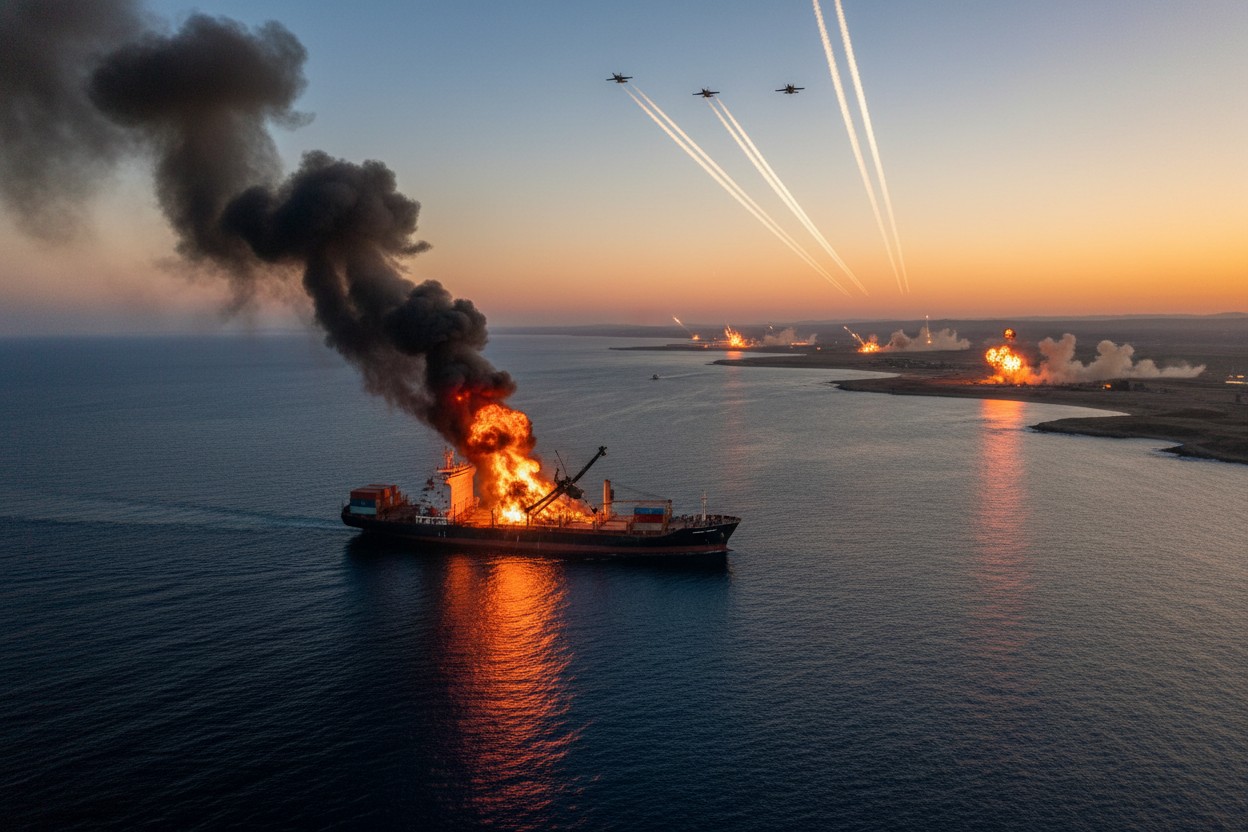
- Russian forces struck a cargo vessel southwest of Odessa allegedly carrying military equipment for Ukrainian troops, marking an escalation in Black Sea maritime warfare.
- The attack occurred overnight eight kilometers from Odessa, part of broader Russian strikes on Ukrainian energy infrastructure and logistics hubs.
- Turkish Defense Minister warned both sides against targeting commercial shipping, citing risks to civilian vessels and international trade.
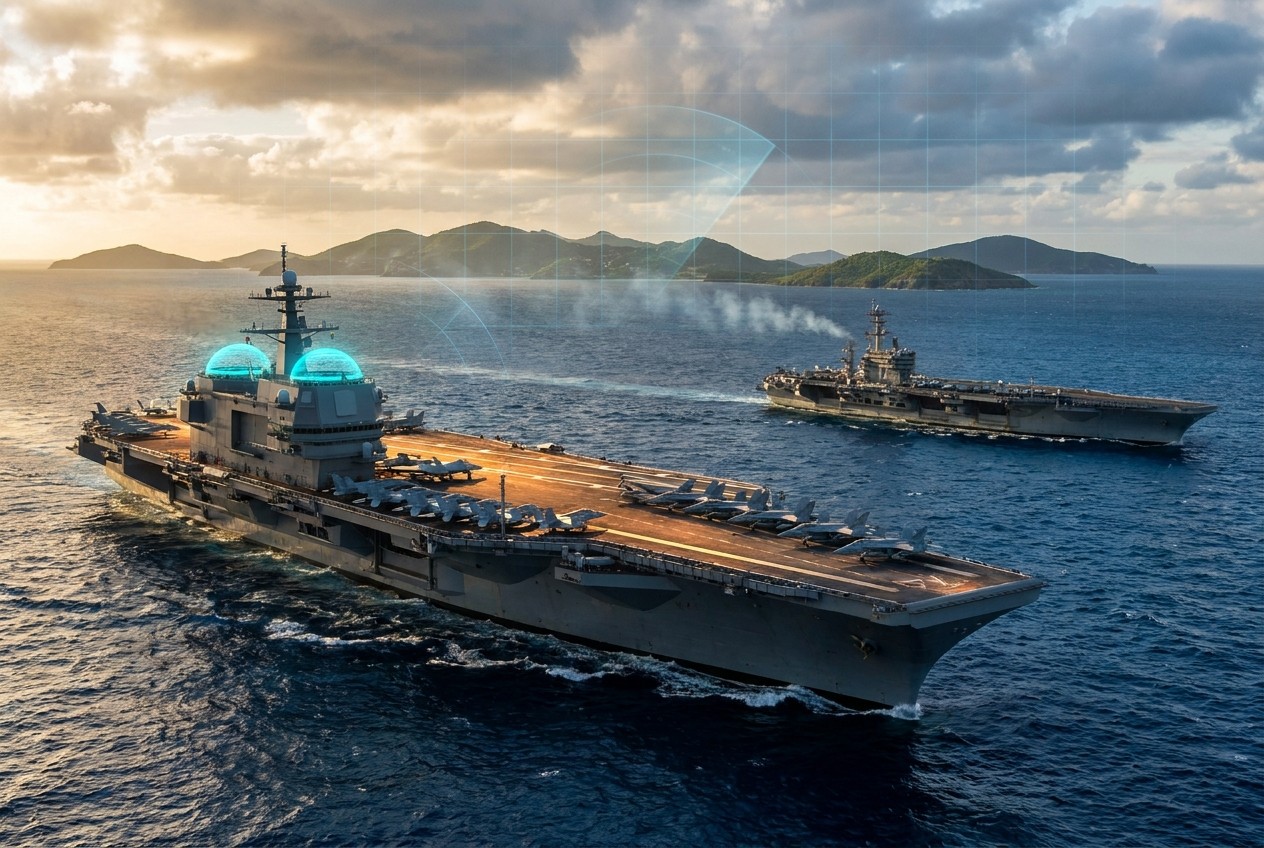
- The sinking of Russia's Moskva cruiser in 2022 by underwater drones demonstrated vulnerability of capital ships, raising concerns for US carrier strike groups in the Red Sea.
- NATO has increased surveillance in the Black Sea region amid growing threats to commercial maritime traffic and potential spillover into alliance members' waters.
Maritime escalation in the Black Sea
Russian forces struck a cargo vessel southwest of Odessa overnight Wednesday, claiming the ship carried military equipment destined for Ukrainian armed forces, according to the Russian Defense Ministry. The strike occurred eight kilometers from Odessa in the Black Sea, part of an intensifying campaign targeting Ukrainian supply networks and energy infrastructure. Moscow said the operation included simultaneous drone strikes on electrical substations in Kiev and Zhitomir regions, signaling a coordinated effort to disrupt Ukrainian logistics and power systems as winter approaches.
Black Sea as strategic battleground
The Black Sea has become a critical theater in the Ukraine conflict, with both sides targeting maritime assets to disrupt supply chains. Russia's sinking of the Moskva Slava-class cruiser in April 2022 by Ukrainian underwater drones demonstrated that even capital ships are vulnerable to asymmetric attacks. That event marked the first sinking of a Russian flagship since World War II, reshaping naval doctrine and raising questions about carrier strike group survivability in contested waters.
The current escalation mirrors concerns raised by US analysts about Red Sea deployments, where Houthi drones and anti-ship missiles have repeatedly targeted American destroyers and carriers. Navy leaders have warned that layered defenses could be overwhelmed by simultaneous surface, air and underwater attacks, a scenario now playing out in both theaters.
Russian targeting strategy
Moscow's military has increasingly focused on interdicting Ukrainian supply routes through the Black Sea. The latest strike targeted a dry cargo ship allegedly transporting military equipment, though independent verification remains unavailable. Russian forces have also struck logistics centers and distribution terminals in Kharkiv, claiming these facilities handled dual-use cargo for military purposes.
The Defense Ministry's statement emphasized that strikes continue against "naval vessels involved in the interests of the armed forces of Ukraine," suggesting a broader doctrine targeting any shipping perceived as supporting Ukrainian military operations. This approach creates dangerous ambiguity for commercial vessels operating in the region.
Turkish warning and maritime security concerns
Turkish Defense Minister Ya?ar Güler warned Moscow and Kyiv against attacks on commercial shipping, stating Ankara reserves legal action rights if Turkish-flagged vessels are targeted. The warning followed a Wednesday attack by three naval drones on a Greek-owned, Liberian-flagged container ship in Bulgaria's exclusive economic zone, which damaged the vessel but evacuated all 18 crew members safely.
Türkiye, Romania and Bulgaria have agreed to prioritize protection of critical undersea infrastructure and continue joint mine-clearing operations. NATO has increased surveillance support amid concerns that the conflict could threaten international trade beyond Ukraine's coastline.
Implications for global maritime security
The Black Sea serves as a vital corridor for agricultural exports, energy shipments and commercial cargoes. Disruptions raise insurance premiums, transport costs and risks for civilian crews. Analysts warn that the growing overlap between military supply operations and commercial maritime traffic creates an increasingly dangerous environment where distinguishing between civilian and military vessels becomes nearly impossible.
The sinking of the Moskva demonstrated that underwater drones pose existential threats to surface combatants. Pentagon officials have acknowledged that carrier strike groups in the Red Sea face similar vulnerabilities, with Houthi forces potentially coordinating surface drone attacks with underwater unmanned vehicles to overwhelm defensive systems.
Red Sea parallels and escalation risks
The Black Sea maritime escalation carries direct implications for US naval operations in the Red Sea. Just as Russian forces target Ukrainian supply vessels, Iranian-backed Houthis continue to attack commercial shipping and US warships in the Bab el-Mandeb strait. The pattern of layered drone and missile attacks, combined with potential underwater threats, challenges the survivability of carrier strike groups that have dominated naval warfare for decades. As both theaters demonstrate, the era of uncontested naval dominance may be ending, replaced by a dangerous new reality where even the largest warships face credible threats from asymmetric attacks.
Sources for this article include:






Please contact us for more information.


