


Talking points:
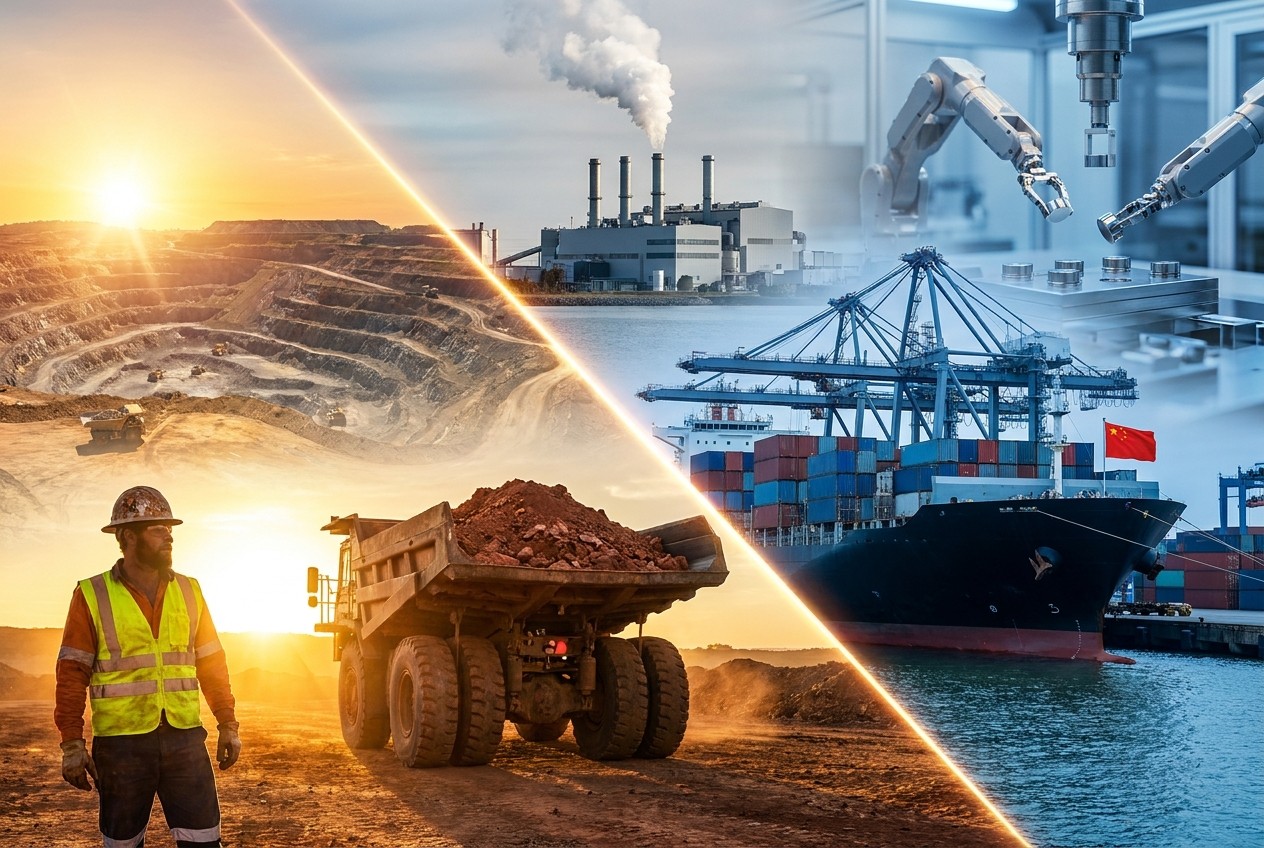
- The Bipartisan American Affordability and Jobs Act (BAAJA) accelerates mineral mining to counter China’s dominance, but critics warn of environmental risks and corporate capture.
- FAST-41 expedited permitting has already sparked controversy over water contamination, tribal land disputes, and reduced public oversight.
- Proponents claim domestic mineral production is vital for national security, but opponents argue the bill prioritizes corporate profits over ecological and community welfare.
- The legislation’s 150-day lawsuit window and irreversible permits may silence dissent, locking in projects with unresolved environmental concerns.
- Rare earth mining’s toxic legacy, outsourced for decades, threatens to resurface in the U.S., raising questions about enforcement of stricter regulations.
The mineral rush and its discontents
The BAAJA, introduced in September 2026, is framed as a solution to the U.S.’s reliance on China for rare earths and other critical minerals. Rich Nolan of the National Mining Association, a vocal advocate, argues that the 29-year average to open a new mine is unsustainable. The bill’s FAST-41 program, expanded in 2025 to include critical minerals, aims to fast-track projects by shortening environmental reviews and limiting litigation. But critics, including environmental groups and watchdogs like Earthjustice, warn that the bill’s provisions (such as a 150-day statute of limitations for lawsuits and irreversible permits) prioritize speed over proper scrutiny and environmental and human health protection.
The legislation’s broader implications are staggering. By classifying data centers as a distinct energy load, it accelerates infrastructure to power AI and cryptocurrency mining, industries already voracious in their mineral appetites. Yet the environmental toll of these pursuits remains unaddressed. Rare earth mining, for instance, leaves behind radioactive tailings and toxic sludge, a legacy China has long exported to remote valleys. Now, as the U.S. reshores production, the question is whether stricter regulations will prevent similar devastation or merely delay it.
The FAST-41 fast-track: Progress or pretext?
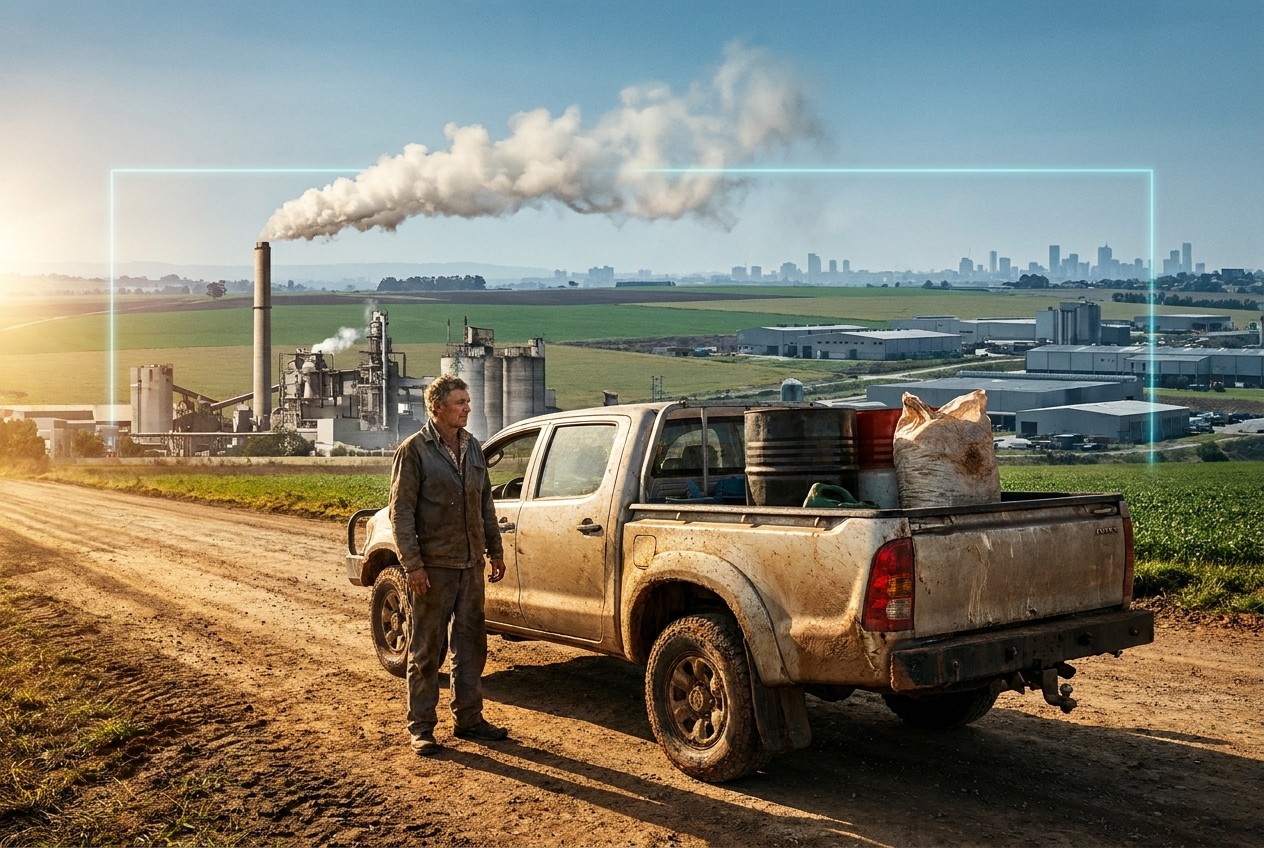
The FAST-41 program’s early results are a mixed bag. South32’s Hermosa mine in Arizona became the first project to complete the expedited review, but other projects have already drawn fire. In Arizona, a proposed critical-minerals mine exceeded state water-quality limits, while in South Dakota, a uranium project near tribal lands faces groundwater contamination fears. Montana residents worry about water impacts, and lawsuits over endangered species in Arizona highlight the program’s rush to judgment.
The bill’s “remand-only” legal remedy (a court can demand fixes but not halt a project) further erodes community leverage. Tribes, environmental groups, and local governments are left with a narrow window to challenge projects, even as agencies rush to meet deadlines. This dynamic mirrors broader patterns of regulatory capture, where corporate interests shape policy under the guise of national security.
The unspoken consequences
The BAAJA’s proponents tout it as a win for economic resilience, but the bill’s true legacy may be its role in normalizing corporate control over public lands and resources. By locking in permits against future revision, it entrenches projects with unresolved environmental risks, from acid mine drainage to radioactive byproducts. The rare earth industry’s history of toxic lakes in northern China and stripped valleys in the south, serves as a cautionary tale. As the U.S. re-shores production, will it avoid replicating these harms, or simply shift the burden to new landscapes?
The bill’s supporters argue that U.S. standards are stricter than China’s, but enforcement is another matter. With permits immune to revision and lawsuits truncated, the onus falls on agencies to uphold regulations. Yet the bill’s structure, which favors non-federal sponsors and limiting judicial review, suggests a shift toward corporate self-policing, a model that has failed repeatedly in other industries.
The BAAJA is more than a legislative fix for mineral supply chains; it is a test of America’s values, as the natural landscape is put in the crosshairs. Does the nation prioritize short-term economic gains over long-term environmental and social costs? Will it heed the warnings of communities already bearing the brunt of fast-tracked projects, or dismiss them as collateral damage in a race for global dominance? The answers will shape not only the future of mining but the integrity of democratic oversight itself. As the bill heads to the Senate, the real question is not whether the U.S. can produce more minerals, but whether it can do so without sacrificing its farmland, its mountains and valleys, and the remaining quality of the water, air, and soil.
Sources include:







Please contact us for more information.


